THE ADVENTURE COLLECTIVE® · Independent discovery and booking for outdoor travel

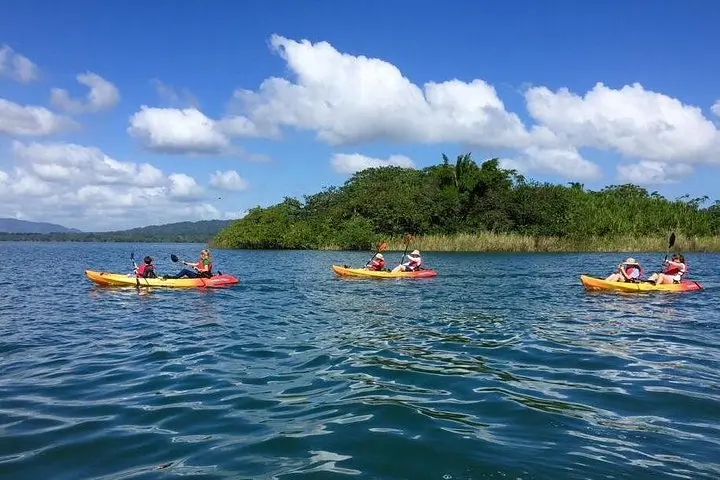
Paddle slow channels through Pacific mangroves outside Puerto Quetzal on a relaxed, guided kayak tour focused on birdwatching—ideal for travelers who want big wildlife sightings with light paddling.
Paddle slow channels through Pacific mangroves outside Puerto Quetzal on a relaxed, guided kayak tour focused on birdwatching—ideal for travelers who want big wildlife sightings with light paddling.
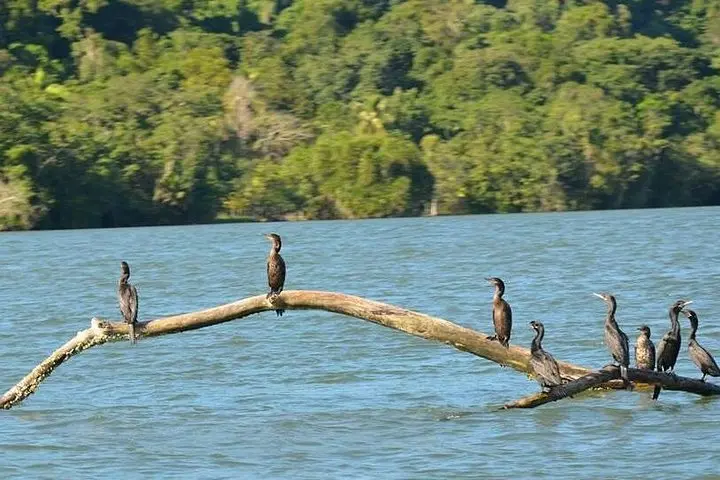
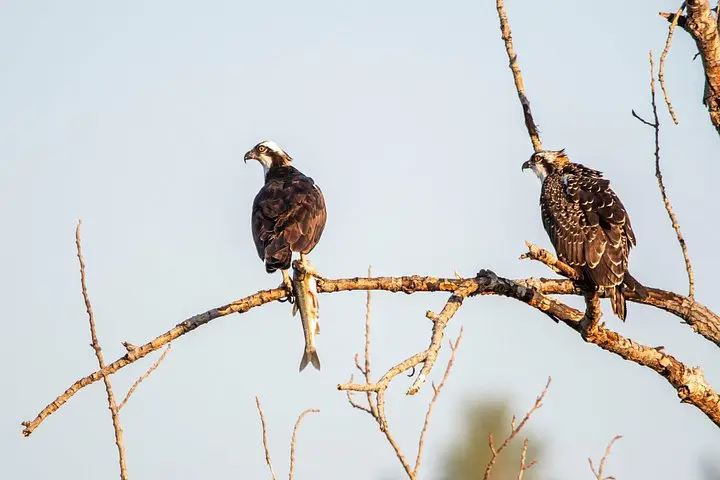
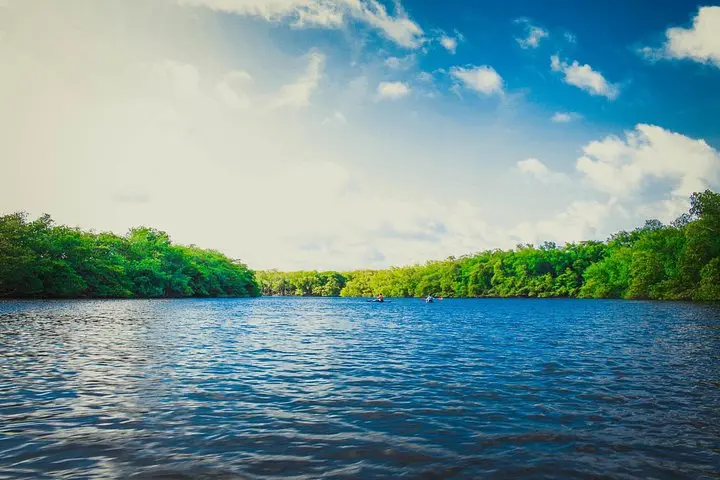
You push off into a flat, green labyrinth where water and roots trade places. Mangrove trunks cup the channels and the air smells of salt and warm mud; kingfishers flash like small blue knives while herons watch you from perches a few meters away. The paddle is patient—these are lazy tidal waterways designed for sightseeing rather than speed.
Verified experiences and guided adventures in the surrounding area.
Operated by Go With Gus LLC · Puerto Quetzal, Escuintla
You push off into a flat, green labyrinth where water and roots trade places. Mangrove trunks cup the channels and the air smells of salt and warm mud; kingfishers flash like small blue knives while herons watch you from perches a few meters away. The paddle is patient—these are lazy tidal waterways designed for sightseeing rather than speed.
The Pacific mangrove systems around Puerto Quetzal are coastal wetlands that buffer the shore, trap sediment and host an array of shorebirds and seabirds shaped by the region’s volcanic geology and Pacific currents. Local fishing communities and port activity at Puerto Quetzal have long depended on these flats; today guided eco-tours aim to balance income with protection of nursery habitats.
Expect roughly 2–4 miles (3–6 km) of gentle paddling over about three hours, with frequent stops for bird ID and short shoreline walks. The route is essentially flat—no elevation gain—but tidal timing affects channel width and access. Guides commonly point out mangrove types, shellfish beds, and nesting sites, and they'll help spot species that camouflage themselves in root tangles.
Practical notes: wear quick-dry layers, a brimmed hat and reef-safe sunscreen; bring a compact pair of binoculars and a waterproof bag for your phone or camera. Mosquito protection can make the difference at dawn or dusk. If you’re moderately fit and comfortable sitting and paddling for a few hours, this tour delivers high wildlife payoff with low technical demand—an accessible way to experience Guatemala’s Pacific wetlands.
The listed duration is about three hours total with roughly 3–6 km (2–4 miles) of easy paddling interspersed with birding stops.
Yes—channels are calm and guides provide instruction; children should be able to sit in a kayak and follow safety directions, and infants must sit on an adult’s lap.
Bring a compact telephoto lens if possible and secure gear in a waterproof bag; large setups can be awkward in sit-on-top kayaks.
The operator typically cancels for bad weather—check the specific booking terms but full refunds are often available with 24+ hours’ notice.
Go With Gus LLC operates guided outdoor trips and adventures with an emphasis on safety, stewardship, and memorable experiences.
You push off into a flat, green labyrinth where water and roots trade places. Mangrove trunks cup the channels and the air smells of salt and warm mud; kingfishers flash like small blue knives while herons watch you from perches a few meters away. The paddle is patient—these are lazy tidal waterways designed for sightseeing rather than speed.
You push off into a flat, green labyrinth where water and roots trade places. Mangrove trunks cup the channels and the air smells of salt and warm mud; kingfishers flash like small blue knives while herons watch you from perches a few meters away. The paddle is patient—these are lazy tidal waterways designed for sightseeing rather than speed.
The Pacific mangrove systems around Puerto Quetzal are coastal wetlands that buffer the shore, trap sediment and host an array of shorebirds and seabirds shaped by the region’s volcanic geology and Pacific currents. Local fishing communities and port activity at Puerto Quetzal have long depended on these flats; today guided eco-tours aim to balance income with protection of nursery habitats.
Expect roughly 2–4 miles (3–6 km) of gentle paddling over about three hours, with frequent stops for bird ID and short shoreline walks. The route is essentially flat—no elevation gain—but tidal timing affects channel width and access. Guides commonly point out mangrove types, shellfish beds, and nesting sites, and they'll help spot species that camouflage themselves in root tangles.
Practical notes: wear quick-dry layers, a brimmed hat and reef-safe sunscreen; bring a compact pair of binoculars and a waterproof bag for your phone or camera. Mosquito protection can make the difference at dawn or dusk. If you’re moderately fit and comfortable sitting and paddling for a few hours, this tour delivers high wildlife payoff with low technical demand—an accessible way to experience Guatemala’s Pacific wetlands.