THE ADVENTURE COLLECTIVE® · Independent discovery and booking for outdoor travel

A 10-day loop from Cairo’s Giza Plateau to a multi-night Nile cruise and an overnight in the White Desert—this trip pairs pharaonic monuments with sweeping desert nights. Expect guided temple visits, domestic flights, and a relaxed cruise tempo.
A 10-day loop from Cairo’s Giza Plateau to a multi-night Nile cruise and an overnight in the White Desert—this trip pairs pharaonic monuments with sweeping desert nights. Expect guided temple visits, domestic flights, and a relaxed cruise tempo.
You arrive in Cairo to the flat glare of the Nile and the distant silhouette of the Giza pyramids, the river pulling the day’s light toward the south. Over ten days you move from city streets to the slow rhythm of a felucca-swept Nile and finally to the quiet rock sculptures of the White Desert, each night folding a different chapter of Egypt around you.
Verified experiences and guided adventures in the surrounding area.
Operated by Luxor Travels · Cairo, Cairo Governorate
You arrive in Cairo to the flat glare of the Nile and the distant silhouette of the Giza pyramids, the river pulling the day’s light toward the south. Over ten days you move from city streets to the slow rhythm of a felucca-swept Nile and finally to the quiet rock sculptures of the White Desert, each night folding a different chapter of Egypt around you.
This itinerary threads the major chapters of pharaonic history — Giza’s funerary complexes, Luxor’s Karnak and the Valley of the Kings, Kom Ombo and Edfu’s Ptolemaic inscriptions — with modern engineering marks such as the Aswan High Dam. Geologically the Nile valley is a living seam between alluvial plain and Sahara plateaus; the White Desert’s chalk formations are wind-carved monuments whose white faces read like pages of recent geological time.
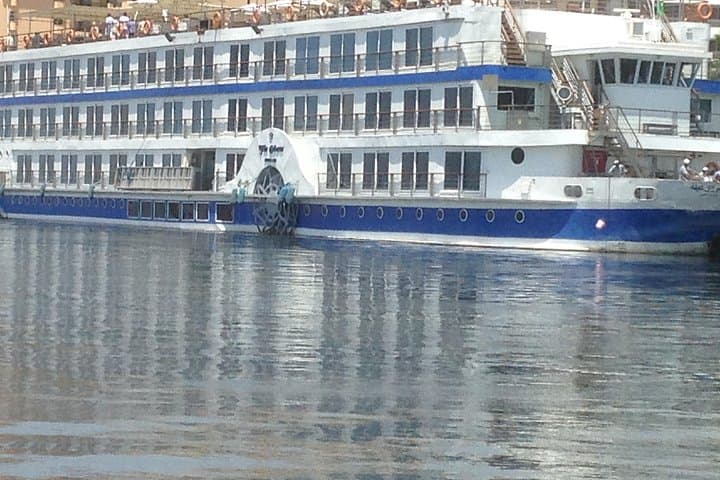
Culturally you’ll travel with an Egyptologist guide, encounter Nubian riverbank life in Aswan and the oasis cultures around Bahariya. Expect guided temple walks, a three-night, four-day Nile cruise with sundeck views, and an overnight desert camp under minimal light pollution.
Practical guidance: pack light layers and strong sun protection, bring a refillable water bottle and comfortable walking shoes for uneven stone and sandy ground. Schedule early starts at major sites to avoid heat and crowds, and carry local currency for small purchases and optional tomb fees. Respect museum and temple rules — photography and touching are restricted in many places — and plan for transfers and short domestic flights built into the itinerary.
Yes—domestic flights called for in the itinerary (e.g., Cairo–Aswan, Luxor–Cairo) are included as per the tour details.
Visiting Tutankhamun’s tomb in the Valley of the Kings is optional and often has a separate entrance fee—ask your guide for availability and timing.
Camping is basic: you’ll sleep in tents with camp bedding; expect cold desert nights and minimal lighting for stargazing.
Most travelers need an Egyptian visa and a passport copy at booking; verify visa requirements for your nationality before travel.
Luxor Travels operates guided outdoor trips and adventures with an emphasis on safety, stewardship, and memorable experiences.
You arrive in Cairo to the flat glare of the Nile and the distant silhouette of the Giza pyramids, the river pulling the day’s light toward the south. Over ten days you move from city streets to the slow rhythm of a felucca-swept Nile and finally to the quiet rock sculptures of the White Desert, each night folding a different chapter of Egypt around you.
You arrive in Cairo to the flat glare of the Nile and the distant silhouette of the Giza pyramids, the river pulling the day’s light toward the south. Over ten days you move from city streets to the slow rhythm of a felucca-swept Nile and finally to the quiet rock sculptures of the White Desert, each night folding a different chapter of Egypt around you.
This itinerary threads the major chapters of pharaonic history — Giza’s funerary complexes, Luxor’s Karnak and the Valley of the Kings, Kom Ombo and Edfu’s Ptolemaic inscriptions — with modern engineering marks such as the Aswan High Dam. Geologically the Nile valley is a living seam between alluvial plain and Sahara plateaus; the White Desert’s chalk formations are wind-carved monuments whose white faces read like pages of recent geological time.
Culturally you’ll travel with an Egyptologist guide, encounter Nubian riverbank life in Aswan and the oasis cultures around Bahariya. Expect guided temple walks, a three-night, four-day Nile cruise with sundeck views, and an overnight desert camp under minimal light pollution.
Practical guidance: pack light layers and strong sun protection, bring a refillable water bottle and comfortable walking shoes for uneven stone and sandy ground. Schedule early starts at major sites to avoid heat and crowds, and carry local currency for small purchases and optional tomb fees. Respect museum and temple rules — photography and touching are restricted in many places — and plan for transfers and short domestic flights built into the itinerary.