THE ADVENTURE COLLECTIVE® · Independent discovery and booking for outdoor travel

Eleven days that stitch Aswan, Luxor, Cairo and the Red Sea into a single, first-class loop—Nile cruising, a Luxor balloon sunrise, Abu Simbel, Giza and world-class snorkeling at Ras Muhammad. This itinerary mixes archaeology, desert action and marine reef time with included transport and guided entry fees.
Eleven days that stitch Aswan, Luxor, Cairo and the Red Sea into a single, first-class loop—Nile cruising, a Luxor balloon sunrise, Abu Simbel, Giza and world-class snorkeling at Ras Muhammad. This itinerary mixes archaeology, desert action and marine reef time with included transport and guided entry fees.
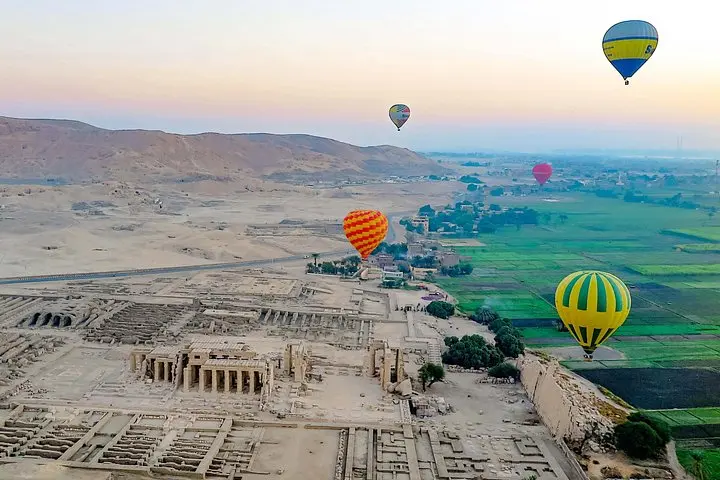
Morning light slices across the Nile as a felucca tugs at its moorings in Aswan and the desert leans in—dry air that smells faintly of stone and river algae. You board a five-star cruise, and for the next eleven days the river, the sea and the cities will set the tempo: granite quarries at Aswan, colossal rock-cut facades at Abu Simbel, and hot-air balloons sniffing the archaeological plains above Luxor.
Verified experiences and guided adventures in the surrounding area.
Operated by CharlieTheTraveler · Aswan, Aswan Governorate
Morning light slices across the Nile as a felucca tugs at its moorings in Aswan and the desert leans in—dry air that smells faintly of stone and river algae. You board a five-star cruise, and for the next eleven days the river, the sea and the cities will set the tempo: granite quarries at Aswan, colossal rock-cut facades at Abu Simbel, and hot-air balloons sniffing the archaeological plains above Luxor.
This route follows millennia of Egyptian civilization. The High Dam reshaped the modern Nile and saved villages from seasonal floods; Philae was dismantled and moved stone-by-stone to escape Lake Nasser’s rise. Geologically, the Nile corridor slices through Precambrian granite in the south and softer limestone toward Giza, which is why ancient builders favored different methods and sites along the river. Culturally, expect Nubian melodies in Aswan, chaotic souk bargaining in Cairo, and Bedouin hospitality in the Sinai deserts.
Practical guidance: heat matters—start early for site visits, keep to shaded hours midday and carry at least 2–3 liters of water daily. Bring sturdy shoes for uneven temple floors and narrow tomb steps; some tombs and the hot-air balloon have age or health limits. Currency is primarily cash (Egyptian pounds) at markets, though larger hotels take cards. Snorkeling and Ras Muhammad require reef-safe sunscreen and a basic comfort with open-water conditions.
Logistics are intensive but curated: internal transfers, guided temple entries and several meals are included; verify exact flights and any optional upgrades with the operator before booking. This is a high-density cultural and active-relaxation itinerary—expect long days, iconic views and a steady rhythm set by the river itself.
The itinerary includes private land and water transportation and the described domestic flights; confirm the operator’s final itinerary for which specific flights are covered.
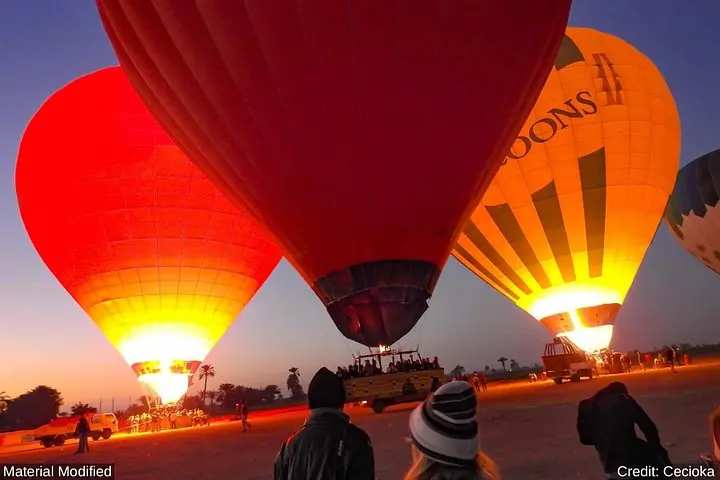
Children under 6 are not permitted on the balloon; operators often set weight/age limits and may refuse passengers with cardiovascular issues.
Many breakfasts, lunches and dinners are included across the cruise and tours—check the booking details for the precise meal count on specific days.
Access to tomb interiors and certain sites like Nefertari can be restricted for conservation or restoration; plan for substitutions and check update prior to travel.
CharlieTheTraveler operates guided outdoor trips and adventures with an emphasis on safety, stewardship, and memorable experiences.
Morning light slices across the Nile as a felucca tugs at its moorings in Aswan and the desert leans in—dry air that smells faintly of stone and river algae. You board a five-star cruise, and for the next eleven days the river, the sea and the cities will set the tempo: granite quarries at Aswan, colossal rock-cut facades at Abu Simbel, and hot-air balloons sniffing the archaeological plains above Luxor.
Morning light slices across the Nile as a felucca tugs at its moorings in Aswan and the desert leans in—dry air that smells faintly of stone and river algae. You board a five-star cruise, and for the next eleven days the river, the sea and the cities will set the tempo: granite quarries at Aswan, colossal rock-cut facades at Abu Simbel, and hot-air balloons sniffing the archaeological plains above Luxor.
This route follows millennia of Egyptian civilization. The High Dam reshaped the modern Nile and saved villages from seasonal floods; Philae was dismantled and moved stone-by-stone to escape Lake Nasser’s rise. Geologically, the Nile corridor slices through Precambrian granite in the south and softer limestone toward Giza, which is why ancient builders favored different methods and sites along the river. Culturally, expect Nubian melodies in Aswan, chaotic souk bargaining in Cairo, and Bedouin hospitality in the Sinai deserts.
Practical guidance: heat matters—start early for site visits, keep to shaded hours midday and carry at least 2–3 liters of water daily. Bring sturdy shoes for uneven temple floors and narrow tomb steps; some tombs and the hot-air balloon have age or health limits. Currency is primarily cash (Egyptian pounds) at markets, though larger hotels take cards. Snorkeling and Ras Muhammad require reef-safe sunscreen and a basic comfort with open-water conditions.
Logistics are intensive but curated: internal transfers, guided temple entries and several meals are included; verify exact flights and any optional upgrades with the operator before booking. This is a high-density cultural and active-relaxation itinerary—expect long days, iconic views and a steady rhythm set by the river itself.