THE ADVENTURE COLLECTIVE® · Independent discovery and booking for outdoor travel

An eight-day itinerary that pairs Cairo’s ancient monuments with a three-night Nile cruise between Luxor and Aswan, a hot-air balloon over Luxor, and an early-morning visit to Abu Simbel. Expect early starts, comfortable river travel, and concentrated time at major archaeological sites.
An eight-day itinerary that pairs Cairo’s ancient monuments with a three-night Nile cruise between Luxor and Aswan, a hot-air balloon over Luxor, and an early-morning visit to Abu Simbel. Expect early starts, comfortable river travel, and concentrated time at major archaeological sites.
You step out of Cairo International and the air already feels like a promise—dry, warm, and dust-sifted. Within hours the city’s pulse gives way to the steady current of the Nile as a three-night cruise eases south from Luxor to Aswan, the river pushing you through millennia of carved stone and village life.
Verified experiences and guided adventures in the surrounding area.
Operated by Charming Egypt Tours · Cairo, Cairo Governorate
You step out of Cairo International and the air already feels like a promise—dry, warm, and dust-sifted. Within hours the city’s pulse gives way to the steady current of the Nile as a three-night cruise eases south from Luxor to Aswan, the river pushing you through millennia of carved stone and village life.
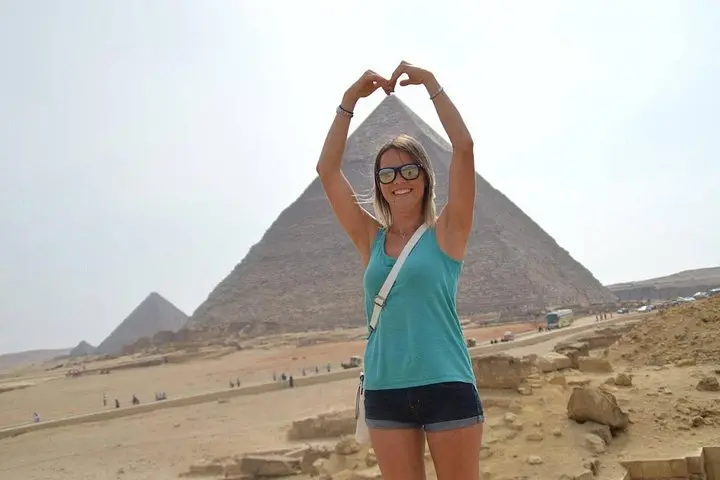
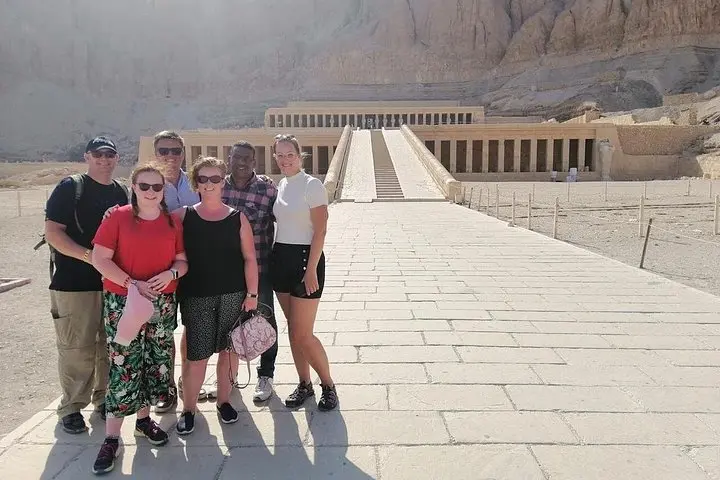
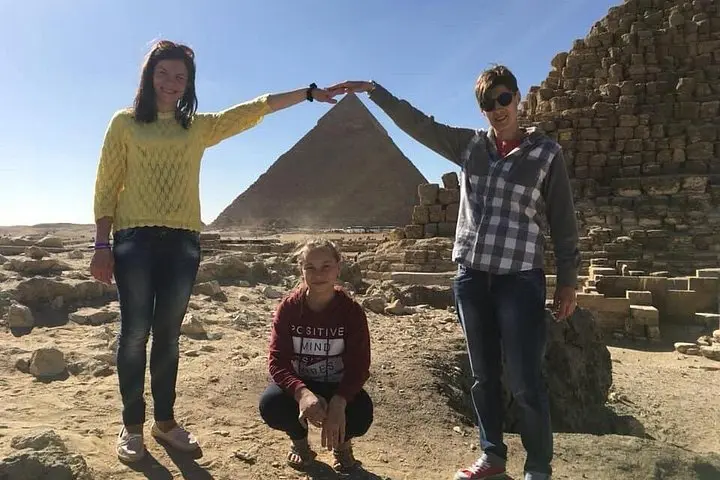
This eight-day loop threads the best of Pharaonic Egypt: Giza’s pyramids and the Sphinx, Karnak’s avenue of columns, the Valley of the Kings’ painted tombs, and the relocated colossi of Abu Simbel—about 280 km downstream of Aswan—where Ramses II still stares toward the sun. Geologically the Nile carved a corridor through desert sandstone, creating fertile banks that sustained ancient civilization; culturally, temples served both ritual and political power, their reliefs narrating gods and kings.
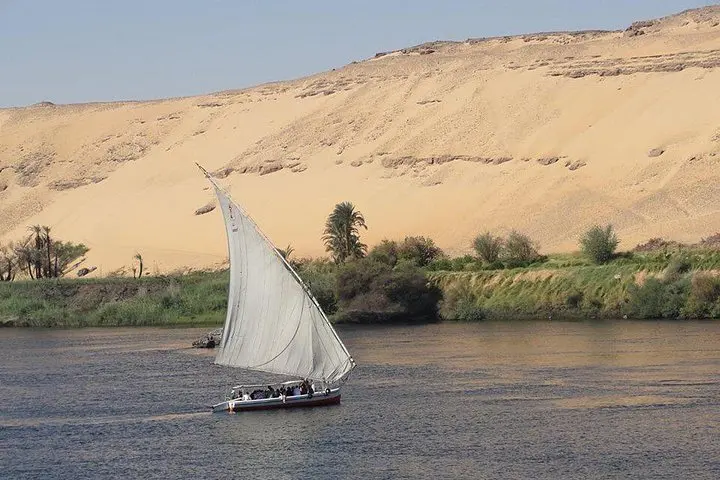
Expect early starts—hot-air balloons lift at first light over Luxor’s West Bank—and long, gentle travel days by train and boat. The cruise is low-elevation and mostly flat; walking surfaces at sites range from hard-packed sand to uneven stone steps. Local life is direct: tea on the sun deck, feluccas angling along the shore, market calls in Arabic.
Practical guidance: pack sun protection and light layers, carry cash for tips and small purchases, and allow time for airport transfers and security. For Abu Simbel and the balloon, book the early slots and be ready for pre-dawn departures. Respect signage at archaeological sites—photography rules and no-touch policies protect fragile paint and stone.
This itinerary balances leisurely river time with concentrated exploration—perfect for travelers who want history, easy mobility, and a dash of high-altitude perspective from the balloon basket.
Many nationalities require a visa to enter Egypt—check your embassy or the official e-visa portal well before travel and have printed or digital confirmation.
Operators follow standard safety procedures and briefings; choose a licensed company and disclose any mobility or health issues before booking.
The cruise typically runs three nights between Luxor and Aswan, with stops at Edfu, Kom Ombo and sightseeing from the boat.
Yes—Abu Simbel is typically visited as an early-morning excursion from Aswan, about 280 km by road, requiring a very early departure or a short domestic flight option.
Charming Egypt Tours operates guided outdoor trips and adventures with an emphasis on safety, stewardship, and memorable experiences.
You step out of Cairo International and the air already feels like a promise—dry, warm, and dust-sifted. Within hours the city’s pulse gives way to the steady current of the Nile as a three-night cruise eases south from Luxor to Aswan, the river pushing you through millennia of carved stone and village life.
You step out of Cairo International and the air already feels like a promise—dry, warm, and dust-sifted. Within hours the city’s pulse gives way to the steady current of the Nile as a three-night cruise eases south from Luxor to Aswan, the river pushing you through millennia of carved stone and village life.
This eight-day loop threads the best of Pharaonic Egypt: Giza’s pyramids and the Sphinx, Karnak’s avenue of columns, the Valley of the Kings’ painted tombs, and the relocated colossi of Abu Simbel—about 280 km downstream of Aswan—where Ramses II still stares toward the sun. Geologically the Nile carved a corridor through desert sandstone, creating fertile banks that sustained ancient civilization; culturally, temples served both ritual and political power, their reliefs narrating gods and kings.
Expect early starts—hot-air balloons lift at first light over Luxor’s West Bank—and long, gentle travel days by train and boat. The cruise is low-elevation and mostly flat; walking surfaces at sites range from hard-packed sand to uneven stone steps. Local life is direct: tea on the sun deck, feluccas angling along the shore, market calls in Arabic.
Practical guidance: pack sun protection and light layers, carry cash for tips and small purchases, and allow time for airport transfers and security. For Abu Simbel and the balloon, book the early slots and be ready for pre-dawn departures. Respect signage at archaeological sites—photography rules and no-touch policies protect fragile paint and stone.
This itinerary balances leisurely river time with concentrated exploration—perfect for travelers who want history, easy mobility, and a dash of high-altitude perspective from the balloon basket.