THE ADVENTURE COLLECTIVE® · Independent discovery and booking for outdoor travel

An eight-day archaeological overland from Cairo to Abu Simbel that pairs first-class sleeper trains with temple tours in Luxor, Aswan and Edfu. Expect long site visits, desert drives and UNESCO-savvy conservation stories.
An eight-day archaeological overland from Cairo to Abu Simbel that pairs first-class sleeper trains with temple tours in Luxor, Aswan and Edfu. Expect long site visits, desert drives and UNESCO-savvy conservation stories.
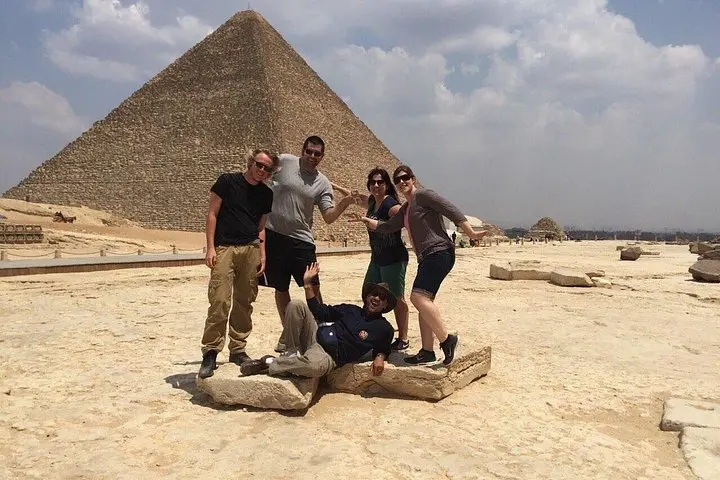
You step out onto the limestone apron of Giza and the desert wind pushes at your jacket like an impatient guide; the Great Pyramid looms, silent and square, while the Sphinx watches the road that led kings and traders here for millennia.
Verified experiences and guided adventures in the surrounding area.
Operated by Travabia Travel · Cairo, Cairo Governorate
You step out onto the limestone apron of Giza and the desert wind pushes at your jacket like an impatient guide; the Great Pyramid looms, silent and square, while the Sphinx watches the road that led kings and traders here for millennia.
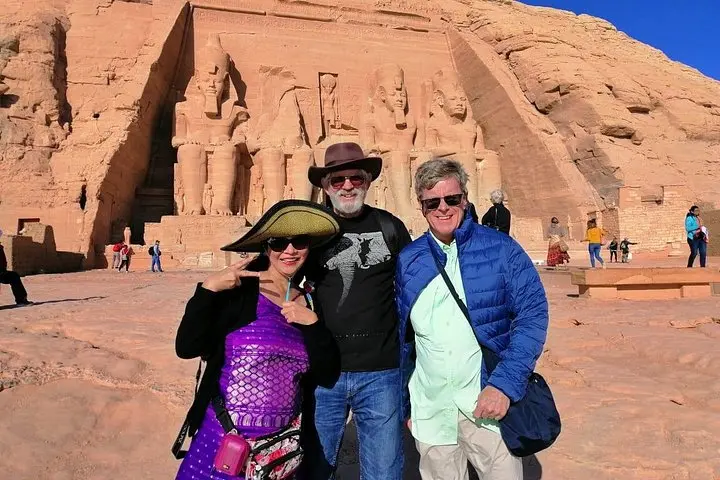
This eight-day overland route moves from Cairo’s crowded streets and the Egyptian Museum through the layered history of Saqqara, then rides the Nile corridor south by first-class sleeper train to Luxor, Edfu, Kom Ombo and Aswan, finishing with the engineered miracle of Abu Simbel—relocated stone by stone in the 1960s to escape the High Dam’s rising waters. Geology here is simple and stark: Paleozoic limestone and Nile silt carve cliffs and terraces, while the river’s annual pulse shaped settlement and temple placement for thousands of years.
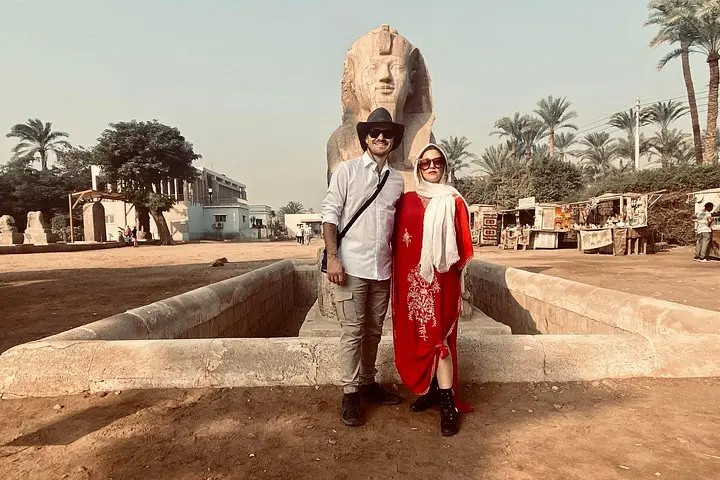
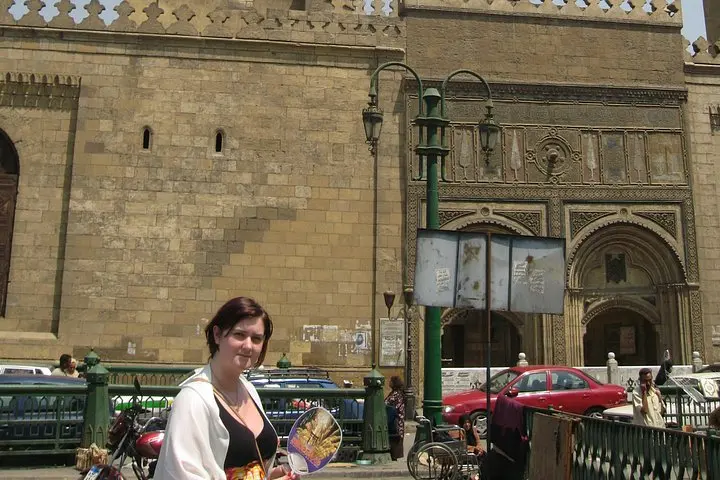
Culturally the trip centers on Egyptology — pharaonic temple-building, funerary architecture in the Valley of the Kings, and Ptolemaic temples like Edfu and Kom Ombo that survived under desert sand. Local life threads through: street bazaars in Cairo, Nubian markets in Aswan and riverside feluccas marking the Nile’s slow current.
Practical guidance: expect multiple short walks on uneven stone surfaces (plan for 30–90 minute site tours), a 3-hour drive to Abu Simbel, and overnight sleeper-train segments. Bring sunscreen, a sturdy pair of shoes, and a refillable water bottle; mornings and evenings are the best photo windows. Allow time for slower-paced exploration—temples reward patience more than speed.
Most nationalities require a visa for Egypt; check current embassy rules and obtain a visa on arrival or e-visa before travel depending on your passport.
Days involve walking at archaeological sites (30–120 minutes per site) and short boardings; overall physical demand is moderate and suitable for most travelers who can walk unassisted.
First-class sleeper trains include a reclining berth, shared or private facilities depending on booking, dinner and breakfast onboard; expect basic but functional accommodations.
Tipping is customary for guides, drivers and service staff — budget small tips per service and carry local currency in small denominations.
Travabia Travel operates guided outdoor trips and adventures with an emphasis on safety, stewardship, and memorable experiences.
You step out onto the limestone apron of Giza and the desert wind pushes at your jacket like an impatient guide; the Great Pyramid looms, silent and square, while the Sphinx watches the road that led kings and traders here for millennia.
You step out onto the limestone apron of Giza and the desert wind pushes at your jacket like an impatient guide; the Great Pyramid looms, silent and square, while the Sphinx watches the road that led kings and traders here for millennia.
This eight-day overland route moves from Cairo’s crowded streets and the Egyptian Museum through the layered history of Saqqara, then rides the Nile corridor south by first-class sleeper train to Luxor, Edfu, Kom Ombo and Aswan, finishing with the engineered miracle of Abu Simbel—relocated stone by stone in the 1960s to escape the High Dam’s rising waters. Geology here is simple and stark: Paleozoic limestone and Nile silt carve cliffs and terraces, while the river’s annual pulse shaped settlement and temple placement for thousands of years.
Culturally the trip centers on Egyptology — pharaonic temple-building, funerary architecture in the Valley of the Kings, and Ptolemaic temples like Edfu and Kom Ombo that survived under desert sand. Local life threads through: street bazaars in Cairo, Nubian markets in Aswan and riverside feluccas marking the Nile’s slow current.
Practical guidance: expect multiple short walks on uneven stone surfaces (plan for 30–90 minute site tours), a 3-hour drive to Abu Simbel, and overnight sleeper-train segments. Bring sunscreen, a sturdy pair of shoes, and a refillable water bottle; mornings and evenings are the best photo windows. Allow time for slower-paced exploration—temples reward patience more than speed.