THE ADVENTURE COLLECTIVE® · Independent discovery and booking for outdoor travel

Ascend the Eiffel Tower by stairs with a guide and see Paris from the second floor—an intimate, active alternative to the elevator. Expect narrow iron steps, historical insights, and sweeping views across the Seine.
Ascend the Eiffel Tower by stairs with a guide and see Paris from the second floor—an intimate, active alternative to the elevator. Expect narrow iron steps, historical insights, and sweeping views across the Seine.
You step beneath the iron lattice as the Seine quietly watches, the city’s geometry folding upward into a steel skyline. The guides marshal the group, and the first steps set a brisk rhythm: narrow treads, handrails warming beneath your palm, Paris unfolding through cutouts in the structure as you gain height.
Verified experiences and guided adventures in the surrounding area.
Operated by Cleva Getaways · Paris, Île-de-France
You step beneath the iron lattice as the Seine quietly watches, the city’s geometry folding upward into a steel skyline. The guides marshal the group, and the first steps set a brisk rhythm: narrow treads, handrails warming beneath your palm, Paris unfolding through cutouts in the structure as you gain height.
The Eiffel Tower began as a bold 1889 Exposition structure by Gustave Eiffel and has since shifted from exhibition piece to enduring urban landmark. Its wrought iron lattice is more engineered sculpture than natural geology—an industrial icon that redefined Paris’s skyline. Climbing gives a different kind of intimacy than the elevators: you study rivets, angles, and the mechanics of a monument that still receives constant conservation and maintenance.
Culturally, the tower anchors the Champ de Mars and the surrounding arrondissements; cafés spill onto streets below and local rhythms—bike couriers, river boats—frame the ascent. On this guided tour you typically climb to the second floor (about 674 steps), where broad panoramas show the Seine daring you to trace its route through the city.
Practical guidance: arrive 20 minutes early, wear stable shoes and layer for wind at height, and expect moderate exertion—stairs are steady but unrelenting. Bring a small water bottle and a charged phone (battery packs are useful). The guides provide historical context and handle tickets; the tour suits travelers with reasonable cardiovascular fitness but is not recommended for those with serious back or heart issues. Time your visit for early morning or late afternoon to avoid the highest crowds and to catch the light across Parisian rooftops.
This guided climbing tour typically takes you up to the second floor, approximately 674 steps; the top is higher and usually accessed by elevator only.
No—this tour involves sustained stair climbing and is not recommended for those with significant mobility, back, or heart conditions.
Yes, the tour includes entrance tickets and a guided experience; follow arrival instructions to collect physical or mobile tickets.
This specific tour is conducted in English; check availability for other language options when booking.
Cleva Getaways operates guided outdoor trips and adventures with an emphasis on safety, stewardship, and memorable experiences.
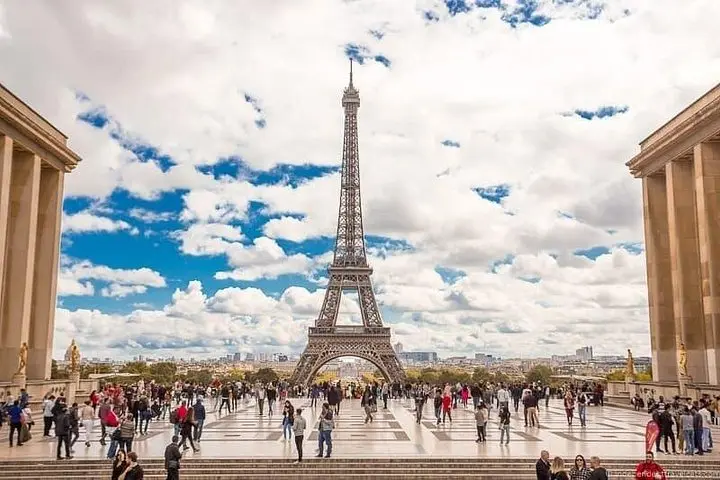
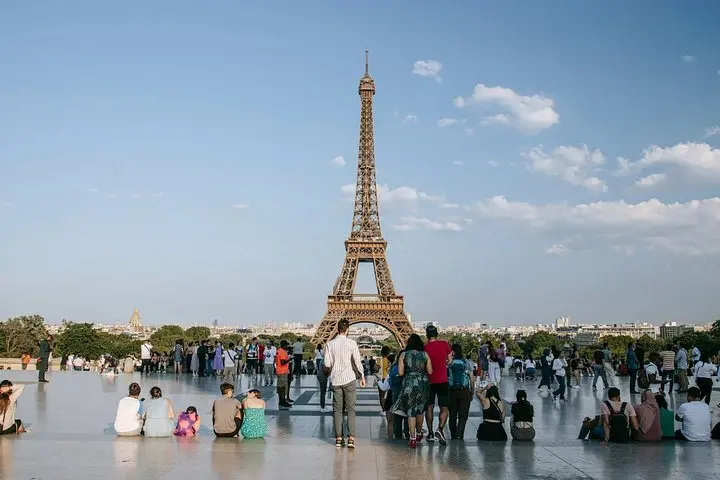
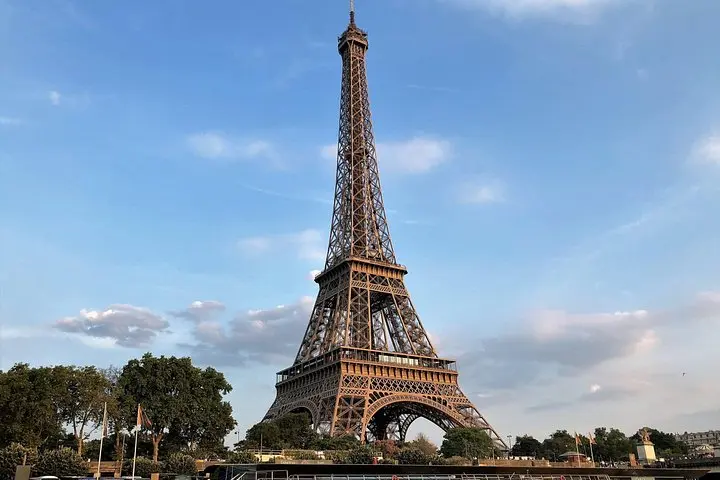
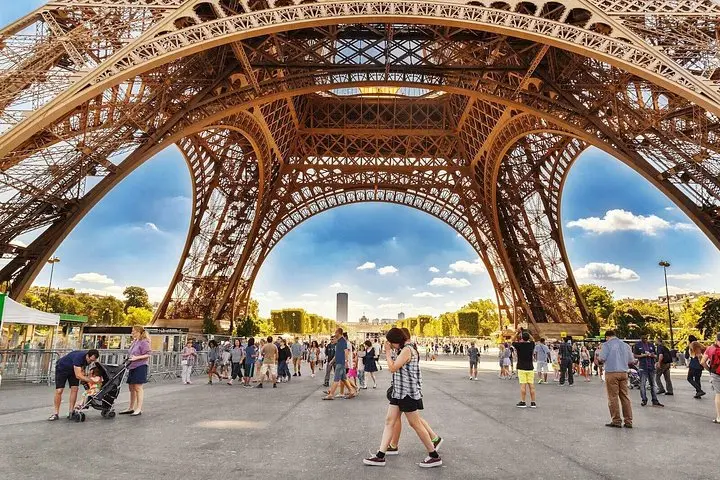
You step beneath the iron lattice as the Seine quietly watches, the city’s geometry folding upward into a steel skyline. The guides marshal the group, and the first steps set a brisk rhythm: narrow treads, handrails warming beneath your palm, Paris unfolding through cutouts in the structure as you gain height.
You step beneath the iron lattice as the Seine quietly watches, the city’s geometry folding upward into a steel skyline. The guides marshal the group, and the first steps set a brisk rhythm: narrow treads, handrails warming beneath your palm, Paris unfolding through cutouts in the structure as you gain height.
The Eiffel Tower began as a bold 1889 Exposition structure by Gustave Eiffel and has since shifted from exhibition piece to enduring urban landmark. Its wrought iron lattice is more engineered sculpture than natural geology—an industrial icon that redefined Paris’s skyline. Climbing gives a different kind of intimacy than the elevators: you study rivets, angles, and the mechanics of a monument that still receives constant conservation and maintenance.
Culturally, the tower anchors the Champ de Mars and the surrounding arrondissements; cafés spill onto streets below and local rhythms—bike couriers, river boats—frame the ascent. On this guided tour you typically climb to the second floor (about 674 steps), where broad panoramas show the Seine daring you to trace its route through the city.
Practical guidance: arrive 20 minutes early, wear stable shoes and layer for wind at height, and expect moderate exertion—stairs are steady but unrelenting. Bring a small water bottle and a charged phone (battery packs are useful). The guides provide historical context and handle tickets; the tour suits travelers with reasonable cardiovascular fitness but is not recommended for those with serious back or heart issues. Time your visit for early morning or late afternoon to avoid the highest crowds and to catch the light across Parisian rooftops.