THE ADVENTURE COLLECTIVE® · Independent discovery and booking for outdoor travel

An eight-day loop through Jordan that pairs iconic archaeology with desert nights and Dead Sea buoyancy. Expect Petra’s carved rose stone, a 4x4 sweep across Wadi Rum, and guided cultural encounters from Amman to Jerash.
An eight-day loop through Jordan that pairs iconic archaeology with desert nights and Dead Sea buoyancy. Expect Petra’s carved rose stone, a 4x4 sweep across Wadi Rum, and guided cultural encounters from Amman to Jerash.
On the first morning in Amman the city feels like a slow exhale — limestone houses catching the pale light, vendors arranging spices, and a guide waiting with a minibussized promise of motion. Over eight days this circuit stitches the kingdom together: Roman streets in Jerash, Byzantine mosaics in Madaba, the carved facades of Petra, the iron-red solitude of Wadi Rum, and the salty, buoyant calm of the Dead Sea. It moves at a steady pace, equal parts archaeology, desert, and local encounter.
Verified experiences and guided adventures in the surrounding area.
Operated by Enjoy Jordan - Day Tours · Amman, Amman Governorate
On the first morning in Amman the city feels like a slow exhale — limestone houses catching the pale light, vendors arranging spices, and a guide waiting with a minibussized promise of motion. Over eight days this circuit stitches the kingdom together: Roman streets in Jerash, Byzantine mosaics in Madaba, the carved facades of Petra, the iron-red solitude of Wadi Rum, and the salty, buoyant calm of the Dead Sea. It moves at a steady pace, equal parts archaeology, desert, and local encounter.
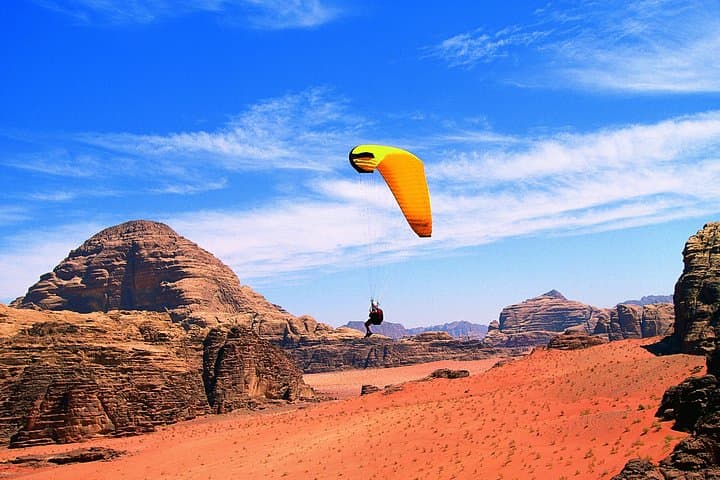
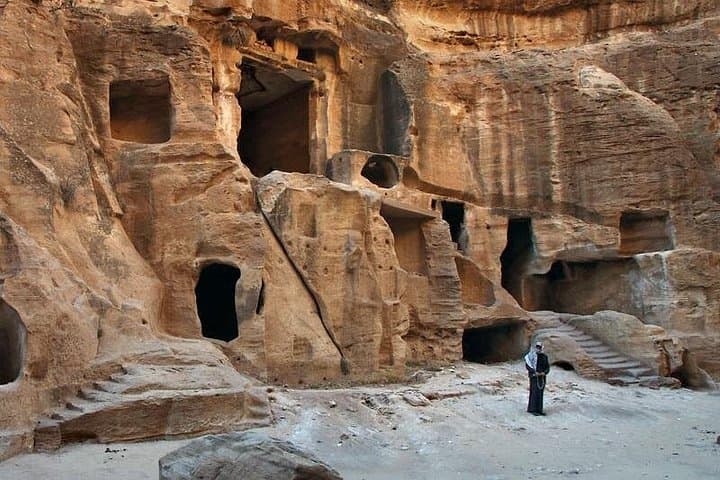
The route follows ancient arteries. The King’s Highway, now a two-lane ribbon, traces Roman and Nabatean trade paths; Petra itself is both engineering feat and the product of soft sandstone that wind and flash floods carved into facades and narrow siqs. Madaba preserves Byzantine mosaic maps that once guided pilgrims; Kerak and the Desert Castles are traces of Crusader and Umayyad strategies to control trade and water. Wadi Rum’s volcanic and sandstone forms read like a geological diary — layers folded, split, and polished by wind — and the landscape makes clear why TE Lawrence found it cinematic.
Culturally the trip balances monuments with people. Meals are an education in Jordanian hospitality: mezze, mansaf, and bedouin tea taken in camps where stories are swapped around low tables and under a sky so large it feels like a terrain feature. Guides fluent in French and Arabic add context — not just dates and facts, but how modern Jordanian identity connects to Ottoman, Arab, and Bedouin traditions.
Practical guidance: pack light but with layers — desert days scorch and nights cool. Expect moderate walking: cobbled Roman streets, steps in Petra, and brief hikes at viewpoints; the tour is labeled easy-to-moderate and includes vehicle transfers and a 4x4 ride in Wadi Rum. Hotels are a mix of mid-range options and a night in a Bedouin tent; plan for early starts and several checkpoints where entry fees are handled for you.
Health and timing: stay hydrated in the Dead Sea region where low elevation and sun intensity demand sun protection and frequent water. If you want quieter visits, ask to shift Petra and Wadi Rum visits to early morning or late afternoon to avoid peak crowds and heat. Bring comfortable walking shoes with good grip for sandstone and cobbles, and a small daypack for water, sunscreen, and camera gear.
This is a trip that trades adrenaline for depth — landscapes that insist on attention and histories that reveal themselves when you slow down enough to read them.
Yes; itinerary notes indicate it is suitable for all fitness levels, but younger children and those with mobility issues should check uneven surfaces in Petra and Jerash and ask about vehicle access for certain stops.
Many of the entry fees listed in the itinerary are included; confirm specifics at booking for Petra and any optional extras.
Bring a swimsuit, a quick-dry towel, and plastic sandals; avoid shaving or open wounds before floating and rinse thoroughly afterward.
Accommodations vary; the overnight in Wadi Rum is in a tented camp that offers basic comforts — bedding and meals — but limited modern amenities compared with city hotels.
Some nationalities receive a visa on arrival; this tour notes a free visa at airport arrival but verify your nationality's requirements before travel.
Typical days include 2–4 hours of guided walking at archaeological sites; transfer days involve more driving with short walks at viewpoints.
Enjoy Jordan - Day Tours operates guided outdoor trips and adventures with an emphasis on safety, stewardship, and memorable experiences.


On the first morning in Amman the city feels like a slow exhale — limestone houses catching the pale light, vendors arranging spices, and a guide waiting with a minibussized promise of motion. Over eight days this circuit stitches the kingdom together: Roman streets in Jerash, Byzantine mosaics in Madaba, the carved facades of Petra, the iron-red solitude of Wadi Rum, and the salty, buoyant calm of the Dead Sea. It moves at a steady pace, equal parts archaeology, desert, and local encounter.
On the first morning in Amman the city feels like a slow exhale — limestone houses catching the pale light, vendors arranging spices, and a guide waiting with a minibussized promise of motion. Over eight days this circuit stitches the kingdom together: Roman streets in Jerash, Byzantine mosaics in Madaba, the carved facades of Petra, the iron-red solitude of Wadi Rum, and the salty, buoyant calm of the Dead Sea. It moves at a steady pace, equal parts archaeology, desert, and local encounter.
The route follows ancient arteries. The King’s Highway, now a two-lane ribbon, traces Roman and Nabatean trade paths; Petra itself is both engineering feat and the product of soft sandstone that wind and flash floods carved into facades and narrow siqs. Madaba preserves Byzantine mosaic maps that once guided pilgrims; Kerak and the Desert Castles are traces of Crusader and Umayyad strategies to control trade and water. Wadi Rum’s volcanic and sandstone forms read like a geological diary — layers folded, split, and polished by wind — and the landscape makes clear why TE Lawrence found it cinematic.
Culturally the trip balances monuments with people. Meals are an education in Jordanian hospitality: mezze, mansaf, and bedouin tea taken in camps where stories are swapped around low tables and under a sky so large it feels like a terrain feature. Guides fluent in French and Arabic add context — not just dates and facts, but how modern Jordanian identity connects to Ottoman, Arab, and Bedouin traditions.
Practical guidance: pack light but with layers — desert days scorch and nights cool. Expect moderate walking: cobbled Roman streets, steps in Petra, and brief hikes at viewpoints; the tour is labeled easy-to-moderate and includes vehicle transfers and a 4x4 ride in Wadi Rum. Hotels are a mix of mid-range options and a night in a Bedouin tent; plan for early starts and several checkpoints where entry fees are handled for you.
Health and timing: stay hydrated in the Dead Sea region where low elevation and sun intensity demand sun protection and frequent water. If you want quieter visits, ask to shift Petra and Wadi Rum visits to early morning or late afternoon to avoid peak crowds and heat. Bring comfortable walking shoes with good grip for sandstone and cobbles, and a small daypack for water, sunscreen, and camera gear.
This is a trip that trades adrenaline for depth — landscapes that insist on attention and histories that reveal themselves when you slow down enough to read them.