THE ADVENTURE COLLECTIVE® · Independent discovery and booking for outdoor travel

Trace Morocco from Atlantic cityscapes to Saharan dunes on an eight-day circuit that links Chefchaouen’s blue alleys, Fes’s vast medina, Merzouga’s sandsea and Marrakech’s bustling souks. Expect long driving days, short active excursions, and an overnight under the desert sky.
Trace Morocco from Atlantic cityscapes to Saharan dunes on an eight-day circuit that links Chefchaouen’s blue alleys, Fes’s vast medina, Merzouga’s sandsea and Marrakech’s bustling souks. Expect long driving days, short active excursions, and an overnight under the desert sky.
The tour opens with the Atlantic wind off Casablanca and closes beneath Marrakech’s ochre walls, but its real arcs are vertical: blue-washed alleys, cedar forests and the towering orange ribs of Erg Chebbi. Travelers move from urban mosques and medina labyrinths into the high Atlas’s switchbacks and finally the open, sculpted dunes where camels trace a slow, deliberate path into sunset.
Verified experiences and guided adventures in the surrounding area.
Operated by Safari Desert Tours · Casablanca, Grand Casablanca
The tour opens with the Atlantic wind off Casablanca and closes beneath Marrakech’s ochre walls, but its real arcs are vertical: blue-washed alleys, cedar forests and the towering orange ribs of Erg Chebbi. Travelers move from urban mosques and medina labyrinths into the high Atlas’s switchbacks and finally the open, sculpted dunes where camels trace a slow, deliberate path into sunset.
This route follows old trade arteries—caravan towns like Aït Ben Haddou and Rissani mark where salt, gold and dates once met. Geology shifts fast: the Middle Atlas feeds cedar forests and spring water; the High Atlas rises to Tizi n’Tichka at about 2,260 m; the eastern plains give way to the late-Paleozoic sediments that became the Erg Chebbi dunes. Berber villages, kasbahs and souks reveal local craftsmanship—pottery in Erfoud, rose products in the Dades valley—and remnants of film sets in Ouarzazate.
Practical guide: expect long driving days (often 4–8 hours) and short active windows—guided half-day city tours and a 1–1.5 hour camel trek at Merzouga, plus an overnight in a desert camp. Pack layered clothing for sharp diurnal swings, sturdy shoes for medina cobbles and canyon hikes, sun protection, and a small daypack for water and snacks. Hydrate before and during high passes; plan early starts to avoid midday heat in the south. The trip is culturally immersive but logistically straightforward—accommodations alternate between riads, gorges lodges and a tented Sahara camp—so bring patience for travel rhythms and sensitivity to fragile desert and mountain environments.
Expect several long driving days—typically 4–8 hours—broken up with stops at viewpoints, villages and short walks.
Average fitness is sufficient; activities include short guided medina walks, optional hikes in the gorges and a 1–1.5 hour camel trek.
A mix of riads in towns, hotels in gorges and a private luxury tented camp in Merzouga with dinner and breakfast included.
Breakfasts are included most days, some dinners included; transport by air-conditioned minivan/4WD and guided visits are provided per itinerary.
Safari Desert Tours operates guided outdoor trips and adventures with an emphasis on safety, stewardship, and memorable experiences.
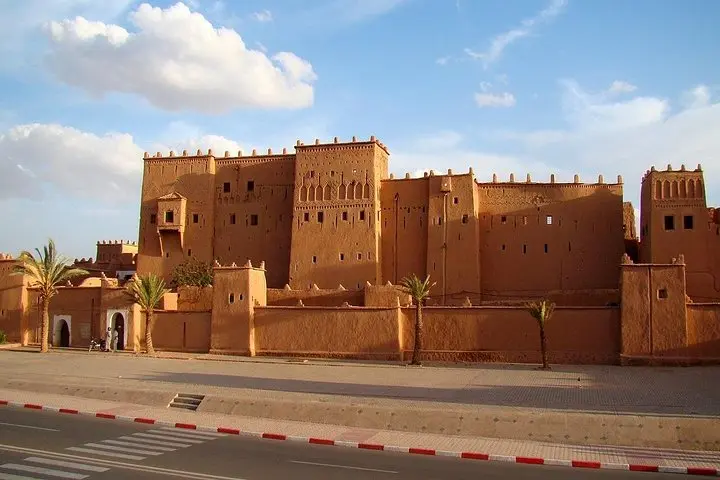
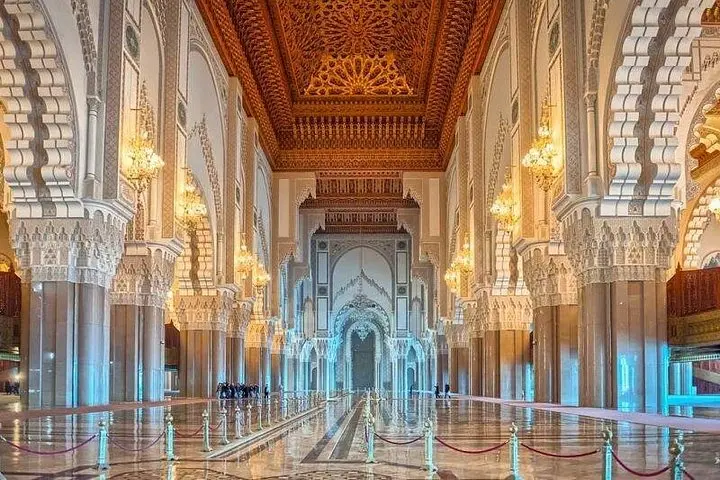
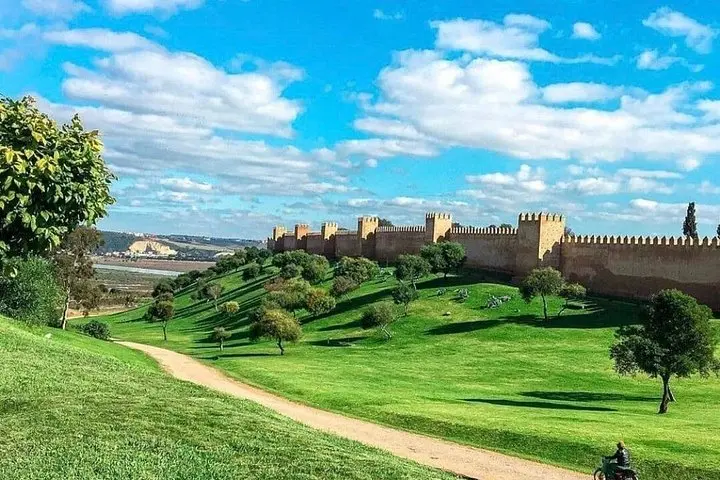
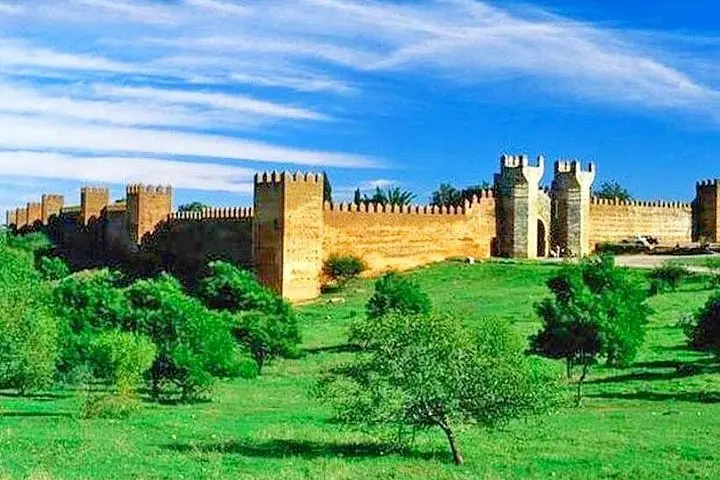
The tour opens with the Atlantic wind off Casablanca and closes beneath Marrakech’s ochre walls, but its real arcs are vertical: blue-washed alleys, cedar forests and the towering orange ribs of Erg Chebbi. Travelers move from urban mosques and medina labyrinths into the high Atlas’s switchbacks and finally the open, sculpted dunes where camels trace a slow, deliberate path into sunset.
The tour opens with the Atlantic wind off Casablanca and closes beneath Marrakech’s ochre walls, but its real arcs are vertical: blue-washed alleys, cedar forests and the towering orange ribs of Erg Chebbi. Travelers move from urban mosques and medina labyrinths into the high Atlas’s switchbacks and finally the open, sculpted dunes where camels trace a slow, deliberate path into sunset.
This route follows old trade arteries—caravan towns like Aït Ben Haddou and Rissani mark where salt, gold and dates once met. Geology shifts fast: the Middle Atlas feeds cedar forests and spring water; the High Atlas rises to Tizi n’Tichka at about 2,260 m; the eastern plains give way to the late-Paleozoic sediments that became the Erg Chebbi dunes. Berber villages, kasbahs and souks reveal local craftsmanship—pottery in Erfoud, rose products in the Dades valley—and remnants of film sets in Ouarzazate.
Practical guide: expect long driving days (often 4–8 hours) and short active windows—guided half-day city tours and a 1–1.5 hour camel trek at Merzouga, plus an overnight in a desert camp. Pack layered clothing for sharp diurnal swings, sturdy shoes for medina cobbles and canyon hikes, sun protection, and a small daypack for water and snacks. Hydrate before and during high passes; plan early starts to avoid midday heat in the south. The trip is culturally immersive but logistically straightforward—accommodations alternate between riads, gorges lodges and a tented Sahara camp—so bring patience for travel rhythms and sensitivity to fragile desert and mountain environments.