THE ADVENTURE COLLECTIVE® · Independent discovery and booking for outdoor travel

From Muscat’s coast to the Al Hajar highlands and the Arabian Sea, this eight-day route stitches together Oman’s headline landscapes with living history. Expect canyon hikes, cool-water swims, golden dunes, and starry turtle beaches—all paced for comfort and curiosity.
From Muscat’s coast to the Al Hajar highlands and the Arabian Sea, this eight-day route stitches together Oman’s headline landscapes with living history. Expect canyon hikes, cool-water swims, golden dunes, and starry turtle beaches—all paced for comfort and curiosity.
Dawn breaks over Muscat with the call to prayer drifting across whitewashed minarets, and the day’s heat already gathering. A 4WD hums to life; the coast recedes, and the Al Hajar Mountains rise like a stone tide. This eight-day circuit pulls a thread through northern Oman’s greatest hits—forts and wadis, dunes and sea—stitching geology, history, and daily life into a route that moves with purpose.
Verified experiences and guided adventures in the surrounding area.
Operated by Discover Mazoon Tours Oman · Muscat, Muscat Governorate
Dawn breaks over Muscat with the call to prayer drifting across whitewashed minarets, and the day’s heat already gathering. A 4WD hums to life; the coast recedes, and the Al Hajar Mountains rise like a stone tide. This eight-day circuit pulls a thread through northern Oman’s greatest hits—forts and wadis, dunes and sea—stitching geology, history, and daily life into a route that moves with purpose.
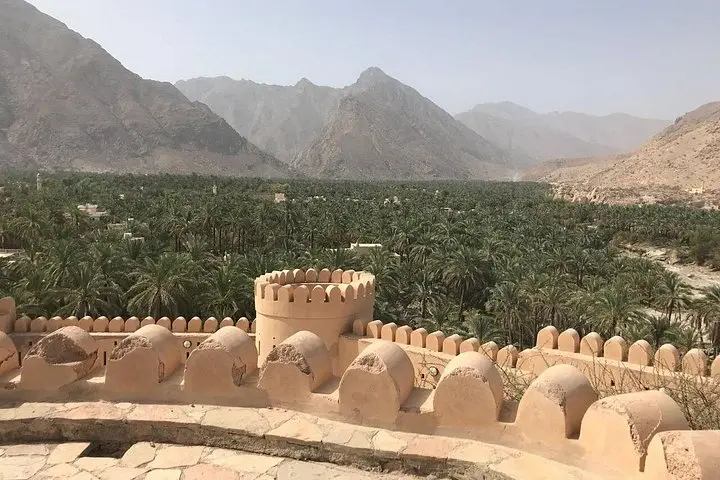
The climb toward Nakhal hints at what’s to come: a 1,500-year-old fortress lifted straight from the bedrock and date palms crowding the water-fed flats below. The mountains narrow into Wadi Bani Awf, where Snake Canyon squeezes travelers between limestone walls. Balad Sayt appears like a mirage—terraces stepping down to a falaj that murmurs, urging crops and visitors to pause. Higher still, Jebel Shams—The Grand Canyon of Oman—lays open a 2,000-meter rim with voids of shadow and sun. Up here, wind prowls the cliff edge while old stone hamlets cling to slopes, each pathway a ledger of grit and survival.
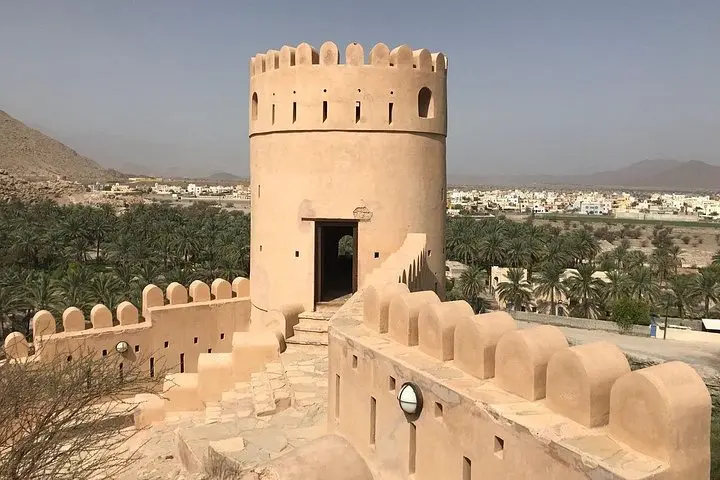
History threads the lowlands. In Nizwa, the Friday market still drums with bargaining as goats circle and silver jewelry flashes in the morning light. The fort’s round tower guards centuries of trade routes, while nearby Jabreen Castle shows off ceiling frescoes and carved teak in cool corridors. Jebel Akhdar’s terraces answer with color—pomegranate and rose—each spring-fed garden a counterpoint to the stark ridgelines that cradle them.
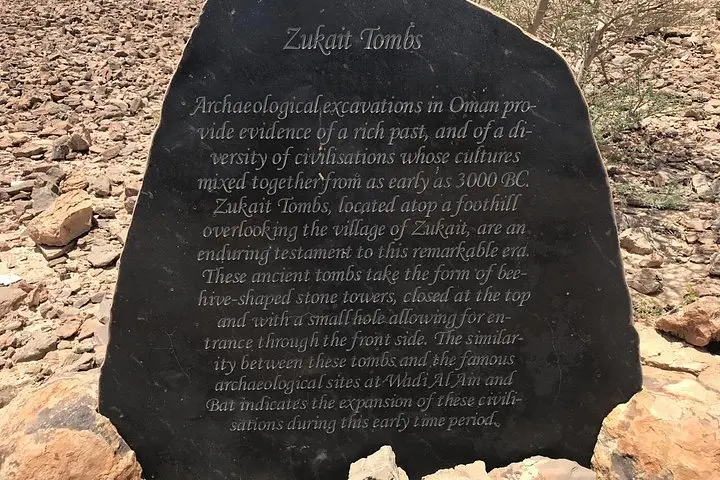
South and east, time reaches further back. Zukait’s beehive tombs—third millennium BCE—dot a ridge like cairns from another world. The dunes of Wahiba Sands advance in long saffron waves, shouldering your ride as if testing its resolve. At sunset, sand drinks the heat and the sky softens; night here is blunt and star-heavy. Wadi Bani Khalid wakes you with another dare—emerald pools nine meters deep where smooth rock invites leaps and long swims.
The route finally slips to sea. Crossing the sands to Al Ashkharah, fishing dhows lean into the swells while gulls argue overhead. At Ras Al Jinz, the beach turns solemn: under constellations, green turtles heave ashore to nest, and the ocean breathes in thick, steady strokes. Sur adds a human counterpoint—dhow builders lofting timber ribs—before limestone returns to claim the stage at Wadi Shab and Bimmah Sinkhole. In Wadi Shab, a 35–40 minute walk leads to a swim-through cleft where a hidden waterfall threads the dark; the canyon grins and pushes you onward.
It’s a well-paced arc: daily walks of 1–3 hours, swims in wadis and sinkholes, and long hauls in comfortable 4WDs. Pack sun layers, sturdy water shoes, and a headlamp for turtle nights. Oman’s north rewards those who move with the land—steady, respectful, and ready when the mountains call.
It’s moderate: expect daily walking of 1–3 hours, a 35–40 minute hike in Wadi Shab, optional swims, and long but comfortable 4WD transfers.
Swimming is optional. Non-swimmers can enjoy the scenery; those who swim in wadis should be comfortable in deep water and wear water shoes.
A mix of mountain resorts, desert camps, and coastal hotels—clean, comfortable, and air-conditioned—with breakfasts and several dinners included.
October–April offers milder temperatures in the desert and mountains. Summers are very hot, especially in the lowlands.
Light, modest clothing that covers shoulders and knees; bring a scarf or light layer for mosques and traditional areas.
There’s a high chance year-round, with peak nesting typically May–September. Viewing is guided at night to protect nesting turtles.
Discover Mazoon Tours Oman operates guided outdoor trips and adventures with an emphasis on safety, stewardship, and memorable experiences.
Dawn breaks over Muscat with the call to prayer drifting across whitewashed minarets, and the day’s heat already gathering. A 4WD hums to life; the coast recedes, and the Al Hajar Mountains rise like a stone tide. This eight-day circuit pulls a thread through northern Oman’s greatest hits—forts and wadis, dunes and sea—stitching geology, history, and daily life into a route that moves with purpose.
Dawn breaks over Muscat with the call to prayer drifting across whitewashed minarets, and the day’s heat already gathering. A 4WD hums to life; the coast recedes, and the Al Hajar Mountains rise like a stone tide. This eight-day circuit pulls a thread through northern Oman’s greatest hits—forts and wadis, dunes and sea—stitching geology, history, and daily life into a route that moves with purpose.
The climb toward Nakhal hints at what’s to come: a 1,500-year-old fortress lifted straight from the bedrock and date palms crowding the water-fed flats below. The mountains narrow into Wadi Bani Awf, where Snake Canyon squeezes travelers between limestone walls. Balad Sayt appears like a mirage—terraces stepping down to a falaj that murmurs, urging crops and visitors to pause. Higher still, Jebel Shams—The Grand Canyon of Oman—lays open a 2,000-meter rim with voids of shadow and sun. Up here, wind prowls the cliff edge while old stone hamlets cling to slopes, each pathway a ledger of grit and survival.
History threads the lowlands. In Nizwa, the Friday market still drums with bargaining as goats circle and silver jewelry flashes in the morning light. The fort’s round tower guards centuries of trade routes, while nearby Jabreen Castle shows off ceiling frescoes and carved teak in cool corridors. Jebel Akhdar’s terraces answer with color—pomegranate and rose—each spring-fed garden a counterpoint to the stark ridgelines that cradle them.
South and east, time reaches further back. Zukait’s beehive tombs—third millennium BCE—dot a ridge like cairns from another world. The dunes of Wahiba Sands advance in long saffron waves, shouldering your ride as if testing its resolve. At sunset, sand drinks the heat and the sky softens; night here is blunt and star-heavy. Wadi Bani Khalid wakes you with another dare—emerald pools nine meters deep where smooth rock invites leaps and long swims.
The route finally slips to sea. Crossing the sands to Al Ashkharah, fishing dhows lean into the swells while gulls argue overhead. At Ras Al Jinz, the beach turns solemn: under constellations, green turtles heave ashore to nest, and the ocean breathes in thick, steady strokes. Sur adds a human counterpoint—dhow builders lofting timber ribs—before limestone returns to claim the stage at Wadi Shab and Bimmah Sinkhole. In Wadi Shab, a 35–40 minute walk leads to a swim-through cleft where a hidden waterfall threads the dark; the canyon grins and pushes you onward.
It’s a well-paced arc: daily walks of 1–3 hours, swims in wadis and sinkholes, and long hauls in comfortable 4WDs. Pack sun layers, sturdy water shoes, and a headlamp for turtle nights. Oman’s north rewards those who move with the land—steady, respectful, and ready when the mountains call.