THE ADVENTURE COLLECTIVE® · Independent discovery and booking for outdoor travel

Spend a full day with Ek Balam’s ruins, a community-led craft experience, and a swim in X'Canché cenote. This practical guide outlines what to expect on the 10–11 hour cultural and outdoor tour.
Spend a full day with Ek Balam’s ruins, a community-led craft experience, and a swim in X'Canché cenote. This practical guide outlines what to expect on the 10–11 hour cultural and outdoor tour.
You step off the van onto a dusty lane where palms lean like slow-moving sentries and the stone of an ancient city catches the sun.
Verified experiences and guided adventures in the surrounding area.
You step off the van onto a dusty lane where palms lean like slow-moving sentries and the stone of an ancient city catches the sun.
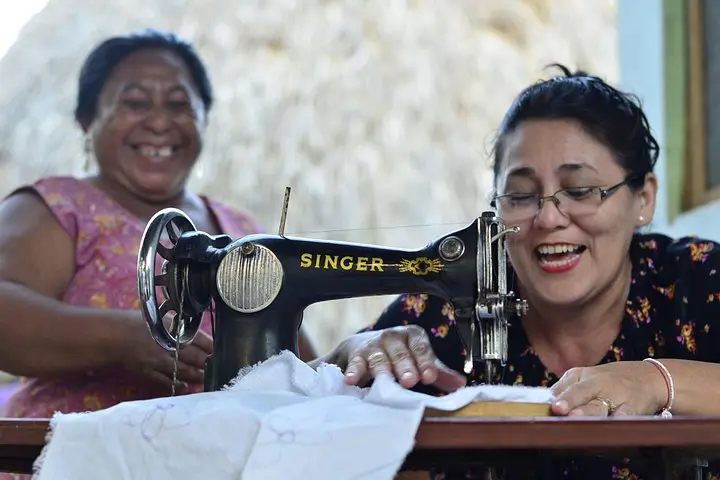
Ek Balam rewards curiosity: carved stucco faces peer from the Acropolis, a jungle-scented trail leads to X'Canché cenote, and a handful of community workshops teach weaving and tortilla-making the old way. The site’s limestone platform rises from low karst plain — a landscape carved by groundwater and dotted with sinkholes — giving visitors open views over forested lowlands and the occasional spiky silhouette of ceiba trees.
Historically, Ek Balam grew in the Late Classic period and is noted for elaborate sculpted façades and a royal tomb beneath the main pyramid. The nearby cenote is part of the Yucatán’s extensive underground water system; its clear pool is cool and buoyant, a natural counterpoint to the hot, exposed climb to the summit.
Practically, the day tour blends short cultural workshops, a guided ruin visit with uneven stone steps and loose gravel, and time to swim. Expect multiple short walks, a steep climb (non-technical) up the Acropolis, and a descent to the cenote that can be slippery when wet.
Bring sun protection, a refillable water bottle, sturdy shoes with grip, and cash for the community market and a simple lunch. Aim for early arrival to avoid midday heat and enjoy quieter views from the pyramid. Respect local customs during workshops and follow posted rules at the cenote to protect fragile freshwater systems.
Most tours include time at X'Canché cenote for swimming; bring swimwear and check whether life vests are provided if you’re not a confident swimmer.
Expect several short walks around the site and a steep climb up the main pyramid (non-technical but with many steps and no rail in places).
Yes — small vendors, workshops, and community-run experiences often only accept cash, so bring small denominations (MXN).
Yes — community workshops are hands-on; they’re intended to be participatory and are a core part of the cultural visit.
You step off the van onto a dusty lane where palms lean like slow-moving sentries and the stone of an ancient city catches the sun.
You step off the van onto a dusty lane where palms lean like slow-moving sentries and the stone of an ancient city catches the sun.
Ek Balam rewards curiosity: carved stucco faces peer from the Acropolis, a jungle-scented trail leads to X'Canché cenote, and a handful of community workshops teach weaving and tortilla-making the old way. The site’s limestone platform rises from low karst plain — a landscape carved by groundwater and dotted with sinkholes — giving visitors open views over forested lowlands and the occasional spiky silhouette of ceiba trees.
Historically, Ek Balam grew in the Late Classic period and is noted for elaborate sculpted façades and a royal tomb beneath the main pyramid. The nearby cenote is part of the Yucatán’s extensive underground water system; its clear pool is cool and buoyant, a natural counterpoint to the hot, exposed climb to the summit.
Practically, the day tour blends short cultural workshops, a guided ruin visit with uneven stone steps and loose gravel, and time to swim. Expect multiple short walks, a steep climb (non-technical) up the Acropolis, and a descent to the cenote that can be slippery when wet.
Bring sun protection, a refillable water bottle, sturdy shoes with grip, and cash for the community market and a simple lunch. Aim for early arrival to avoid midday heat and enjoy quieter views from the pyramid. Respect local customs during workshops and follow posted rules at the cenote to protect fragile freshwater systems.