THE ADVENTURE COLLECTIVE® · Independent discovery and booking for outdoor travel

Explore Eklingji’s Shiva complex and the ancient Sahasrabahu temples at Nagda on a private full-day outing from Udaipur. This practical guide explains what you’ll see, local context, and how to prepare for a day of history and temple ritual.
Explore Eklingji’s Shiva complex and the ancient Sahasrabahu temples at Nagda on a private full-day outing from Udaipur. This practical guide explains what you’ll see, local context, and how to prepare for a day of history and temple ritual.
You arrive before the heat, windows down as the city gives way to dry fields and the low, ancient sweep of the Aravalli Hills. The road to Eklingji threads past ochre huts and tamarind trees; by the time the temple spires appear, the day feels deliberate and old.
Verified experiences and guided adventures in the surrounding area.
Operated by Udaipur Taxi Cab Service · Udaipur, Rajasthan
You arrive before the heat, windows down as the city gives way to dry fields and the low, ancient sweep of the Aravalli Hills. The road to Eklingji threads past ochre huts and tamarind trees; by the time the temple spires appear, the day feels deliberate and old.
Eklingji is a complex devoted to Shiva in his local form, long regarded as the ruling deity of Mewar—where the Maharana historically ruled in the role of his steward. A short drive away, the Sahasrabahu (Sas-Bahu) group of temples at Nagda exposes stonework from a millennium ago: carved pillars, lintels, and a silence that holds centuries of ritual and repair.
Geology here is granite and schist, the Aravallis folded into low ridges that shape local drainage and farmland; culturally, the area links living village life with Rajput court history, festivals, and temple stewardship. Expect close views of medieval masonry, brass ritual implements, and local pilgrims making offerings.
Practical guidance: this is a full-day private tour—roughly eight hours including transport from Udaipur—using an A/C vehicle with bottled water provided. Wear sturdy walking shoes; temple grounds can be uneven and stepped. Carry small bills for onsite donations and entry fees (many temple complexes charge a nominal ticket). Start early to avoid midday heat and schedule time for quiet observation rather than a rushed checklist. Respect dress codes at temples (shoulders and knees covered) and be prepared for modest crowds during festival dates.
The tour typically provides transport and bottled water; temple admission fees are generally not included and should be paid locally unless specified.
Eklingji and Nagda are about 20–30 minutes north of central Udaipur by car, making this a comfortable full-day round trip when combined with on-site time.
Yes with caution—short walks and steps are required; travelers with limited mobility or serious cardiovascular issues should avoid steep sections and notify the operator in advance.
Photography is usually permitted in exterior areas but may be restricted inside sanctums; shoes must be removed before entering inner temple spaces.
Udaipur Taxi Cab Service operates guided outdoor trips and adventures with an emphasis on safety, stewardship, and memorable experiences.

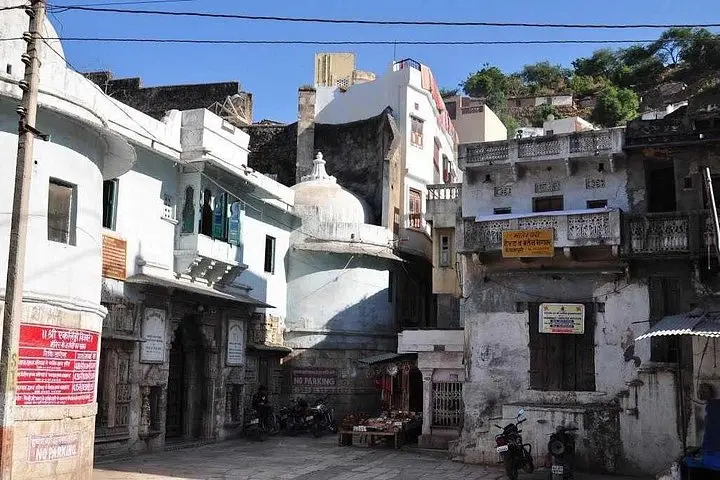
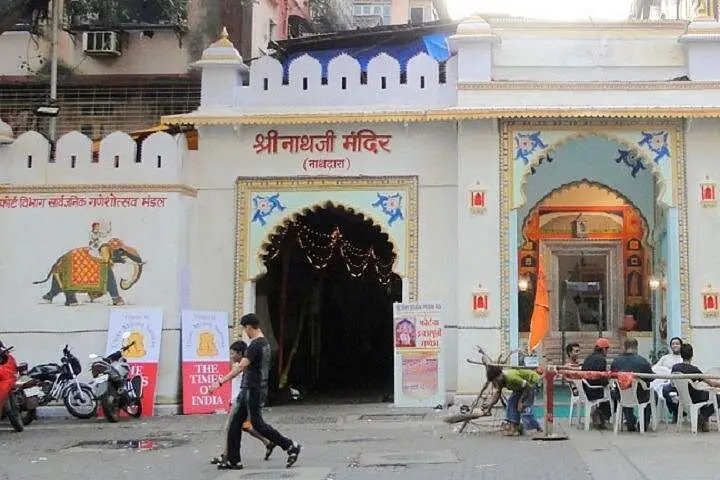
You arrive before the heat, windows down as the city gives way to dry fields and the low, ancient sweep of the Aravalli Hills. The road to Eklingji threads past ochre huts and tamarind trees; by the time the temple spires appear, the day feels deliberate and old.
You arrive before the heat, windows down as the city gives way to dry fields and the low, ancient sweep of the Aravalli Hills. The road to Eklingji threads past ochre huts and tamarind trees; by the time the temple spires appear, the day feels deliberate and old.
Eklingji is a complex devoted to Shiva in his local form, long regarded as the ruling deity of Mewar—where the Maharana historically ruled in the role of his steward. A short drive away, the Sahasrabahu (Sas-Bahu) group of temples at Nagda exposes stonework from a millennium ago: carved pillars, lintels, and a silence that holds centuries of ritual and repair.
Geology here is granite and schist, the Aravallis folded into low ridges that shape local drainage and farmland; culturally, the area links living village life with Rajput court history, festivals, and temple stewardship. Expect close views of medieval masonry, brass ritual implements, and local pilgrims making offerings.
Practical guidance: this is a full-day private tour—roughly eight hours including transport from Udaipur—using an A/C vehicle with bottled water provided. Wear sturdy walking shoes; temple grounds can be uneven and stepped. Carry small bills for onsite donations and entry fees (many temple complexes charge a nominal ticket). Start early to avoid midday heat and schedule time for quiet observation rather than a rushed checklist. Respect dress codes at temples (shoulders and knees covered) and be prepared for modest crowds during festival dates.