THE ADVENTURE COLLECTIVE® · Independent discovery and booking for outdoor travel

Explore pre-Columbian mounds at El Caño, then cool off beneath La Tavida’s 32-meter cascade. This full-day private tour blends archaeology, local culture and a short rainforest hike.
Explore pre-Columbian mounds at El Caño, then cool off beneath La Tavida’s 32-meter cascade. This full-day private tour blends archaeology, local culture and a short rainforest hike.
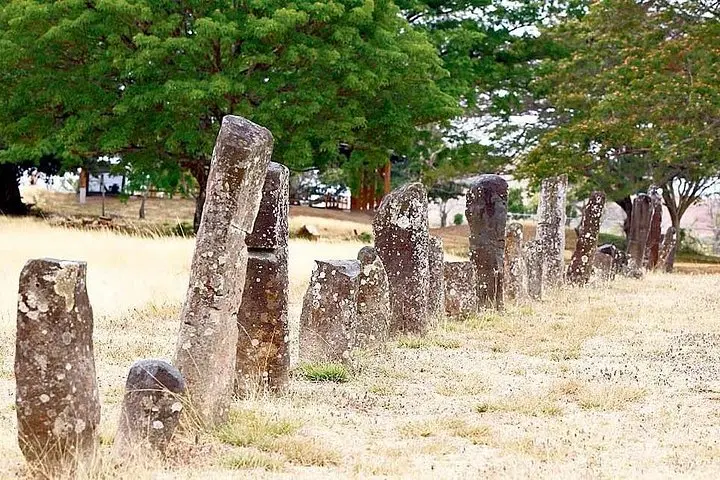
You arrive before the heat of the day, the road climbing out of the lowland scrub toward the Penonomé highlands. The guide parks near a ring of stones and the air tightens with humidity and history: earthworks rise like low hills, monolith fragments half-buried, and the forest seems to press in, as if eager to keep its secrets.
Verified experiences and guided adventures in the surrounding area.
Operated by Panama Travel Corp · Penonomé, Coclé
You arrive before the heat of the day, the road climbing out of the lowland scrub toward the Penonomé highlands. The guide parks near a ring of stones and the air tightens with humidity and history: earthworks rise like low hills, monolith fragments half-buried, and the forest seems to press in, as if eager to keep its secrets.
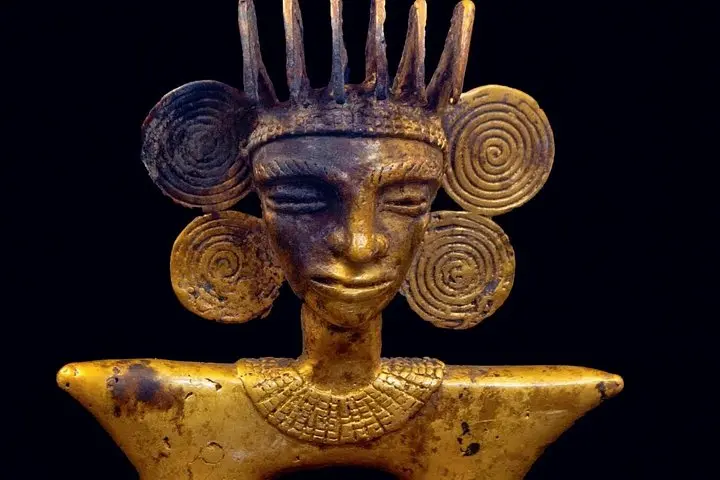
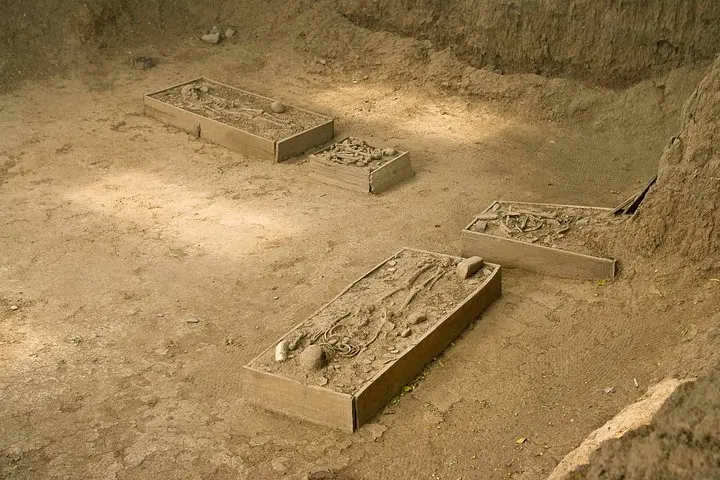
El Caño is one of Panama’s best-preserved pre-Columbian landscapes — mounds, stone rings and burial deposits that reveal a complex chiefdom economy and ritual life from centuries before Columbus. Geologically the site sits on reclaimed alluvial terraces; the soil holds pottery sherds and carved stone that hint at long-distance exchange. Culturally, the area connects modern rural communities with agricultural traditions and liturgical practices tied to the land.
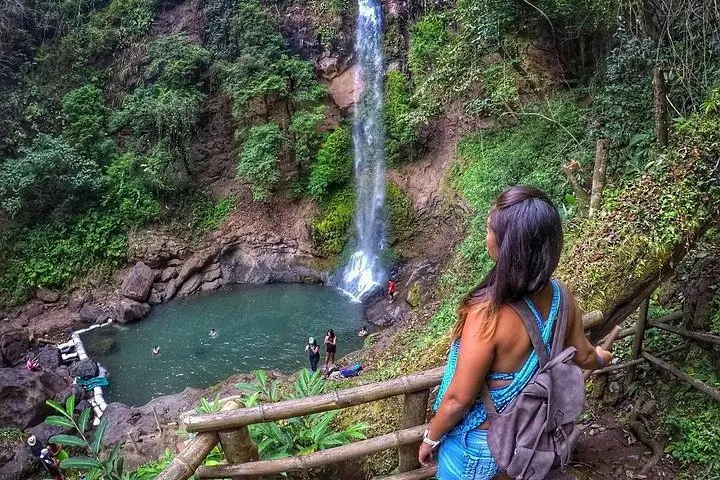
After the archaeological visit the route climbs to Chiguirí Arriba for a traditional lunch, then a short hike through secondary forest to La Tavida, a 32-meter waterfall that throws mist into the valley and dares you closer to its plunge pool. The walk is uneven but brief, with leafy trails, slippery roots and a final opening onto the falls.
Plan for a long day: sunscreen, insect repellent and solid footwear are non-negotiable. Bring cash for small souvenirs and expect bilingual guides and private transport from Penonomé or Panama City. Photography is allowed but avoid touching excavation areas; respect roped-off sections. Best visited during the dry season for firmer trails, though the cascade is most dramatic after rains. This tour pairs cultural archaeology with a refreshing alpine finish — practical, immersive, and unmistakably Panamanian.
The walk from the village to the falls is a short hike of roughly 20–40 minutes on uneven, sometimes muddy trail.
Children can enjoy the visit but must be supervised around excavation areas; the tour notes a moderate fitness level for participants.
Yes — the tour includes a bilingual guide who explains archaeological context and local customs.
Photography is allowed in most areas but follow guide instructions and do not enter roped-off excavation zones or touch artifacts.
Panama Travel Corp operates guided outdoor trips and adventures with an emphasis on safety, stewardship, and memorable experiences.
You arrive before the heat of the day, the road climbing out of the lowland scrub toward the Penonomé highlands. The guide parks near a ring of stones and the air tightens with humidity and history: earthworks rise like low hills, monolith fragments half-buried, and the forest seems to press in, as if eager to keep its secrets.
You arrive before the heat of the day, the road climbing out of the lowland scrub toward the Penonomé highlands. The guide parks near a ring of stones and the air tightens with humidity and history: earthworks rise like low hills, monolith fragments half-buried, and the forest seems to press in, as if eager to keep its secrets.
El Caño is one of Panama’s best-preserved pre-Columbian landscapes — mounds, stone rings and burial deposits that reveal a complex chiefdom economy and ritual life from centuries before Columbus. Geologically the site sits on reclaimed alluvial terraces; the soil holds pottery sherds and carved stone that hint at long-distance exchange. Culturally, the area connects modern rural communities with agricultural traditions and liturgical practices tied to the land.
After the archaeological visit the route climbs to Chiguirí Arriba for a traditional lunch, then a short hike through secondary forest to La Tavida, a 32-meter waterfall that throws mist into the valley and dares you closer to its plunge pool. The walk is uneven but brief, with leafy trails, slippery roots and a final opening onto the falls.
Plan for a long day: sunscreen, insect repellent and solid footwear are non-negotiable. Bring cash for small souvenirs and expect bilingual guides and private transport from Penonomé or Panama City. Photography is allowed but avoid touching excavation areas; respect roped-off sections. Best visited during the dry season for firmer trails, though the cascade is most dramatic after rains. This tour pairs cultural archaeology with a refreshing alpine finish — practical, immersive, and unmistakably Panamanian.