THE ADVENTURE COLLECTIVE® · Independent discovery and booking for outdoor travel

Brace for a technical, high-adrenaline Class IV run through the narrow canyon of Río Naranjo, just northeast of Quepos. Expect tight drops, fossil-lined walls, local fruit snacks at takeout, and a half-day guided expedition operating primarily in the dry season.
Brace for a technical, high-adrenaline Class IV run through the narrow canyon of Río Naranjo, just northeast of Quepos. Expect tight drops, fossil-lined walls, local fruit snacks at takeout, and a half-day guided expedition operating primarily in the dry season.
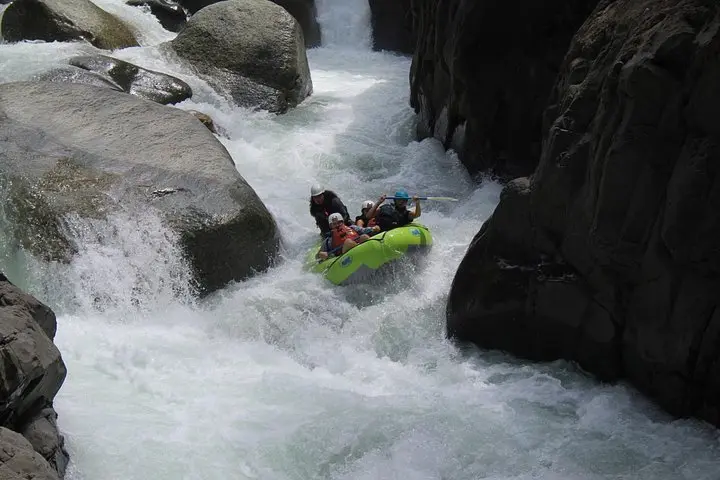
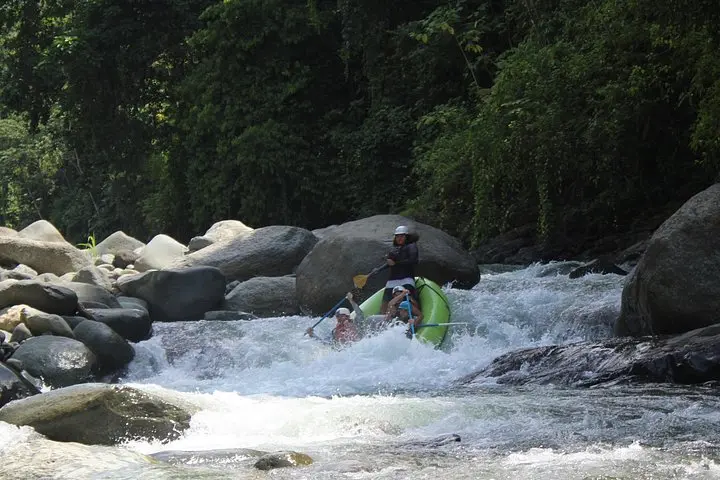
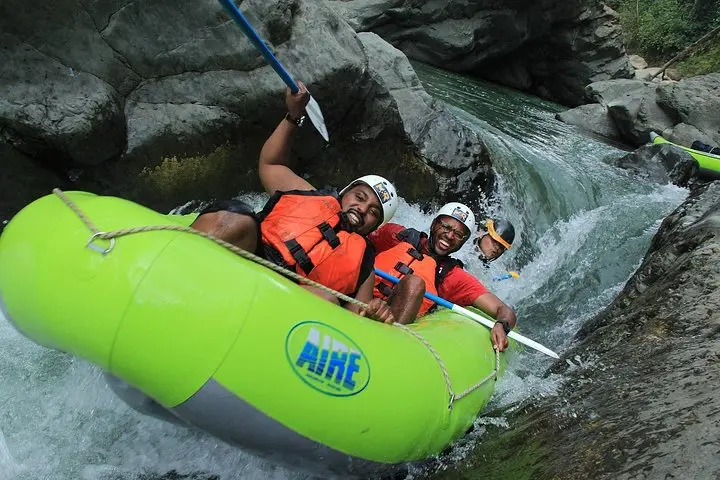
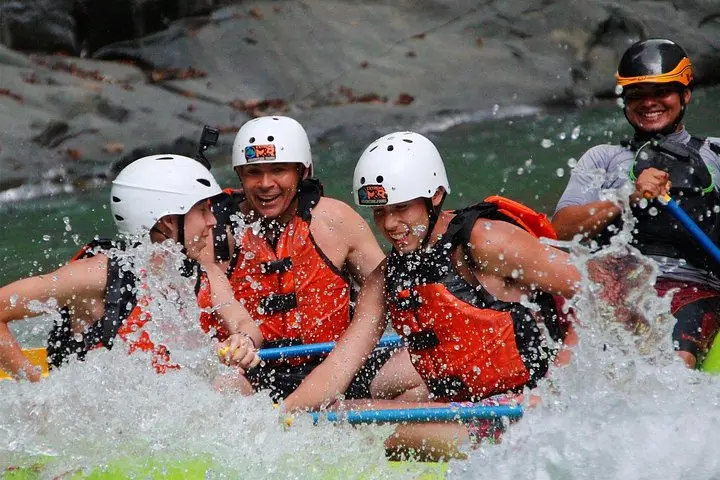
The canyon narrows, walls close in and the Río Naranjo pushes you like a natural conveyor — cold, fast, and unforgiving in the best way. You launch from a rocky lip, paddles chattering, and for the next few kilometers the river alternates between surging slides, tight boofs and short, technical drops that demand quick responses.
Verified experiences and guided adventures in the surrounding area.
Operated by Extreme M&R · Quepos, Puntarenas
The canyon narrows, walls close in and the Río Naranjo pushes you like a natural conveyor — cold, fast, and unforgiving in the best way. You launch from a rocky lip, paddles chattering, and for the next few kilometers the river alternates between surging slides, tight boofs and short, technical drops that demand quick responses.
This upper Naranjo descent sits about 25 minutes northeast of Quepos and runs through sedimentary canyon walls where river-cut layers reveal marine fossils and the region’s geologic past: an uplifted shoreline remade by tectonics and erosion. The area sits in Costa Rica’s transitional zone between lowland rainforest and coastal ranges, where local farmers and small settlements have historically used the river corridor for transport and freshwater.
Culturally, guides here blend decades of river knowledge with modern safety protocols — expect tight group control, spot briefings before rapids, and a riverside fruit snack at takeout. Water levels fluctuate with seasonal rains; December–May is the usual window for guided runs, and conditions can swing from mellow slides to full-class IV intensity.
Practical guidance: you’ll need a moderate to high fitness level, swim competence, and comfortable hydrophobic clothing. Wear secure water shoes and leave valuables behind or in a dry bag. Follow guides’ commands precisely; self-rescue options are limited in the narrow canyon. The full excursion runs roughly 3–4 hours including transport, safety briefing and the river section — allow a solid half day from Quepos.
For paddlers seeking compact, technical whitewater in a biodiverse Costa Rican setting, El Chorro delivers an intense, focused run with real consequences and real views.
Guided runs operate in the drier window—typically December through May—when guides assess conditions for safe Class IV passage.
Not recommended for guests with spinal injuries, heart conditions, or pregnancy; travelers should have at least a moderate fitness level and be able to swim.
Most bookings include transport from Quepos, safety gear (helmet, PFD), professional guides and a riverside snack of fresh fruit.
It’s technical and intense; first-time rafters can do it with experienced guides but must follow instructions closely and be prepared for physical demands.
Extreme M&R operates guided outdoor trips and adventures with an emphasis on safety, stewardship, and memorable experiences.
The canyon narrows, walls close in and the Río Naranjo pushes you like a natural conveyor — cold, fast, and unforgiving in the best way. You launch from a rocky lip, paddles chattering, and for the next few kilometers the river alternates between surging slides, tight boofs and short, technical drops that demand quick responses.
The canyon narrows, walls close in and the Río Naranjo pushes you like a natural conveyor — cold, fast, and unforgiving in the best way. You launch from a rocky lip, paddles chattering, and for the next few kilometers the river alternates between surging slides, tight boofs and short, technical drops that demand quick responses.
This upper Naranjo descent sits about 25 minutes northeast of Quepos and runs through sedimentary canyon walls where river-cut layers reveal marine fossils and the region’s geologic past: an uplifted shoreline remade by tectonics and erosion. The area sits in Costa Rica’s transitional zone between lowland rainforest and coastal ranges, where local farmers and small settlements have historically used the river corridor for transport and freshwater.
Culturally, guides here blend decades of river knowledge with modern safety protocols — expect tight group control, spot briefings before rapids, and a riverside fruit snack at takeout. Water levels fluctuate with seasonal rains; December–May is the usual window for guided runs, and conditions can swing from mellow slides to full-class IV intensity.
Practical guidance: you’ll need a moderate to high fitness level, swim competence, and comfortable hydrophobic clothing. Wear secure water shoes and leave valuables behind or in a dry bag. Follow guides’ commands precisely; self-rescue options are limited in the narrow canyon. The full excursion runs roughly 3–4 hours including transport, safety briefing and the river section — allow a solid half day from Quepos.
For paddlers seeking compact, technical whitewater in a biodiverse Costa Rican setting, El Chorro delivers an intense, focused run with real consequences and real views.