THE ADVENTURE COLLECTIVE® · Independent discovery and booking for outdoor travel

Cruise from Tortugas Beach Club to world-class reef sites and a pale sandbar on a private boat—two reef snorkeling stops, a secluded beach break, and local ceviche. This four-hour trip pairs easy snorkeling with strong conservation rules and insider timing tips.
Cruise from Tortugas Beach Club to world-class reef sites and a pale sandbar on a private boat—two reef snorkeling stops, a secluded beach break, and local ceviche. This four-hour trip pairs easy snorkeling with strong conservation rules and insider timing tips.
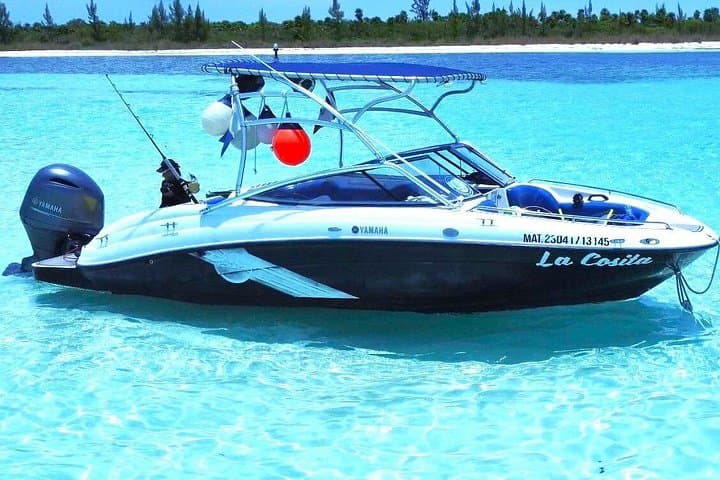
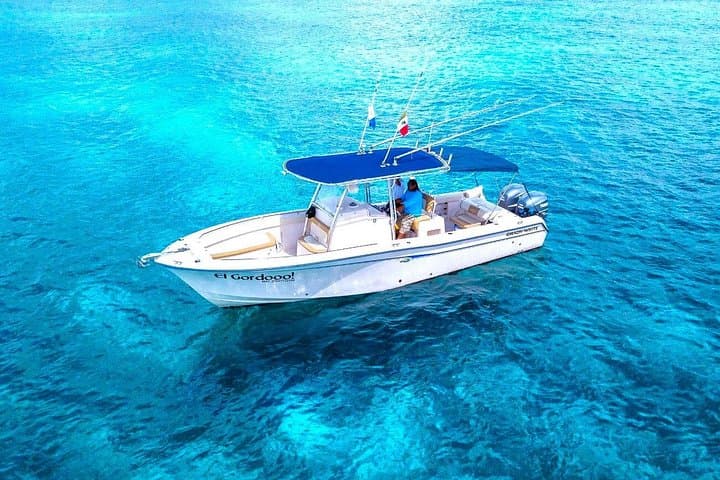
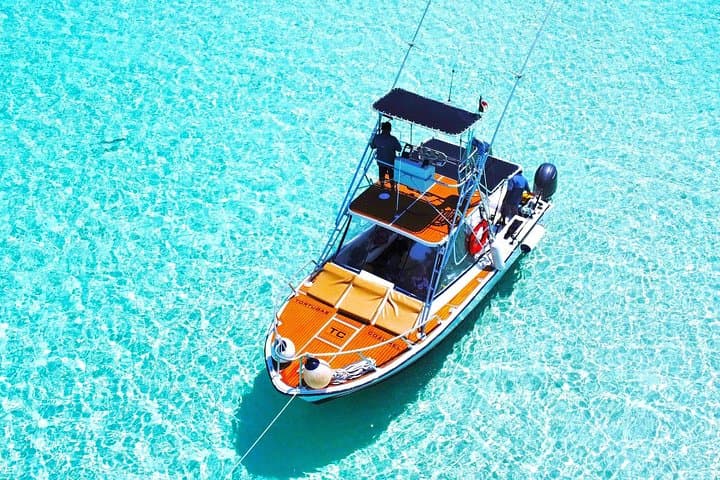
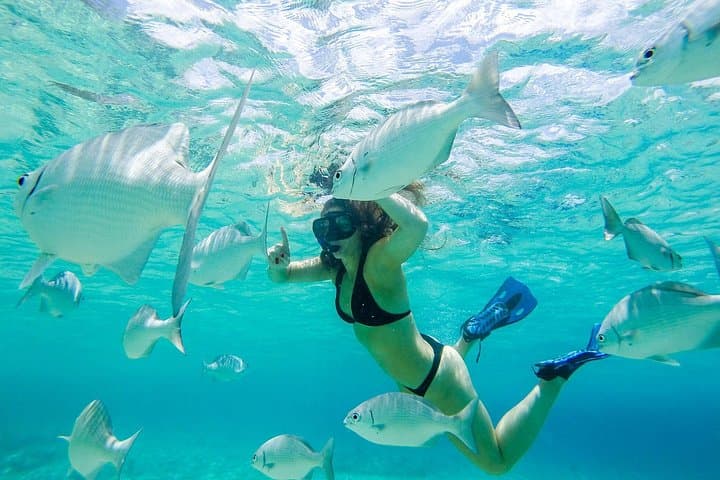
The motor purrs and the shoreline of San Miguel slides aft as the private boat eases out from Tortugas Beach Club. Sunlight punches through a thin breeze and the Caribbean stretches a pure, improbable blue; beneath the surface, the reef is already at work, corralling parrotfish and clouds of silver baitfish. Onboard, the crew sorts masks and fins with quiet efficiency—this is less spectacle than choreography: two reef stops, a sandbar called El Cielo, then a sheltered slice of white sand away from the day-trippers.
Verified experiences and guided adventures in the surrounding area.
Operated by Tortugas Cozumel · San Miguel de Cozumel, Quintana Roo
The motor purrs and the shoreline of San Miguel slides aft as the private boat eases out from Tortugas Beach Club. Sunlight punches through a thin breeze and the Caribbean stretches a pure, improbable blue; beneath the surface, the reef is already at work, corralling parrotfish and clouds of silver baitfish. Onboard, the crew sorts masks and fins with quiet efficiency—this is less spectacle than choreography: two reef stops, a sandbar called El Cielo, then a sheltered slice of white sand away from the day-trippers.
Cozumel sits on the western edge of the Mesoamerican Barrier Reef, the second-longest coral reef system in the world. Over millennia, coral growth and gentle sea-level shifts built gardens of branching and brain coral that now sit just beyond snorkel range, from shallow patches at 2–6 meters to steeper drop-offs. The island’s waters once drew Mayan fishermen and, later, European explorers; today, they are managed as a national marine park with strict rules designed to keep coral alive and fish populations healthy.
On the water, currents nudge the boat past fringing reef, and the crew points to sponges and elkhorn coral that act like underwater buildings for small life. El Cielo is a shallow sandbar where rays gather and starfish lay like coins; the bar’s pale sand makes the turquoise glow so bright it feels like a mirage with intent. Culture here is maritime—guides are local, ceviche recipes are regional, and a cold margarita after a swim feels like a civic ritual.
Practical guidance: the tour is about four hours total with roughly 20–30 minutes of boat time to the primary reefs, and two 30–45-minute snorkel stops. Expect water depths commonly between 2–8 meters at snorkel sites; visibility is typically 15–30 meters on calm mornings. Bring cash ($6 USD per person) for the National Marine Park fee, and arrive at Tortugas Beach Club by taxi to check in at the booth. Sunscreen is prohibited on the reef—wear a UPF long-sleeve rash guard and a hat instead. Operators provide masks, fins, and life jackets, and the crew offers basic guidance for first-time snorkelers.
Timing matters: mornings are calmer and clearer; afternoons can bring wind and chop that push operators to choose alternate, more protected sites. The experience suits beginners and confident swimmers alike, but isn’t recommended for those with recent surgeries, back problems, or pregnancy. When planning, pack a small dry bag for your phone, a reusable water bottle, and reef-friendly behavior: no touching coral, no chasing rays, and let the ocean hold its distance. The payoff is simple—close-up coral gardens, curious fish, and a few quiet minutes on sand that feels, briefly, like a private world.
No—basic instruction is given and life jackets are available, but you should be comfortable in the water and able to float for short periods.
No—the $6 USD per person fee to enter the marine park is not included and must be paid in cash at Tortugas Beach Club.
Yes, snorkeling equipment is provided and staff will help fit gear before each swim.
Children are allowed from about age 5, but suitability depends on swimming ability and comfort in open water.
Occasionally strong winds force operators to move to alternate, protected snorkeling sites or adjust the itinerary for safety.
Sunscreen is not permitted on the reef to protect coral; wear UPF clothing and a hat instead, and use reef-safe lip balm if needed.
Tortugas Cozumel operates guided outdoor trips and adventures with an emphasis on safety, stewardship, and memorable experiences.
The motor purrs and the shoreline of San Miguel slides aft as the private boat eases out from Tortugas Beach Club. Sunlight punches through a thin breeze and the Caribbean stretches a pure, improbable blue; beneath the surface, the reef is already at work, corralling parrotfish and clouds of silver baitfish. Onboard, the crew sorts masks and fins with quiet efficiency—this is less spectacle than choreography: two reef stops, a sandbar called El Cielo, then a sheltered slice of white sand away from the day-trippers.
The motor purrs and the shoreline of San Miguel slides aft as the private boat eases out from Tortugas Beach Club. Sunlight punches through a thin breeze and the Caribbean stretches a pure, improbable blue; beneath the surface, the reef is already at work, corralling parrotfish and clouds of silver baitfish. Onboard, the crew sorts masks and fins with quiet efficiency—this is less spectacle than choreography: two reef stops, a sandbar called El Cielo, then a sheltered slice of white sand away from the day-trippers.
Cozumel sits on the western edge of the Mesoamerican Barrier Reef, the second-longest coral reef system in the world. Over millennia, coral growth and gentle sea-level shifts built gardens of branching and brain coral that now sit just beyond snorkel range, from shallow patches at 2–6 meters to steeper drop-offs. The island’s waters once drew Mayan fishermen and, later, European explorers; today, they are managed as a national marine park with strict rules designed to keep coral alive and fish populations healthy.
On the water, currents nudge the boat past fringing reef, and the crew points to sponges and elkhorn coral that act like underwater buildings for small life. El Cielo is a shallow sandbar where rays gather and starfish lay like coins; the bar’s pale sand makes the turquoise glow so bright it feels like a mirage with intent. Culture here is maritime—guides are local, ceviche recipes are regional, and a cold margarita after a swim feels like a civic ritual.
Practical guidance: the tour is about four hours total with roughly 20–30 minutes of boat time to the primary reefs, and two 30–45-minute snorkel stops. Expect water depths commonly between 2–8 meters at snorkel sites; visibility is typically 15–30 meters on calm mornings. Bring cash ($6 USD per person) for the National Marine Park fee, and arrive at Tortugas Beach Club by taxi to check in at the booth. Sunscreen is prohibited on the reef—wear a UPF long-sleeve rash guard and a hat instead. Operators provide masks, fins, and life jackets, and the crew offers basic guidance for first-time snorkelers.
Timing matters: mornings are calmer and clearer; afternoons can bring wind and chop that push operators to choose alternate, more protected sites. The experience suits beginners and confident swimmers alike, but isn’t recommended for those with recent surgeries, back problems, or pregnancy. When planning, pack a small dry bag for your phone, a reusable water bottle, and reef-friendly behavior: no touching coral, no chasing rays, and let the ocean hold its distance. The payoff is simple—close-up coral gardens, curious fish, and a few quiet minutes on sand that feels, briefly, like a private world.