THE ADVENTURE COLLECTIVE® · Independent discovery and booking for outdoor travel

Skip the crowded buses and ride south in private comfort. This 5–6 hour door-to-door van transfer from El Nido to Puerto Princesa moves you through Palawan’s coastal karst, village life, and optional stop at the famed Puerto Princesa Underground River.
Skip the crowded buses and ride south in private comfort. This 5–6 hour door-to-door van transfer from El Nido to Puerto Princesa moves you through Palawan’s coastal karst, village life, and optional stop at the famed Puerto Princesa Underground River.
The morning air in El Nido smells like diesel and sea salt as your driver slides the doors open and gestures toward a polished Toyota Grandia. Bags clatter into the undercarriage with practiced ease; the van settles on the shoulder, engine humming like a patient animal ready for a long walk. You pull away from the limestone spires that frame El Nido’s bay and the road unfurls southward — a measured ribbon of asphalt that threads through karst ridges, sleepy coastal villages, and broad rice flats.
Verified experiences and guided adventures in the surrounding area.
Operated by Diskubre Palawan · El Nido, Palawan
The morning air in El Nido smells like diesel and sea salt as your driver slides the doors open and gestures toward a polished Toyota Grandia. Bags clatter into the undercarriage with practiced ease; the van settles on the shoulder, engine humming like a patient animal ready for a long walk. You pull away from the limestone spires that frame El Nido’s bay and the road unfurls southward — a measured ribbon of asphalt that threads through karst ridges, sleepy coastal villages, and broad rice flats.
This is not a race; it’s a transit through Palawan’s geography and history. The island is a geological half-century of uplifted coral and limestone, and the road exposes cliffs that were once seabeds. Midway, drivers often pause at small stands for coconut juice or to stretch legs beneath a canopy of mangroves. There’s a chance to add a two-hour detour to the Puerto Princesa Subterranean River — a UNESCO site that offers a dramatic contrast to the sun-drenched coast, where an underground river winds through cathedral-like caverns.
Culturally, the route crosses communities shaped by fishing and farming, punctuated by modern hotels nearer Puerto Princesa. English is widely spoken by drivers and staff; conversations in the van often revolve around boat times, flight schedules, and the best bay for snorkeling. The private transfer uses vans like Toyota Grandia, Commuter, and Nissan NV350 with air conditioning, luggage compartments, and seating for up to eight — a straightforward option for travelers who prioritize comfort and timing.
Practical matters matter: transfers typically run 5–6 hours depending on traffic and stops, and operators include 2–3 mandatory short breaks. Allow ample buffer if you have a flight — drivers will not be responsible for missed departures. Wheelchair-accessible options are listed, but confirm pickup logistics in advance; hotels outside Corong‑Corong may require a meeting at the bus terminal. Bring local cash for roadside snacks, and expect tolls or small fees at stops.
For the journey, pack motion-sickness remedies if you’re prone to car nausea, and dress in layers — the air‑conditioned van can feel chilly compared with the tropical sun outside. Keep your travel documents handy if you plan the underground river stop; permits and timing are best arranged ahead of time. Finally, treat the transfer as part of the trip: there are coastal lookouts and roadside fruit stands worth the short pauses. Whether you’re moving south to a flight out of Puerto Princesa or resetting your base for further island-hopping, this private van transfer is a measured, comfortable way to traverse Palawan’s changing landscapes.
Expect approximately 5–6 hours door-to-door, depending on traffic and the number of short stops.
Yes — the service offers drop-offs at Puerto Princesa International Airport or hotels within the city center radius.
Yes — this is a private transfer reserved exclusively for your booking, with a maximum capacity of about eight passengers.
Often yes; operators list a possible two-hour stop for the Underground River, but permits and timing should be arranged in advance to secure entry.
Child seat policy varies; request this when booking and confirm availability with the supplier ahead of your trip.
If your hotel is beyond the Corong‑Corong zone, the operator may ask you to meet at the El Nido Bus Terminal instead.
Diskubre Palawan operates guided outdoor trips and adventures with an emphasis on safety, stewardship, and memorable experiences.

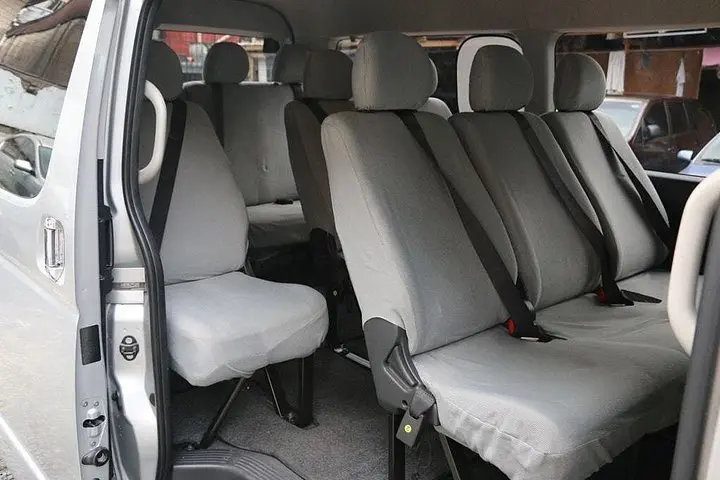
The morning air in El Nido smells like diesel and sea salt as your driver slides the doors open and gestures toward a polished Toyota Grandia. Bags clatter into the undercarriage with practiced ease; the van settles on the shoulder, engine humming like a patient animal ready for a long walk. You pull away from the limestone spires that frame El Nido’s bay and the road unfurls southward — a measured ribbon of asphalt that threads through karst ridges, sleepy coastal villages, and broad rice flats.
The morning air in El Nido smells like diesel and sea salt as your driver slides the doors open and gestures toward a polished Toyota Grandia. Bags clatter into the undercarriage with practiced ease; the van settles on the shoulder, engine humming like a patient animal ready for a long walk. You pull away from the limestone spires that frame El Nido’s bay and the road unfurls southward — a measured ribbon of asphalt that threads through karst ridges, sleepy coastal villages, and broad rice flats.
This is not a race; it’s a transit through Palawan’s geography and history. The island is a geological half-century of uplifted coral and limestone, and the road exposes cliffs that were once seabeds. Midway, drivers often pause at small stands for coconut juice or to stretch legs beneath a canopy of mangroves. There’s a chance to add a two-hour detour to the Puerto Princesa Subterranean River — a UNESCO site that offers a dramatic contrast to the sun-drenched coast, where an underground river winds through cathedral-like caverns.
Culturally, the route crosses communities shaped by fishing and farming, punctuated by modern hotels nearer Puerto Princesa. English is widely spoken by drivers and staff; conversations in the van often revolve around boat times, flight schedules, and the best bay for snorkeling. The private transfer uses vans like Toyota Grandia, Commuter, and Nissan NV350 with air conditioning, luggage compartments, and seating for up to eight — a straightforward option for travelers who prioritize comfort and timing.
Practical matters matter: transfers typically run 5–6 hours depending on traffic and stops, and operators include 2–3 mandatory short breaks. Allow ample buffer if you have a flight — drivers will not be responsible for missed departures. Wheelchair-accessible options are listed, but confirm pickup logistics in advance; hotels outside Corong‑Corong may require a meeting at the bus terminal. Bring local cash for roadside snacks, and expect tolls or small fees at stops.
For the journey, pack motion-sickness remedies if you’re prone to car nausea, and dress in layers — the air‑conditioned van can feel chilly compared with the tropical sun outside. Keep your travel documents handy if you plan the underground river stop; permits and timing are best arranged ahead of time. Finally, treat the transfer as part of the trip: there are coastal lookouts and roadside fruit stands worth the short pauses. Whether you’re moving south to a flight out of Puerto Princesa or resetting your base for further island-hopping, this private van transfer is a measured, comfortable way to traverse Palawan’s changing landscapes.