
El Palmar National Park: Yatay Palm Savanna Wildlife & Trails Admission
Explore a palm-dotted savanna where yatay palms shade bird-filled trails and riverside viewpoints. This admission ticket gives you access to easy walks, wildlife watching, and historic sites along the Uruguay River.
An Adventure In Colón.
Explore a palm-dotted savanna where yatay palms shade bird-filled trails and riverside viewpoints. This admission ticket gives you access to easy walks, wildlife watching, and historic sites along the Uruguay River.
Read the full experience
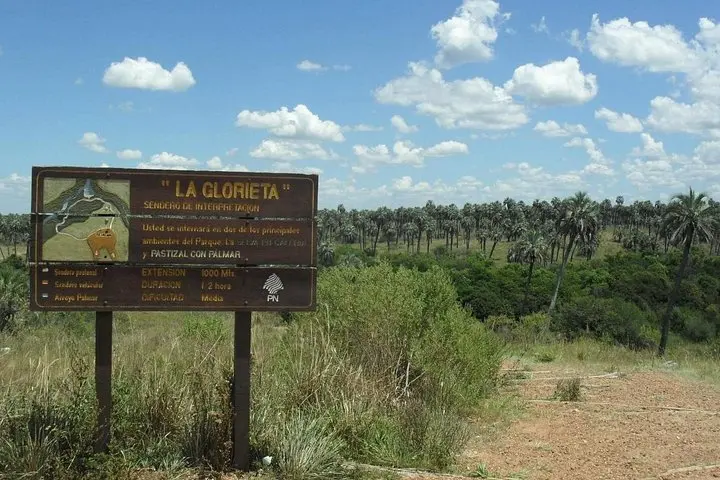
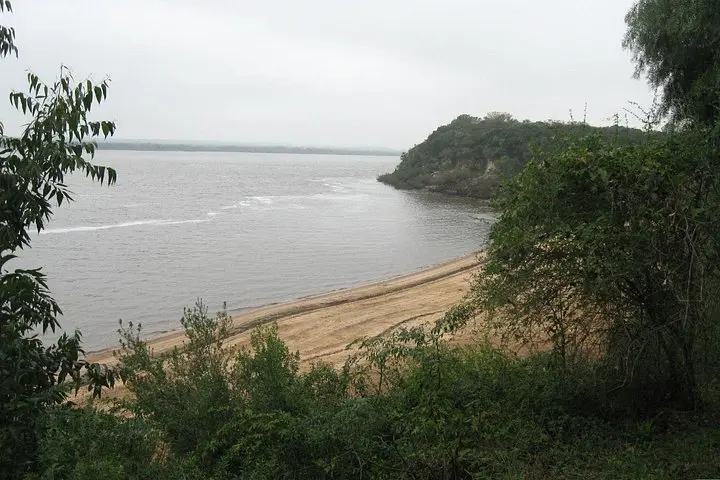
You step from the Visitor Center onto flat grassland where yatay palms throw dappled shade and the river calls you toward its sandy banks. A breeze moves through the palms like a low conversation; birds punctuate that talk with clacks and whistles. Trails fan out—pedestrian circuits, vehicle tracks, and short descents to viewpoint ledges above the Uruguay and Los Loros streams.
You step from the Visitor Center onto flat grassland where yatay palms throw dappled shade and the river calls you toward its sandy banks. A breeze moves through the palms like a low conversation; birds punctuate that talk with clacks and whistles. Trails fan out—pedestrian circuits, vehicle tracks, and short descents to viewpoint ledges above the Uruguay and Los Loros streams.
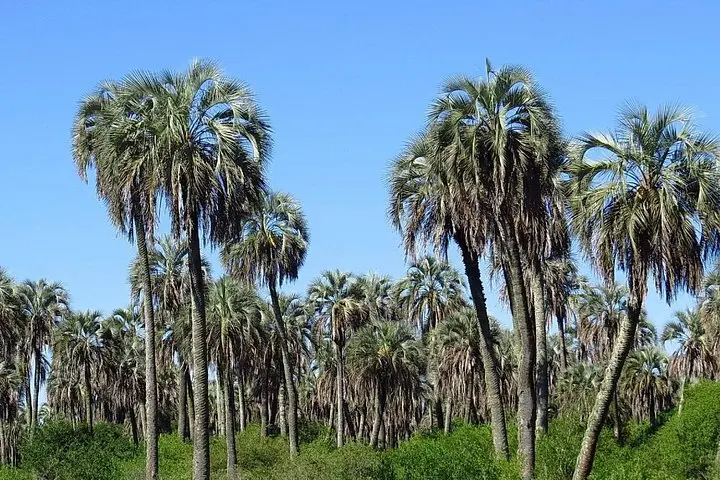
The landscape here is dominated by Yatay palms, a remnant of subtropical savanna that survived shifting rivers and shifting land use. The park protects cultural traces — an estancia district and the Calera del Palmar historic lime works — and a living geology of alluvial plains shaped by the Uruguay River’s seasonal moods. Locals value the park for traditional cattle ranching history and bird-watching culture that foregrounds species like colored hawks and parrots.
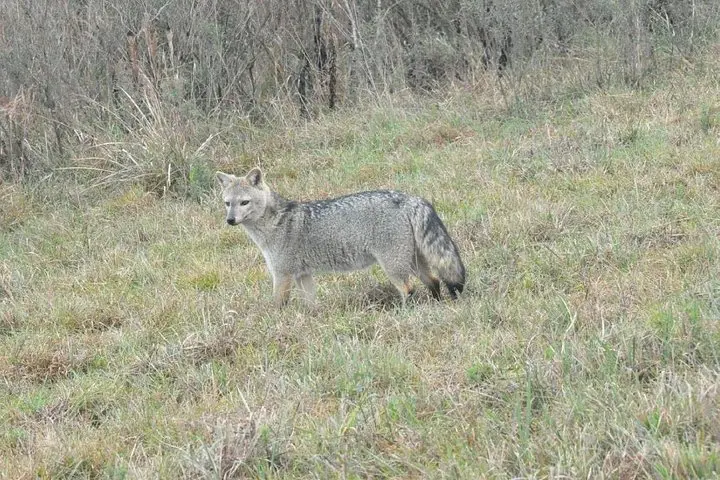
Practically, the park is approachable: trails range from easy boardwalks to rougher vehicle tracks suitable for cycling. Wildlife watching is best at dawn and dusk; capybaras gather near waterways in late afternoon while nocturnal mammals like vizcachas appear after dark. Visitor services include accessible gardens, a lifeguarded beach in January–February, and clearly signed viewpoints.
Plan a daylight visit with sun protection, water, and binoculars. Expect flat terrain but uneven surfaces near stream viewpoints. Respect seasonal rules: lifeguards on monitored beaches only in midsummer months, and stick to marked trails to minimize disturbance. An admission ticket opens a flexible day of wildlife, short hikes, and river views in one of Entre Ríos’ most evocative palm savannas.
Frequently asked questions
Tickets allow day access; visitors commonly spend from an hour to a full day exploring trails, viewpoints and the beach area when open.
Some gardens and municipal historic areas are accessible; however, many natural trails are uneven—check Visitor Center for specific accessible routes.
There is a monitored beach with lifeguard service during January and February; swimming elsewhere is at your own risk and conditions vary.
Yes—early morning and sunset are best for species such as woodpeckers, parrots and colorful hawks, and there are dedicated bird observatories in the park.
About This Experience
Azul Latina Travel operates guided outdoor trips and adventures with an emphasis on safety, stewardship, and memorable experiences.
Adventure tips
Recommended gear
- Sturdy walking shoes: Provides traction on grass, mud and uneven stream edges.
- Water bottle (1–2 L): Hydration is important across seasons, especially in summer.
- Binoculars: Necessary for birdwatching and scanning riverbanks for capybaras and deer.
- Sun protection (hat & sunscreen): Open savanna offers little shade outside palm clusters—protect exposed skin.
Photos of the experience
Related adventures & guides
Read the full experience
You step from the Visitor Center onto flat grassland where yatay palms throw dappled shade and the river calls you toward its sandy banks. A breeze moves through the palms like a low conversation; birds punctuate that talk with clacks and whistles. Trails fan out—pedestrian circuits, vehicle tracks, and short descents to viewpoint ledges above the Uruguay and Los Loros streams.
You step from the Visitor Center onto flat grassland where yatay palms throw dappled shade and the river calls you toward its sandy banks. A breeze moves through the palms like a low conversation; birds punctuate that talk with clacks and whistles. Trails fan out—pedestrian circuits, vehicle tracks, and short descents to viewpoint ledges above the Uruguay and Los Loros streams.
The landscape here is dominated by Yatay palms, a remnant of subtropical savanna that survived shifting rivers and shifting land use. The park protects cultural traces — an estancia district and the Calera del Palmar historic lime works — and a living geology of alluvial plains shaped by the Uruguay River’s seasonal moods. Locals value the park for traditional cattle ranching history and bird-watching culture that foregrounds species like colored hawks and parrots.
Practically, the park is approachable: trails range from easy boardwalks to rougher vehicle tracks suitable for cycling. Wildlife watching is best at dawn and dusk; capybaras gather near waterways in late afternoon while nocturnal mammals like vizcachas appear after dark. Visitor services include accessible gardens, a lifeguarded beach in January–February, and clearly signed viewpoints.
Plan a daylight visit with sun protection, water, and binoculars. Expect flat terrain but uneven surfaces near stream viewpoints. Respect seasonal rules: lifeguards on monitored beaches only in midsummer months, and stick to marked trails to minimize disturbance. An admission ticket opens a flexible day of wildlife, short hikes, and river views in one of Entre Ríos’ most evocative palm savannas.
Make a day of it nearby.
Verified experiences and guided adventures in the surrounding area.