THE ADVENTURE COLLECTIVE® · Independent discovery and booking for outdoor travel

Arrive before sunrise to watch more than 80 geysers exhale into the thin Andean air and explore steaming fumaroles high on the altiplano. This early‑morning tour from San Pedro de Atacama mixes geology, local culture and practical logistics for a memorable, accessible high‑altitude outing.
Arrive before sunrise to watch more than 80 geysers exhale into the thin Andean air and explore steaming fumaroles high on the altiplano. This early‑morning tour from San Pedro de Atacama mixes geology, local culture and practical logistics for a memorable, accessible high‑altitude outing.
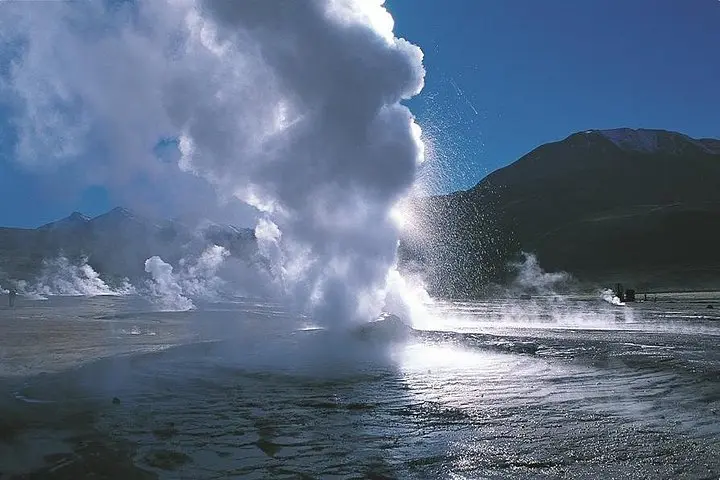
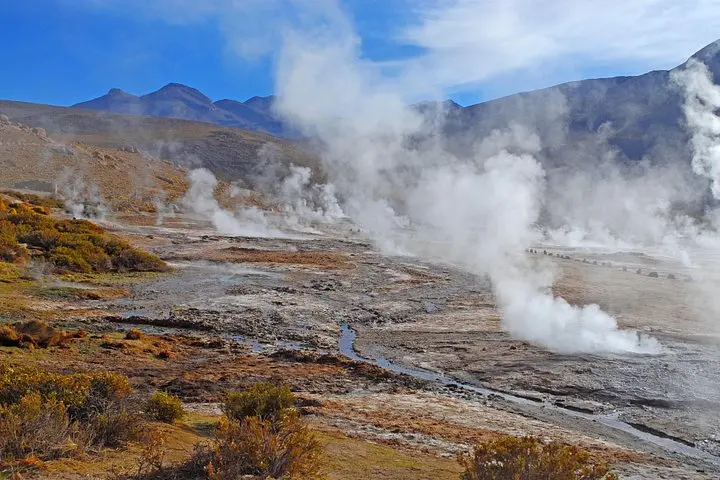
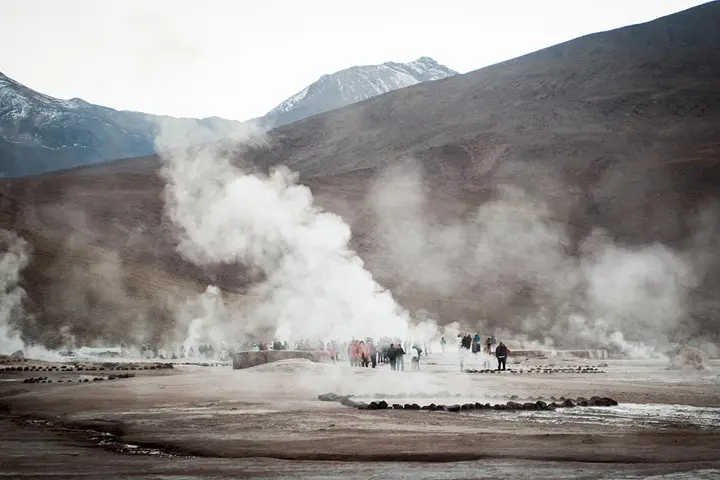
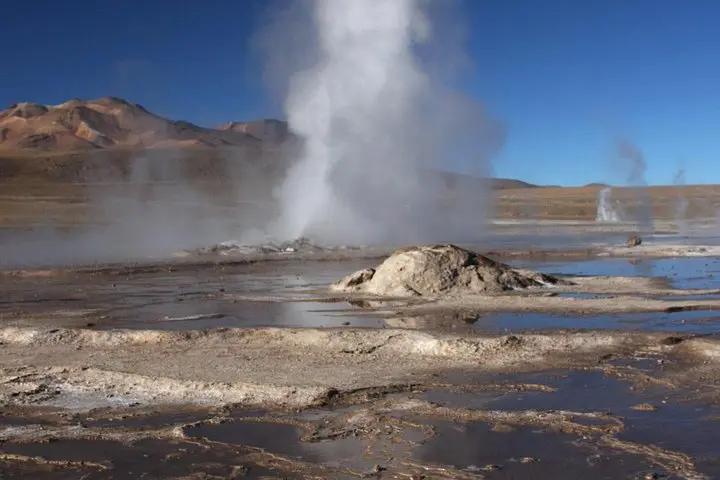
Before dawn the minivan slips north across the altiplano and the Andes begin to loom — black at first, then edged in cold light. By the time you crest the last pass, steam is already staking columns into the thin air: El Tatio’s more than 80 fumaroles and geysers exhale in white ranks, their breath daring you closer in the blue-hushed morning.
Verified experiences and guided adventures in the surrounding area.
Operated by Gray Line Chile · San Pedro de Atacama, Antofagasta Region
Before dawn the minivan slips north across the altiplano and the Andes begin to loom — black at first, then edged in cold light. By the time you crest the last pass, steam is already staking columns into the thin air: El Tatio’s more than 80 fumaroles and geysers exhale in white ranks, their breath daring you closer in the blue-hushed morning.
The field sits above 4,200 meters (about 14,000 feet), where geothermal heat meets groundwater to produce spectacular eruptions and mineral terraces. Volcanic peaks ring the basin; the region’s geology is a record of subduction, magma and ancient lakes. Human history is visible too: small Atacameño settlements and the adobe hamlet of Machuca recall centuries of high‑Andean pastoral life. Try a llama empanada there and inspect the simple wooden church for a sense of local rhythm.
Practicalities shape the day: hotel pickup begins before sunrise (roughly 04:30–05:40 depending on season), the drive is 1.5–2 hours each way, and the full trip runs about 7–8 hours. Breakfast is provided on-site after exploring the field for roughly two hours. Bring cash for entrance fees and extras; pools are hot and not recommended for young children. Altitude is the real challenge — hydrate, move slowly, and carry any medications you need.
Expect cold, intense sun once daylight strengthens, rocky boardwalks and short walking loops between vents, and an otherworldly landscape that feels active and immediate. Stay on marked paths, layer up, and plan for an early morning that rewards patience with raw, steam-lit views of earth at work.
Pickup is before dawn (roughly 04:30–05:40 depending on season) so you arrive at El Tatio at sunrise when steam columns are most dramatic; roads and lighting make early travel necessary.
Yes, an entrance fee is required and is commonly paid in cash (Chilean pesos) at the site — bring small bills for convenience.
Some thermal pools are used by visitors but water temperatures can be dangerously hot; pools are not recommended for children under 10 and you should follow guide instructions closely.
El Tatio sits around 4,200 m (14,000 ft). Allow time in San Pedro to acclimatize, stay hydrated, avoid alcohol before the tour, and carry medication if you are susceptible to altitude sickness.
Gray Line Chile operates guided outdoor trips and adventures with an emphasis on safety, stewardship, and memorable experiences.
Before dawn the minivan slips north across the altiplano and the Andes begin to loom — black at first, then edged in cold light. By the time you crest the last pass, steam is already staking columns into the thin air: El Tatio’s more than 80 fumaroles and geysers exhale in white ranks, their breath daring you closer in the blue-hushed morning.
Before dawn the minivan slips north across the altiplano and the Andes begin to loom — black at first, then edged in cold light. By the time you crest the last pass, steam is already staking columns into the thin air: El Tatio’s more than 80 fumaroles and geysers exhale in white ranks, their breath daring you closer in the blue-hushed morning.
The field sits above 4,200 meters (about 14,000 feet), where geothermal heat meets groundwater to produce spectacular eruptions and mineral terraces. Volcanic peaks ring the basin; the region’s geology is a record of subduction, magma and ancient lakes. Human history is visible too: small Atacameño settlements and the adobe hamlet of Machuca recall centuries of high‑Andean pastoral life. Try a llama empanada there and inspect the simple wooden church for a sense of local rhythm.
Practicalities shape the day: hotel pickup begins before sunrise (roughly 04:30–05:40 depending on season), the drive is 1.5–2 hours each way, and the full trip runs about 7–8 hours. Breakfast is provided on-site after exploring the field for roughly two hours. Bring cash for entrance fees and extras; pools are hot and not recommended for young children. Altitude is the real challenge — hydrate, move slowly, and carry any medications you need.
Expect cold, intense sun once daylight strengthens, rocky boardwalks and short walking loops between vents, and an otherworldly landscape that feels active and immediate. Stay on marked paths, layer up, and plan for an early morning that rewards patience with raw, steam-lit views of earth at work.