THE ADVENTURE COLLECTIVE® · Independent discovery and booking for outdoor travel

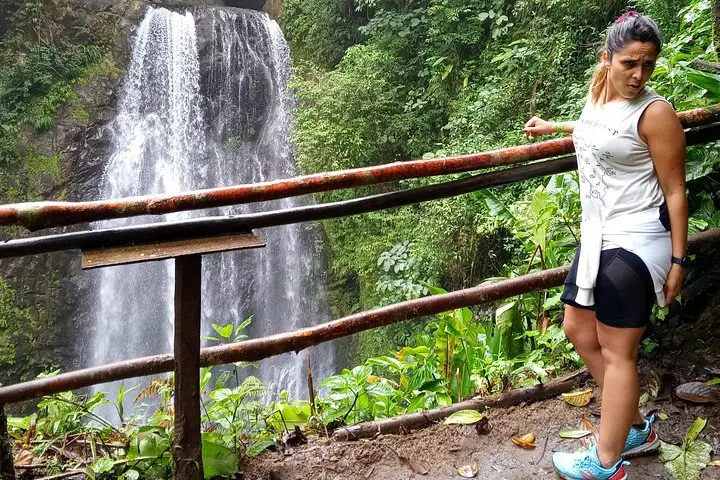
Cross swaying hanging bridges, trace rushing cascades, and move through cloud-touched rainforest on the El Tigre Waterfalls Hike. This guided, moderate trek in the Tilarán range combines waterfall viewpoints with wildlife-rich forest and options to shorten the toughest sections by jeep or horseback.
Cross swaying hanging bridges, trace rushing cascades, and move through cloud-touched rainforest on the El Tigre Waterfalls Hike. This guided, moderate trek in the Tilarán range combines waterfall viewpoints with wildlife-rich forest and options to shorten the toughest sections by jeep or horseback.
Fog clings to the Tilarán ridgeline as you step onto a swaying hanging bridge and the river below dares you closer. The trail vaults through a living green—moss-draped trees, drips from broadleaf canopies, and the constant percussion of falling water—each waterfall a page turned in a rainforest story.
Verified experiences and guided adventures in the surrounding area.
Operated by Travel to Monteverde · Santa Elena, Guanacaste/ Puntarenas region
Fog clings to the Tilarán ridgeline as you step onto a swaying hanging bridge and the river below dares you closer. The trail vaults through a living green—moss-draped trees, drips from broadleaf canopies, and the constant percussion of falling water—each waterfall a page turned in a rainforest story.
The route threads the eastern flank of the Tilarán Range, where volcanic uplift and persistent rainfall carved steep valleys and sculpted cascades. Monteverde’s rise as a conservation stronghold in the 1970s helped protect these forest corridors; cattle and coffee communities around Santa Elena traded some pasture for preservation, shaping the modern trail network and local guiding traditions.
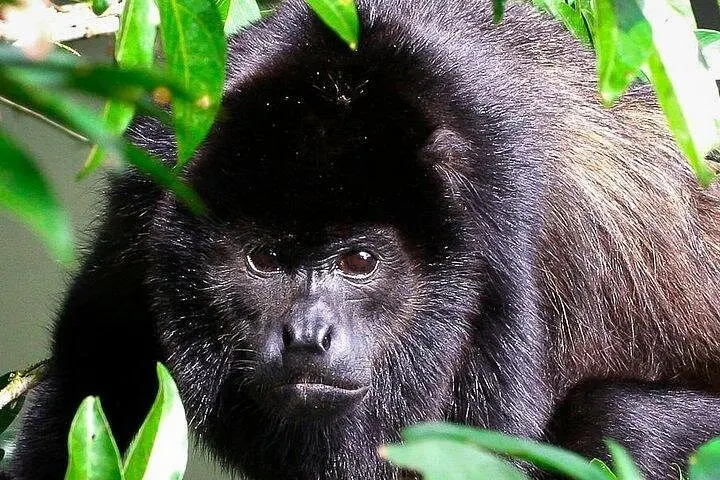
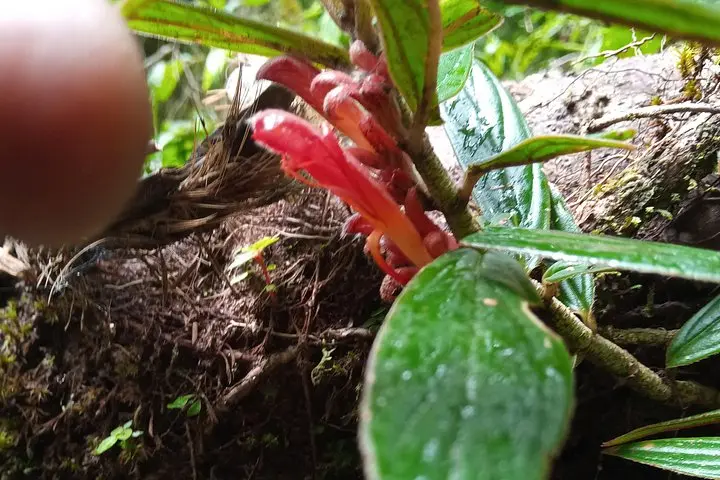
Expect slick roots, short uphill bursts, and several hanging bridges that amplify the experience—both a practical crossing and a thrill point. Naturalist guides point out epiphytes, leaf-cutting ants, and the occasional resplendent quetzal or toucan, translating the forest’s quiet chemistry into visible stories.
Practically: the commonly guided portion runs about 3–4 hours on foot with moderate elevation changes; steeper segments can be shortened by jeep or horseback. Trails are muddy in the rainy season and packed with leeches and afternoon showers; mornings are best for bird activity and firmer footing. Entrance fee and basic optic gear may be included; bring layered, quick-drying clothing, sturdy boots, rain protection, and water.
This is a moderate, sensory-rich rainforest hike—equal parts geology, wildlife viewing, and straightforward outdoor work—best tackled with a guide and a preparedness mindset.
Guided walks commonly last 3–4 hours on varied terrain with short steep sections—considered moderate; options exist to shorten by jeep or horseback.
The trail is not recommended for travelers with significant spine or heart problems; children able to handle uneven terrain may join with supervision.
Tours are guided by a naturalist; some bookings include basic optical gear but check inclusion details before you book.
Morning sessions are best for bird activity and firmer trails; the wet season brings heavy afternoon rain and muddier conditions.
Travel to Monteverde operates guided outdoor trips and adventures with an emphasis on safety, stewardship, and memorable experiences.
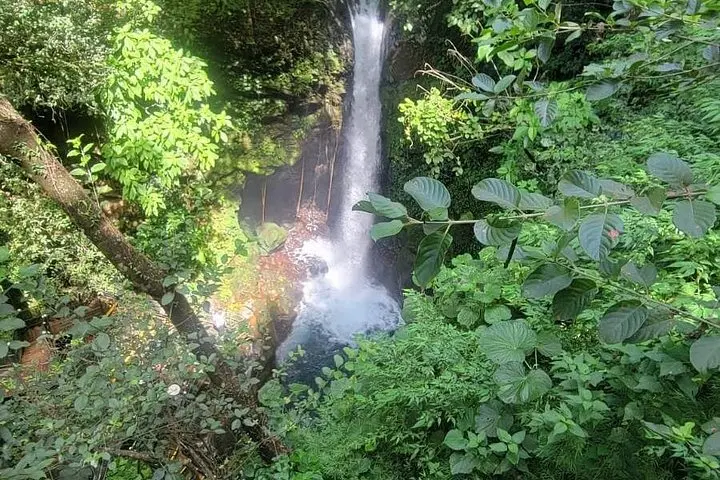
Fog clings to the Tilarán ridgeline as you step onto a swaying hanging bridge and the river below dares you closer. The trail vaults through a living green—moss-draped trees, drips from broadleaf canopies, and the constant percussion of falling water—each waterfall a page turned in a rainforest story.
Fog clings to the Tilarán ridgeline as you step onto a swaying hanging bridge and the river below dares you closer. The trail vaults through a living green—moss-draped trees, drips from broadleaf canopies, and the constant percussion of falling water—each waterfall a page turned in a rainforest story.
The route threads the eastern flank of the Tilarán Range, where volcanic uplift and persistent rainfall carved steep valleys and sculpted cascades. Monteverde’s rise as a conservation stronghold in the 1970s helped protect these forest corridors; cattle and coffee communities around Santa Elena traded some pasture for preservation, shaping the modern trail network and local guiding traditions.
Expect slick roots, short uphill bursts, and several hanging bridges that amplify the experience—both a practical crossing and a thrill point. Naturalist guides point out epiphytes, leaf-cutting ants, and the occasional resplendent quetzal or toucan, translating the forest’s quiet chemistry into visible stories.
Practically: the commonly guided portion runs about 3–4 hours on foot with moderate elevation changes; steeper segments can be shortened by jeep or horseback. Trails are muddy in the rainy season and packed with leeches and afternoon showers; mornings are best for bird activity and firmer footing. Entrance fee and basic optic gear may be included; bring layered, quick-drying clothing, sturdy boots, rain protection, and water.
This is a moderate, sensory-rich rainforest hike—equal parts geology, wildlife viewing, and straightforward outdoor work—best tackled with a guide and a preparedness mindset.