THE ADVENTURE COLLECTIVE® · Independent discovery and booking for outdoor travel

A long‑day excursion from Heraklion that delivers shallow turquoise lagoons, distinctive pink‑tinted sand, and reliable snorkeling. This guide covers what to expect on the road, what to pack, and how to make the most of your four hours on the beach.
A long‑day excursion from Heraklion that delivers shallow turquoise lagoons, distinctive pink‑tinted sand, and reliable snorkeling. This guide covers what to expect on the road, what to pack, and how to make the most of your four hours on the beach.
The bus eases out of Heraklion before dawn and the island opens up like a map of light and scrub—olive groves sliding past, the road narrowing as mountains fall toward the sea. By midday you arrive at Elafonisi: a low islet joined to Crete by a 200‑metre sandbar, its shallow lagoon daring you into waist‑deep turquoise water and sand shot through with tiny pink shell fragments.
Verified experiences and guided adventures in the surrounding area.
Operated by Status MLB Travel Agency · Elafonisi, Crete
The bus eases out of Heraklion before dawn and the island opens up like a map of light and scrub—olive groves sliding past, the road narrowing as mountains fall toward the sea. By midday you arrive at Elafonisi: a low islet joined to Crete by a 200‑metre sandbar, its shallow lagoon daring you into waist‑deep turquoise water and sand shot through with tiny pink shell fragments.
Geology here is blunt and honest: limestone cliffs and worn pebbles feed the sand, while shell fragments from local bivalves lend the shore its rose tint. The area sits inside an EU Natura 2000 reserve; it has been a waypoint for fishermen and Venetian mariners and still hosts seasonal migratory birds along its marshy edges.
Expect beach time to be the focus—swimming, snorkeling in calm water no deeper than a meter, and slow walks across the sandbar to the islet. Facilities are basic but useful: sunloungers, umbrellas, and a cafeteria. The tour from Heraklion is long (11–14 hours total) because most of that time is bus travel; the scheduled on‑beach window is typically about four hours, enough for a solid swim and a short hike to nearby dunes.
Practical tips: carry reef shoes for sharp shells, high‑SPF sunscreen (there’s little shade), a refillable water bottle, and a light cover‑up for the return trip. Respect the protected zones—no shell collecting or driving on dunes—and time your visit for morning or late afternoon to avoid peak sun and crowds.
Depending on pick‑up location the full tour can be 11–14 hours with roughly 4 hours of beach time; driving from Heraklion to Elafonisi is around 3–4 hours each way with stops.
The lagoon surrounding Elafonisi is very shallow—often under 1 meter—making it suitable for children under supervision and for easy snorkeling.
Yes—there are sunloungers, umbrellas, and a cafeteria offering snacks and refreshments, but options are basic so bring any special food or drinks you need.
Snorkeling is common; many operators recommend bringing your own mask and snorkel—some tours or local vendors may rent gear but availability is not guaranteed.
Status MLB Travel Agency operates guided outdoor trips and adventures with an emphasis on safety, stewardship, and memorable experiences.
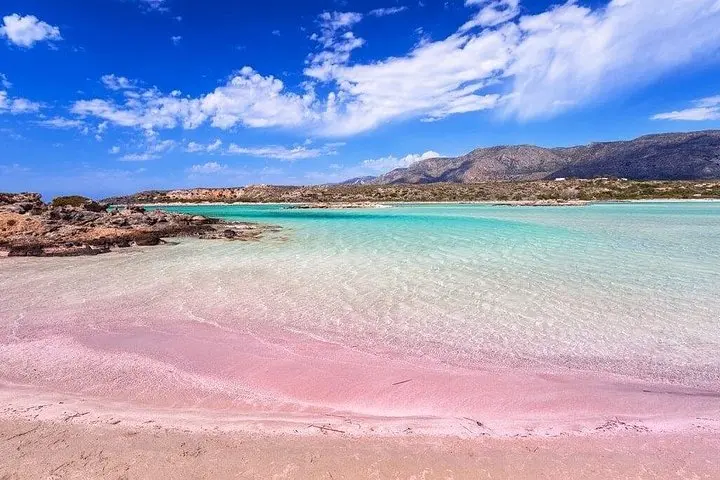
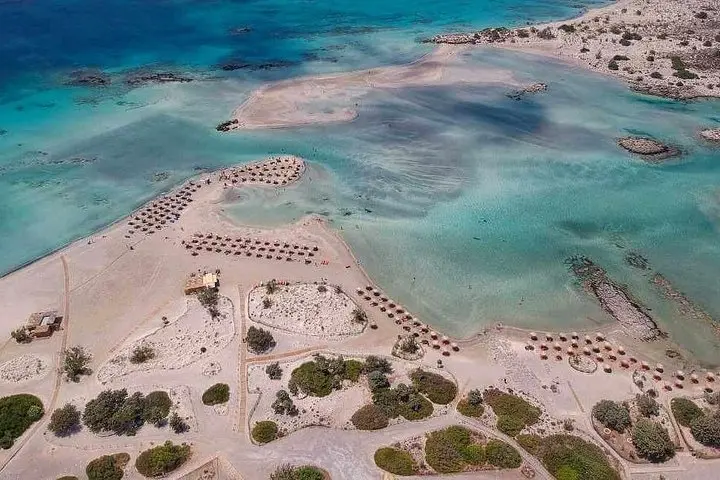
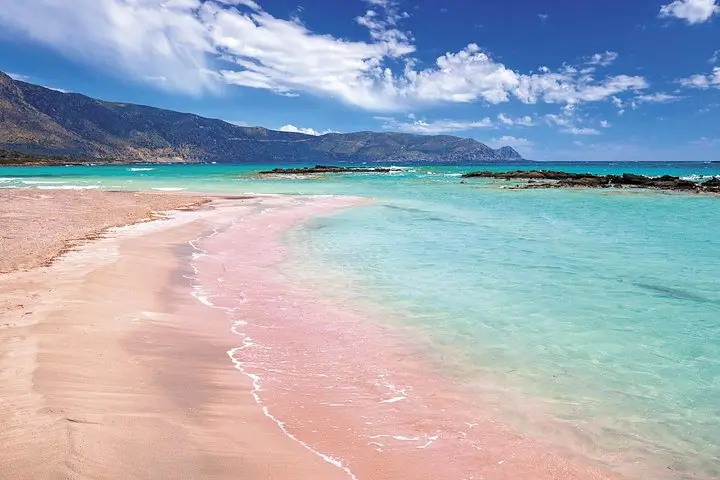
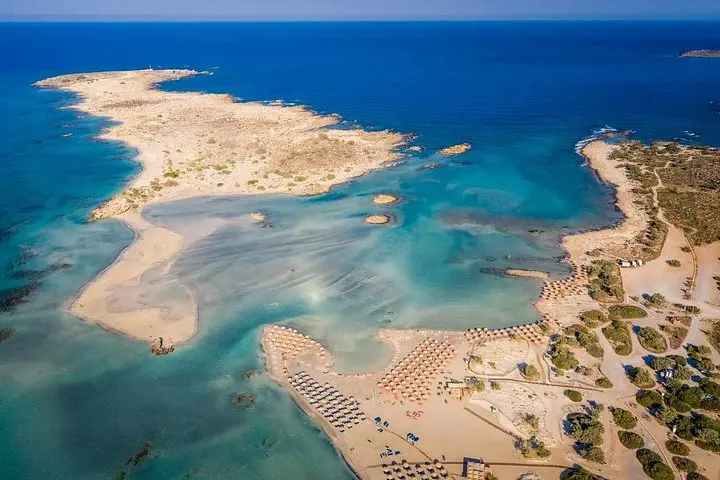
The bus eases out of Heraklion before dawn and the island opens up like a map of light and scrub—olive groves sliding past, the road narrowing as mountains fall toward the sea. By midday you arrive at Elafonisi: a low islet joined to Crete by a 200‑metre sandbar, its shallow lagoon daring you into waist‑deep turquoise water and sand shot through with tiny pink shell fragments.
The bus eases out of Heraklion before dawn and the island opens up like a map of light and scrub—olive groves sliding past, the road narrowing as mountains fall toward the sea. By midday you arrive at Elafonisi: a low islet joined to Crete by a 200‑metre sandbar, its shallow lagoon daring you into waist‑deep turquoise water and sand shot through with tiny pink shell fragments.
Geology here is blunt and honest: limestone cliffs and worn pebbles feed the sand, while shell fragments from local bivalves lend the shore its rose tint. The area sits inside an EU Natura 2000 reserve; it has been a waypoint for fishermen and Venetian mariners and still hosts seasonal migratory birds along its marshy edges.
Expect beach time to be the focus—swimming, snorkeling in calm water no deeper than a meter, and slow walks across the sandbar to the islet. Facilities are basic but useful: sunloungers, umbrellas, and a cafeteria. The tour from Heraklion is long (11–14 hours total) because most of that time is bus travel; the scheduled on‑beach window is typically about four hours, enough for a solid swim and a short hike to nearby dunes.
Practical tips: carry reef shoes for sharp shells, high‑SPF sunscreen (there’s little shade), a refillable water bottle, and a light cover‑up for the return trip. Respect the protected zones—no shell collecting or driving on dunes—and time your visit for morning or late afternoon to avoid peak sun and crowds.