THE ADVENTURE COLLECTIVE® · Independent discovery and booking for outdoor travel

A full-day tour from Chania takes you to Elafonisi’s shallow turquoise lagoon and its famous pink-tinged sand. This practical guide covers what to expect, local context, and smart tips for enjoying the protected beach responsibly.
A full-day tour from Chania takes you to Elafonisi’s shallow turquoise lagoon and its famous pink-tinged sand. This practical guide covers what to expect, local context, and smart tips for enjoying the protected beach responsibly.
You step off the bus and the world opens into pale sand and a low, shallow lagoon that hums with heat and light.
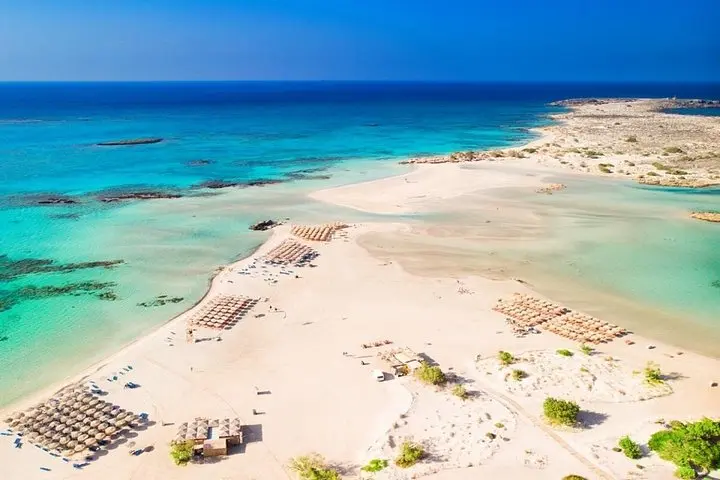
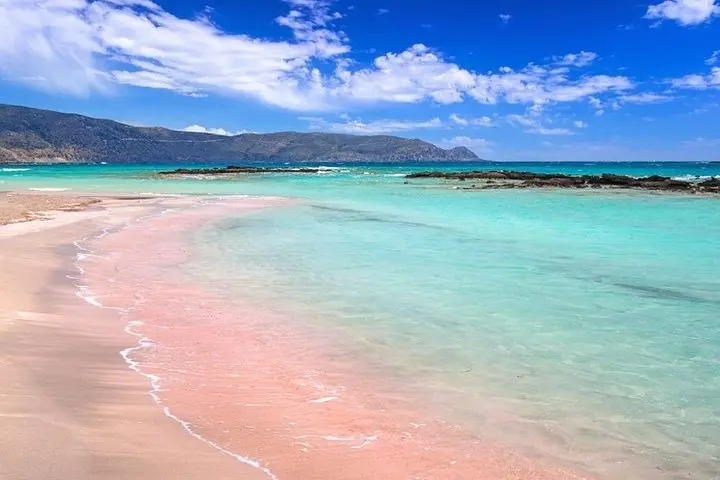
The shallow water laps at the pink-tinged shoreline; wind-twisted junipers and low dunes frame the narrow causeway that sometimes looks like an island split in two. The air smells faintly of salt and crushed shell.
Verified experiences and guided adventures in the surrounding area.
Operated by TravelPath AllcreteTours · Chania, Crete
You step off the bus and the world opens into pale sand and a low, shallow lagoon that hums with heat and light.
The shallow water laps at the pink-tinged shoreline; wind-twisted junipers and low dunes frame the narrow causeway that sometimes looks like an island split in two. The air smells faintly of salt and crushed shell.
Elafonisi sits on Crete’s southwest edge and is part of the Natura 2000 network: a protected dune system where sand lilies and junipers hold the soils and endangered loggerhead turtles (Caretta‑caretta) sometimes nest. Geologically the area is coastal alluvium and marine sand, with pink hues from pulverized shells and coral fragments. Historically this stretch of Crete has been shaped by Venetian and Ottoman trade routes, small fishing hamlets and subsistence grazing—today the culture is a mix of rural Cretan life and seaside tourism.
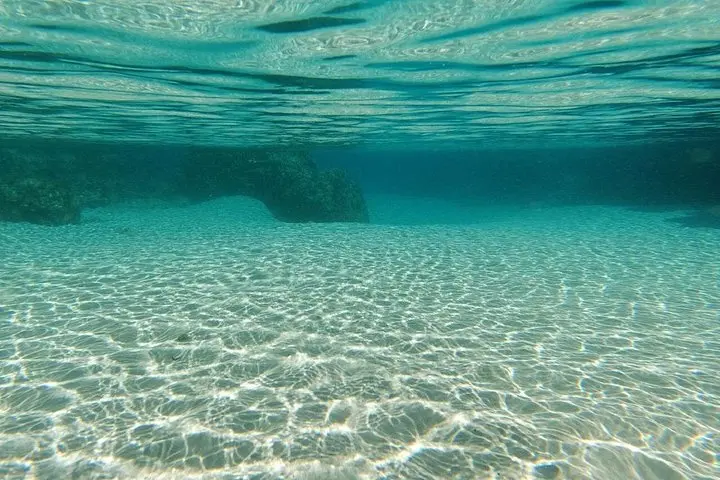
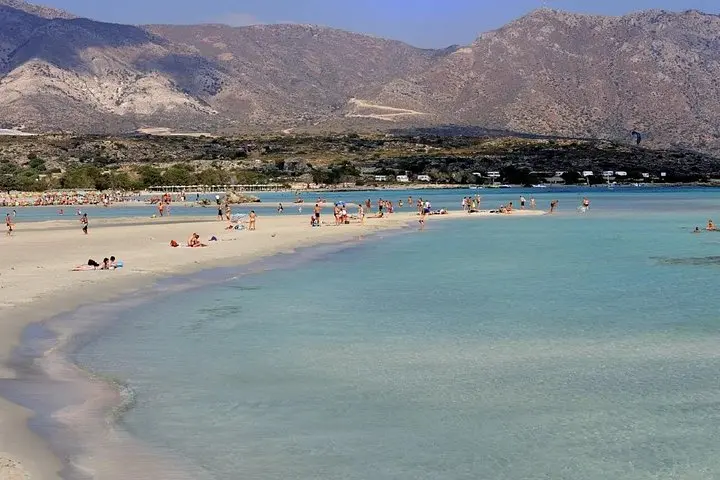
On a day tour from Chania you'll get a long beach stop for swimming, walking across the shallow lagoon to the “island,” and time for lunch and photos. Expect broad sandy flats, pockets of dunes, and shallow water that rarely exceeds a meter near the sandbar—perfect for calm swimming and children.
Practical guidance: arrive early or late in high season to avoid crowds, protect the dunes and nesting areas by following signs, bring reef shoes for rocky patches, and pack sun protection and plenty of water. The area is easy on fitness but fragile ecologically—leave no trace and respect seasonal closures for wildlife.
Most day tours include around 4–5 hours at Elafonisi for swimming, walking to the islet, and lunch time.
Yes—near the sandbar the water is usually under 1 meter, creating calm lagoons ideal for kids under supervision.
Limited seasonal kiosks or cafés operate near the main beach; tours often include a lunch stop or allow time to eat at local vendors.
No—Elafonisi is a protected area; removing shells, plants or disturbing nesting sites is prohibited to protect local wildlife.
TravelPath AllcreteTours operates guided outdoor trips and adventures with an emphasis on safety, stewardship, and memorable experiences.
You step off the bus and the world opens into pale sand and a low, shallow lagoon that hums with heat and light.
The shallow water laps at the pink-tinged shoreline; wind-twisted junipers and low dunes frame the narrow causeway that sometimes looks like an island split in two. The air smells faintly of salt and crushed shell.
Elafonisi sits on Crete’s southwest edge and is part of the Natura 2000 network: a protected dune system where sand lilies and junipers hold the soils and endangered loggerhead turtles (Caretta‑caretta) sometimes nest. Geologically the area is coastal alluvium and marine sand, with pink hues from pulverized shells and coral fragments. Historically this stretch of Crete has been shaped by Venetian and Ottoman trade routes, small fishing hamlets and subsistence grazing—today the culture is a mix of rural Cretan life and seaside tourism.
On a day tour from Chania you'll get a long beach stop for swimming, walking across the shallow lagoon to the “island,” and time for lunch and photos. Expect broad sandy flats, pockets of dunes, and shallow water that rarely exceeds a meter near the sandbar—perfect for calm swimming and children.
Practical guidance: arrive early or late in high season to avoid crowds, protect the dunes and nesting areas by following signs, bring reef shoes for rocky patches, and pack sun protection and plenty of water. The area is easy on fitness but fragile ecologically—leave no trace and respect seasonal closures for wildlife.