THE ADVENTURE COLLECTIVE® · Independent discovery and booking for outdoor travel

Turn spring break into a week of hands-on discovery on the Indian River Lagoon. ELC Spring Break Camp 2026 uses mangroves, seagrass flats, and guided field work to spark kids' curiosity and stewardship.
Turn spring break into a week of hands-on discovery on the Indian River Lagoon. ELC Spring Break Camp 2026 uses mangroves, seagrass flats, and guided field work to spark kids' curiosity and stewardship.
Book with Environmental Learning Center
Verified experiences and guided adventures in the surrounding area.
364 ratings
Operated by Environmental Learning Center · Vero Beach, Florida
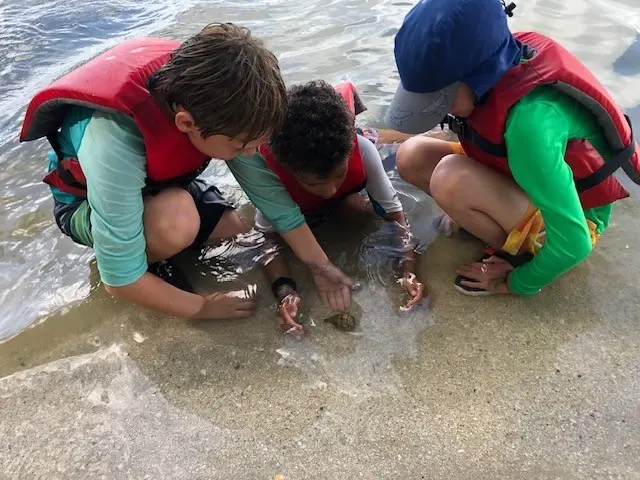
On the edge of the Indian River Lagoon in Vero Beach, ELC Spring Break Camp 2026 turns a week of school-free days into a field laboratory for young naturalists. Located at 255 Live Oak Dr Building A, Vero Beach, FL 32963, USA, the camp uses the shallow estuary, mangrove shorelines, and seagrass flats as outdoor classrooms where kids study living systems instead of worksheets. The Indian River Lagoon is an estuary of global importance: a long, narrow inlet of the Atlantic that supports dense seagrass beds, salt marsh, and mangrove forests. At low tide the lagoon reveals mudflats threaded with fiddler crabs; at high tide dolphins and manatees cruise near shore. Shorebirds forage along oyster bars and pelicans glide above barrier islands like nearby Pelican Island National Wildlife Refuge, established in 1903 as America's first national wildlife refuge. ELC educators guide hands-on learning that feels equal parts summer camp and field course. Expect shoreline explorations, seine-net surveys, identification of seagrass and tide-pool life, and simple water-quality tests that demonstrate how salinity, nutrients, and temperature shape estuarine communities. Activities emphasize observation, curiosity, and stewardship so neighborhood kids quickly begin to recognize mangrove roots, seagrass patches, and the telltale tracks of raccoons and wading birds. What makes this camp special is proximity: the classroom is the lagoon itself. Instead of slides or screens, campers learn taxonomy by holding a juvenile crab, sketching a whelk shell, or logging a bird sighting for a citizen-science portal. ELC's local knowledge and long history in Indian River conservation mean those lessons connect to real projects—restoration efforts, monitored seagrass beds, and community science—that shape recreational fishing, paddling, and beach habitat in the Vero Beach area. Parents and guardians will appreciate the balance of play and purpose. The day centers on movement and discovery, with shelter and shade at the ELC campus when sun or rain demands a reprieve. If you're visiting Vero Beach as a family, this camp is a chance to deepen kids' relationship with Florida's coastal ecosystems while supporting organizations that protect them. For a short, memorable immersion into estuarine life, ELC Spring Break Camp 2026 turns curiosity into knowledge and sparks stewardship that lasts beyond spring break. The instructors are trained environmental educators who frame each activity with simple science, safety, and respect for wildlife. Programming rotates through short, focused stations so kids stay engaged and wet-weather options move activities indoors without losing momentum. The camp welcomes both local families and visitors to Vero Beach, offering an accessible way to introduce children to coastal stewardship. Book early - spring break slots fill - and arrive prepared with a hat, closed-toe shoes, and curiosity; the lessons your camper learns here will echo on the beach, boat, and future hikes.
Age ranges and eligibility vary by session—check the program listing or contact the provider for specific enrollment details.
Yes—visiting families are welcome and the camp offers a practical introduction to local ecosystems for kids from out of town.
Pack a water bottle, sun protection, closed-toe shoes, a towel, and a change of clothes; label everything.
Educators teach respectful viewing and handling protocols; activities are designed to minimize disturbance and prioritize animal safety.
Programs include wet- and dry-weather plans so learning continues safely at campus shelters if conditions require it.
Camp activities often feed into local restoration and citizen-science efforts that inform seagrass and shoreline conservation in the Indian River Lagoon.
The Environmental Learning Center operates hands-on outdoor programs and guided tours focused on the coastal ecosystems of Pelican Island, the Indian River Lagoon, and Sebastian Inlet. The organization offers a variety of experiences including pontoon tours to Pelican Island National Wildlife Refuge, kayak and paddleboard rentals, guided kayak excursions, SUP yoga, nature workshops, and family- and youth-focused programs. Programs are designed for small groups and varied age ranges: Little Wonders serves children 18 months to 4 years with caregiver-led nature enrichment and early literacy activities; guided kayak excursions welcome participants aged 8 and up; several tours and classes encourage pre-registration to reserve spots. Pontoon tours emphasize wildlife viewing in an intimate setting and recommend that guests bring binoculars and snacks; the Sunset Pelican Island Pontoon Tour seats up to 16 guests for a two-hour evening experience. The Feathers & Fins Sebastian Inlet Tour highlights local birdlife and marine species during a 2.5-hour outing. The Environmental Learning Center combines outdoor education, wellness classes such as yoga and chair yoga, and seasonal events like full moon kayak trips and holiday break camps that include pontoon rides. By focusing on place-based experiences and small-group settings, the center creates opportunities for wildlife observation, creative expression, family learning, and outdoor recreation rooted in the region’s natural habitats.
Book with Environmental Learning Center