THE ADVENTURE COLLECTIVE® · Independent discovery and booking for outdoor travel

Explore Sintra-Cascais Natural Park on an assisted e-mountain bike: forested singletrack, coastal ridgelines, and quiet backroads reveal views of the Atlantic and geological contrasts few tours reach. This private 2.5-hour ride balances accessibility with real trail variety.
Explore Sintra-Cascais Natural Park on an assisted e-mountain bike: forested singletrack, coastal ridgelines, and quiet backroads reveal views of the Atlantic and geological contrasts few tours reach. This private 2.5-hour ride balances accessibility with real trail variety.
The first pedal — assisted by a quiet electric motor — carries you under a green canopy while the Atlantic keeps time in the distance. Trails narrow between cork oaks and pines, then open onto cliff-top ridgelines where the ocean slices the horizon and gulls patrol like sentries.
Verified experiences and guided adventures in the surrounding area.
Operated by Cascais Routes · Cascais, Lisbon
The first pedal — assisted by a quiet electric motor — carries you under a green canopy while the Atlantic keeps time in the distance. Trails narrow between cork oaks and pines, then open onto cliff-top ridgelines where the ocean slices the horizon and gulls patrol like sentries.
This ride threads the geological seam between coastal erosion and the older Sintra massif: granite outcrops and schist underfoot give way to sandy soil nearer the shore. Sintra-Cascais Natural Park has long been shaped by human hands as well — royal hunting grounds, small fishing villages, and 19th-century romantic estates left a patchwork of trails and stone walls. Local culture still favors a slow rhythm: fishermen mending nets, farmers tending small vineyards, and weekend riders passing a bakery for a quick bolo.
Expect mixed terrain — forest singletrack, wide dirt service roads, and short rocky sections — with plentiful viewpoints where cliffs and surf demand attention. Guides usually route groups away from the busiest tourist loops to keep the experience natural and quiet.
Practical guidance: arrive with a charged battery and a helmet fitted correctly; e-bikes extend range but don’t replace basic handling skills. Bring layered clothing for coastal wind, at least 1–1.5 liters of water, and a light repair kit. Timing matters — morning rides avoid afternoon winds and heat, while late afternoons bring softer light but cooler breezes. The tour’s private format and electric assist make it accessible to a broad range of riders while still delivering sustained, scenic mileage across one of Portugal’s most compelling coastal parks.
No — basic bike handling is sufficient; guides provide a short orientation on throttle, pedal-assist modes, and safe braking before the ride.
Expect moderate climbs and descents; the e-assist helps on steeper sections but riders should be comfortable with short, uneven ascents.
Age and weight limits may apply; check with the operator — private formats often accommodate teens but younger children may be restricted.
Tours may operate in light rain but heavy storms or unsafe trail conditions can lead to rescheduling; verify the cancellation policy when booking.
Cascais Routes operates guided outdoor trips and adventures with an emphasis on safety, stewardship, and memorable experiences.
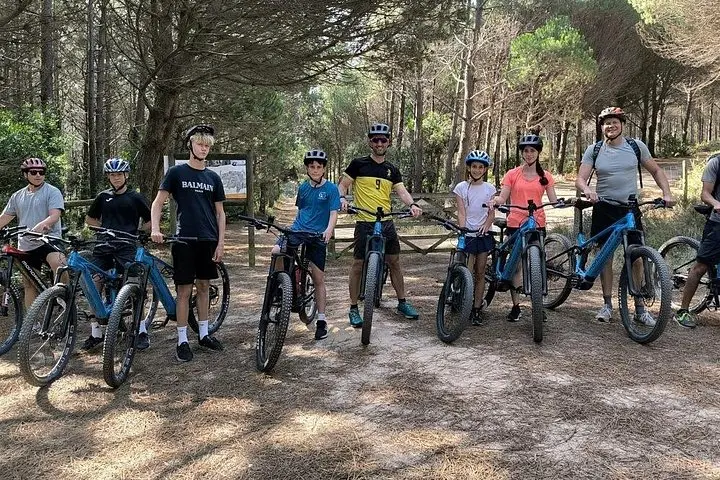
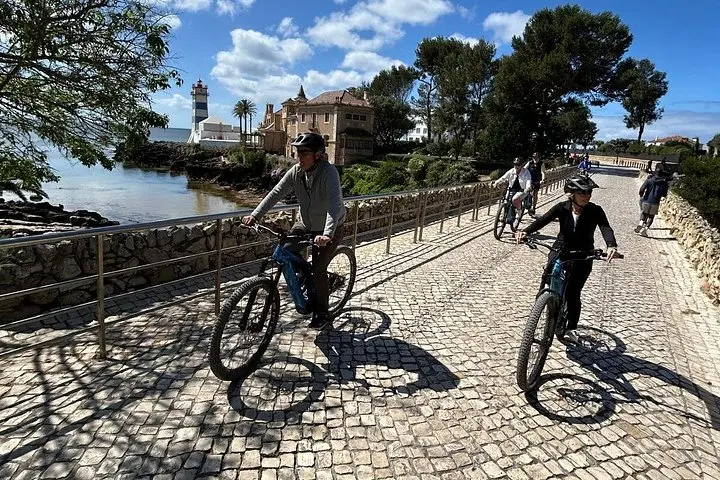
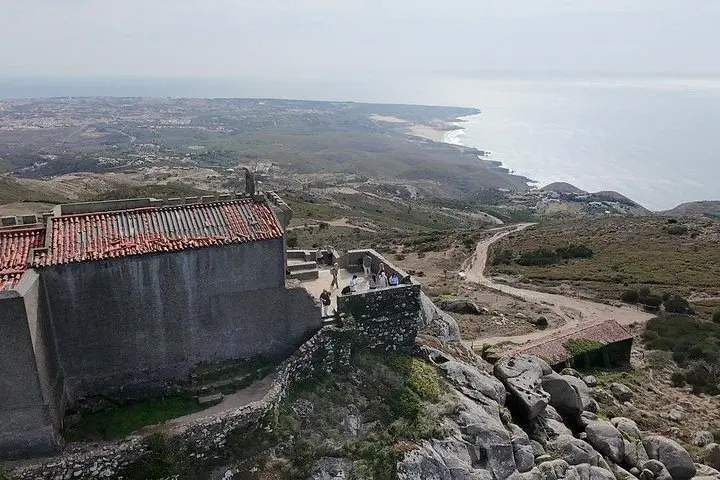
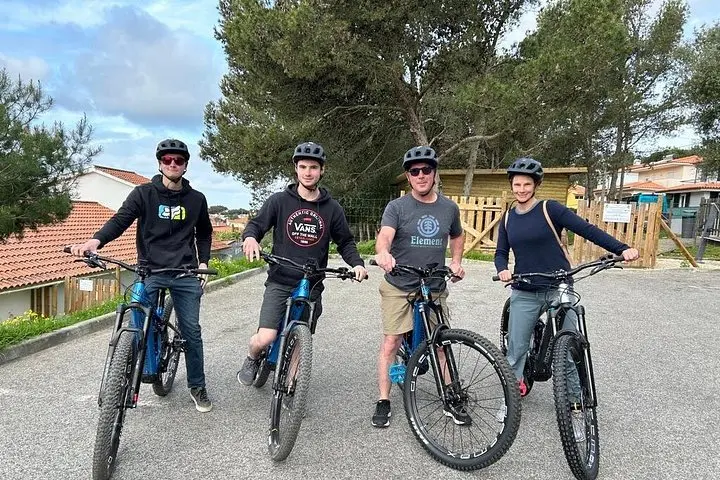
The first pedal — assisted by a quiet electric motor — carries you under a green canopy while the Atlantic keeps time in the distance. Trails narrow between cork oaks and pines, then open onto cliff-top ridgelines where the ocean slices the horizon and gulls patrol like sentries.
The first pedal — assisted by a quiet electric motor — carries you under a green canopy while the Atlantic keeps time in the distance. Trails narrow between cork oaks and pines, then open onto cliff-top ridgelines where the ocean slices the horizon and gulls patrol like sentries.
This ride threads the geological seam between coastal erosion and the older Sintra massif: granite outcrops and schist underfoot give way to sandy soil nearer the shore. Sintra-Cascais Natural Park has long been shaped by human hands as well — royal hunting grounds, small fishing villages, and 19th-century romantic estates left a patchwork of trails and stone walls. Local culture still favors a slow rhythm: fishermen mending nets, farmers tending small vineyards, and weekend riders passing a bakery for a quick bolo.
Expect mixed terrain — forest singletrack, wide dirt service roads, and short rocky sections — with plentiful viewpoints where cliffs and surf demand attention. Guides usually route groups away from the busiest tourist loops to keep the experience natural and quiet.
Practical guidance: arrive with a charged battery and a helmet fitted correctly; e-bikes extend range but don’t replace basic handling skills. Bring layered clothing for coastal wind, at least 1–1.5 liters of water, and a light repair kit. Timing matters — morning rides avoid afternoon winds and heat, while late afternoons bring softer light but cooler breezes. The tour’s private format and electric assist make it accessible to a broad range of riders while still delivering sustained, scenic mileage across one of Portugal’s most compelling coastal parks.