
Elephant Conservation and Bear Rescue Day Tour from Agra: Up-Close Wildlife Rehabilitation
Spend a day outside Agra visiting elephant and sloth bear rehabilitation centers. This private tour combines up-close animal care observation, local history, and birding at Keetham Lake in a six-hour itinerary.
An Adventure In Agra.
Spend a day outside Agra visiting elephant and sloth bear rehabilitation centers. This private tour combines up-close animal care observation, local history, and birding at Keetham Lake in a six-hour itinerary.
Read the full experience
Morning light on the Agra–Mathura highway compresses distance into a steady ribbon of fields and roadside villages as the private vehicle carries visitors toward two very different sanctuaries.
Morning light on the Agra–Mathura highway compresses distance into a steady ribbon of fields and roadside villages as the private vehicle carries visitors toward two very different sanctuaries.
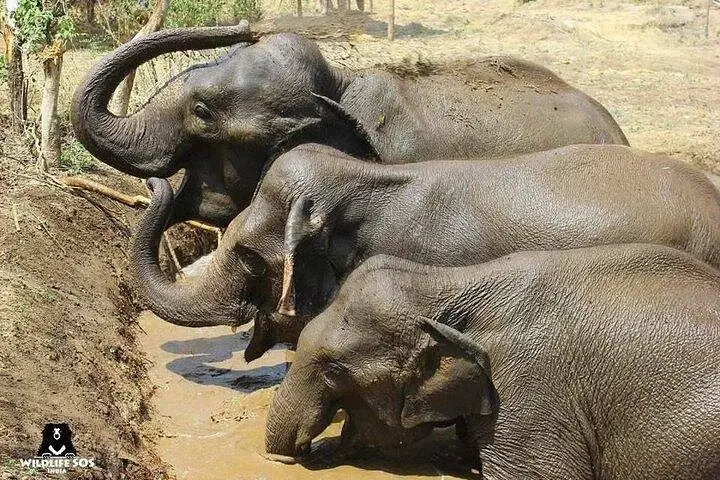
At the elephant conservation center near Churmura, pachyderms move with deliberate curiosity—some forging out for fodder, others accepting a mud shower and the careful hands of keepers. A short documentary and guided talk frame decades-long changes: elephants once conscripted into battle and logging are now part of structured rehabilitation programs run with local NGOs. The day reads like a study in recovery: learned behaviors replaced, medical needs met, and space given to re-learn what it means to be an elephant.
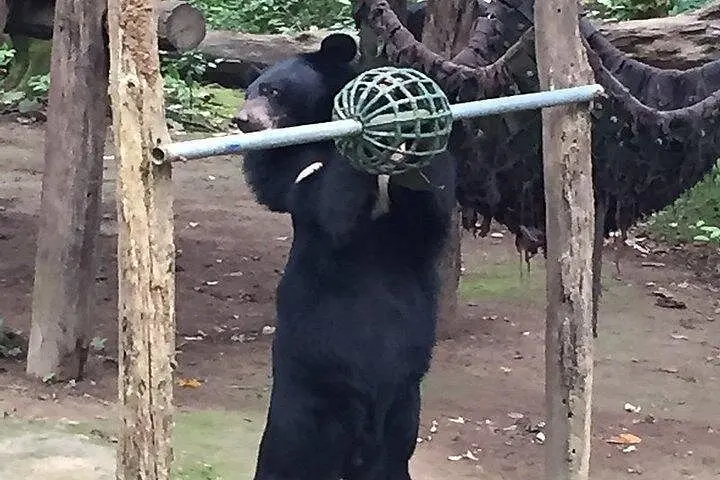
Later, at Keetham Lake’s bear rescue area, the landscape opens to reed beds and a wide, reflective water body that draws resident and migratory birds. Sloth bears—rescued from the traditional practice of “dancing” bears—explore enrichment devices and shaded forested paddocks while guides explain cultural history and the Kalendar tribe’s past reliance on bears for livelihood.
Practical guidance: the full-day tour runs about six hours with roughly 30 km drive each way; wear supportive walking shoes for uneven paths, bring sun protection and a telephoto lens for birds and animal portraits. Respect viewing distances and follow staff instructions—no feeding or sudden movements. Wheelchair access is reported at parts of the facility, but terrain can be uneven; confirm accessibility needs in advance. The tour blends natural history, cultural context and hands-on rehabilitation observation—best for wildlife-minded travelers seeking an informed, respectful encounter.
Frequently asked questions
The tour is approximately six hours and includes private transport from Agra hotels, bottled water, national park fees, a local guide, and admission to both centers.
Direct contact is not permitted; you can observe feeding, enrichment and medical care under staff supervision to ensure animal welfare.
Yes—most ages can participate. The tour is rated easy, but those with mobility issues should check specific accessibility details in advance.
Early morning and late afternoon are best for bird activity; migratory species arrive in winter, increasing avian diversity from November to February.
About This Experience
S.A.M Tours & Travels operates guided outdoor trips and adventures with an emphasis on safety, stewardship, and memorable experiences.
Adventure tips
Recommended gear
- Comfortable walking shoes: Provides grip and comfort on uneven sanctuary paths and grassy lake edges.
- Telephoto camera lens or binoculars: Helps photograph elephants, sloth bears and birds from a safe distance.
- Sun hat and sunscreen: Protects from strong sun during the drive and while outdoors at Keetham Lake.
- Light rain jacket: Useful during sudden showers in the wet season and for early-morning chill.
Photos of the experience
Related adventures & guides
Read the full experience
Morning light on the Agra–Mathura highway compresses distance into a steady ribbon of fields and roadside villages as the private vehicle carries visitors toward two very different sanctuaries.
Morning light on the Agra–Mathura highway compresses distance into a steady ribbon of fields and roadside villages as the private vehicle carries visitors toward two very different sanctuaries.
At the elephant conservation center near Churmura, pachyderms move with deliberate curiosity—some forging out for fodder, others accepting a mud shower and the careful hands of keepers. A short documentary and guided talk frame decades-long changes: elephants once conscripted into battle and logging are now part of structured rehabilitation programs run with local NGOs. The day reads like a study in recovery: learned behaviors replaced, medical needs met, and space given to re-learn what it means to be an elephant.
Later, at Keetham Lake’s bear rescue area, the landscape opens to reed beds and a wide, reflective water body that draws resident and migratory birds. Sloth bears—rescued from the traditional practice of “dancing” bears—explore enrichment devices and shaded forested paddocks while guides explain cultural history and the Kalendar tribe’s past reliance on bears for livelihood.
Practical guidance: the full-day tour runs about six hours with roughly 30 km drive each way; wear supportive walking shoes for uneven paths, bring sun protection and a telephoto lens for birds and animal portraits. Respect viewing distances and follow staff instructions—no feeding or sudden movements. Wheelchair access is reported at parts of the facility, but terrain can be uneven; confirm accessibility needs in advance. The tour blends natural history, cultural context and hands-on rehabilitation observation—best for wildlife-minded travelers seeking an informed, respectful encounter.
Make a day of it nearby.
Verified experiences and guided adventures in the surrounding area.