THE ADVENTURE COLLECTIVE® · Independent discovery and booking for outdoor travel

Take a one-hour ferry from the Gateway of India to an island of carved basalt halls and monumental Shiva sculptures. This 4–5 hour guided half-day tour pairs cultural history with sea views and a brisk walk up stone steps.
Take a one-hour ferry from the Gateway of India to an island of carved basalt halls and monumental Shiva sculptures. This 4–5 hour guided half-day tour pairs cultural history with sea views and a brisk walk up stone steps.
The ferry slips away from the Gateway of India and the skyline of Mumbai shrinks into a band of glass and concrete; gulls wheel, the Arabian Sea pushes at the hull, and the island’s basalt cliffs loom ahead. Stepping ashore at Elephanta Jetty, visitors trade the city’s noise for stone corridors carved from volcanic rock and the persistent calls of monkeys that patrol the paths.
Verified experiences and guided adventures in the surrounding area.
Operated by Mumbai Dream Tours · Mumbai, Maharashtra
The ferry slips away from the Gateway of India and the skyline of Mumbai shrinks into a band of glass and concrete; gulls wheel, the Arabian Sea pushes at the hull, and the island’s basalt cliffs loom ahead. Stepping ashore at Elephanta Jetty, visitors trade the city’s noise for stone corridors carved from volcanic rock and the persistent calls of monkeys that patrol the paths.
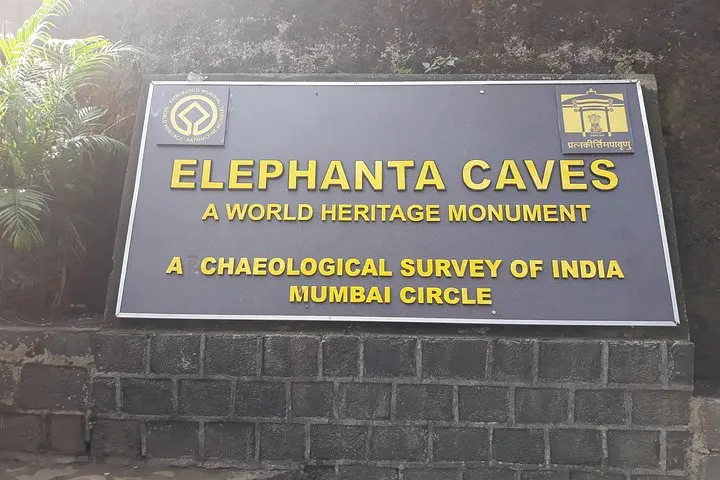
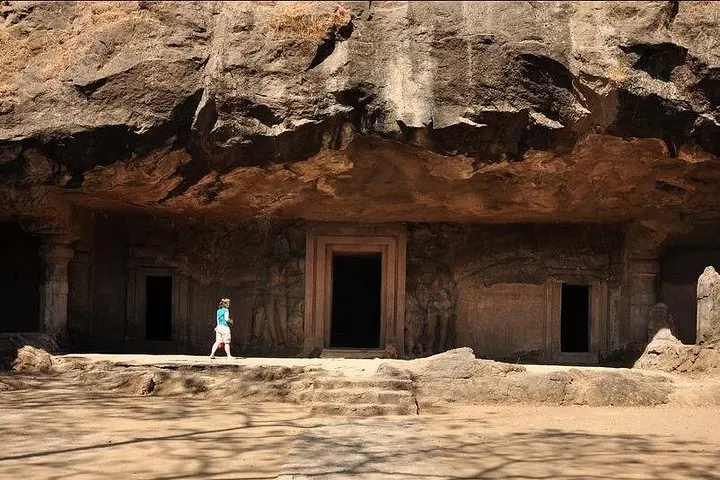
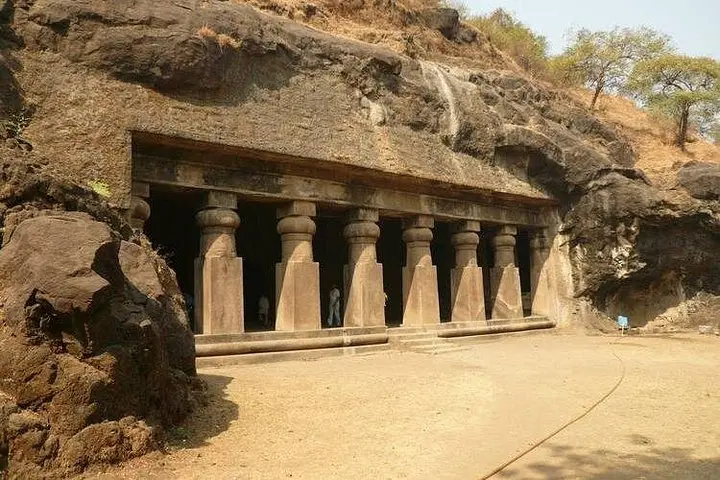
The caves are a 5th–8th century complex of rock-cut temples devoted primarily to Shiva. The Great Trimurti — a roughly 20-foot stone image of the three-faced god — dominates a central hall, while relief panels show mythic episodes and sculptural finesse born from the Deccan basalt. Portuguese maps later called the island “Elephanta” after a once-present statue, and the site is now protected and interpreted by local guides who explain both myths and construction techniques.
Practicalities shape the visit: the round-trip ferry is about an hour each way and the full tour runs roughly 4–5 hours. Reaching the main caves requires ascending carved steps and navigating uneven floors; wear grippy shoes and move deliberately. Morning departures avoid the midday heat and the busiest ferries. Guides included on this tour provide local stories, point out lesser-known panels and viewpoints, and advise on conservation etiquette — do not touch the sculptures.
Expect souvenir stalls near the jetty, a handful of snack vendors, and viewpoints that reward a short scramble with open ocean panoramas. Respect the site: stay on marked paths, carry a reusable water bottle, and be prepared for sun, steps, and inquisitive monkeys.
Yes—the tour includes ferry charges and round-trip transport between the Gateway of India and Elephanta Jetty.
Yes—entry charges to the Elephanta Caves are included in the tour price.
No—the main cave complex requires climbing carved stone steps and walking on uneven surfaces, which limits accessibility for wheelchairs.
Plan about 4–5 hours total to account for ferry crossings (around 1 hour each way), guided time in the caves, and short breaks at viewpoints.
Mumbai Dream Tours operates guided outdoor trips and adventures with an emphasis on safety, stewardship, and memorable experiences.

The ferry slips away from the Gateway of India and the skyline of Mumbai shrinks into a band of glass and concrete; gulls wheel, the Arabian Sea pushes at the hull, and the island’s basalt cliffs loom ahead. Stepping ashore at Elephanta Jetty, visitors trade the city’s noise for stone corridors carved from volcanic rock and the persistent calls of monkeys that patrol the paths.
The ferry slips away from the Gateway of India and the skyline of Mumbai shrinks into a band of glass and concrete; gulls wheel, the Arabian Sea pushes at the hull, and the island’s basalt cliffs loom ahead. Stepping ashore at Elephanta Jetty, visitors trade the city’s noise for stone corridors carved from volcanic rock and the persistent calls of monkeys that patrol the paths.
The caves are a 5th–8th century complex of rock-cut temples devoted primarily to Shiva. The Great Trimurti — a roughly 20-foot stone image of the three-faced god — dominates a central hall, while relief panels show mythic episodes and sculptural finesse born from the Deccan basalt. Portuguese maps later called the island “Elephanta” after a once-present statue, and the site is now protected and interpreted by local guides who explain both myths and construction techniques.
Practicalities shape the visit: the round-trip ferry is about an hour each way and the full tour runs roughly 4–5 hours. Reaching the main caves requires ascending carved steps and navigating uneven floors; wear grippy shoes and move deliberately. Morning departures avoid the midday heat and the busiest ferries. Guides included on this tour provide local stories, point out lesser-known panels and viewpoints, and advise on conservation etiquette — do not touch the sculptures.
Expect souvenir stalls near the jetty, a handful of snack vendors, and viewpoints that reward a short scramble with open ocean panoramas. Respect the site: stay on marked paths, carry a reusable water bottle, and be prepared for sun, steps, and inquisitive monkeys.