THE ADVENTURE COLLECTIVE® · Independent discovery and booking for outdoor travel

Skip the long ferry and reach Elephanta Island in 20 minutes aboard a premium speedboat. Explore 7th‑century rock‑cut caves with a licensed guide, then return to Mumbai refreshed and on schedule.
Skip the long ferry and reach Elephanta Island in 20 minutes aboard a premium speedboat. Explore 7th‑century rock‑cut caves with a licensed guide, then return to Mumbai refreshed and on schedule.
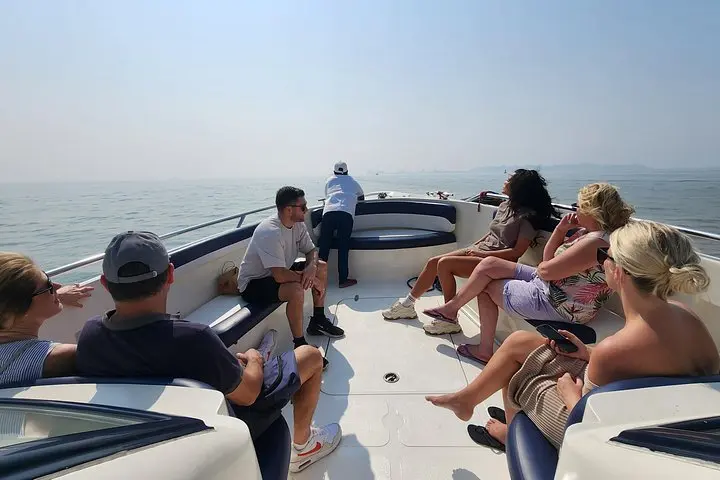
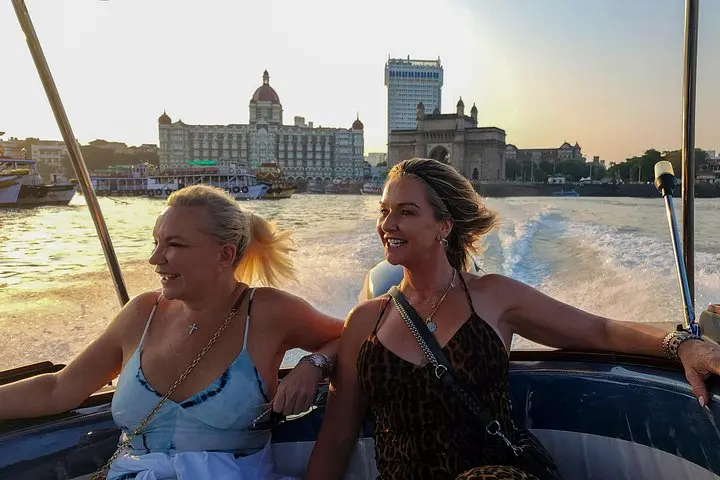
A brisk January morning at Jetty No. 5: salt air snaps at your face as a low-profile speedboat cuts out from beneath the Gateway of India. The cityscape peels away and the sea opens, waves daring you forward; in twenty minutes, the silhouette of Elephanta Island — a compact crown of basalt — rises like an ancient outcrop holding stories in rock.
Verified experiences and guided adventures in the surrounding area.
Operated by Passport Lifestyles · Mumbai, Maharashtra
A brisk January morning at Jetty No. 5: salt air snaps at your face as a low-profile speedboat cuts out from beneath the Gateway of India. The cityscape peels away and the sea opens, waves daring you forward; in twenty minutes, the silhouette of Elephanta Island — a compact crown of basalt — rises like an ancient outcrop holding stories in rock.
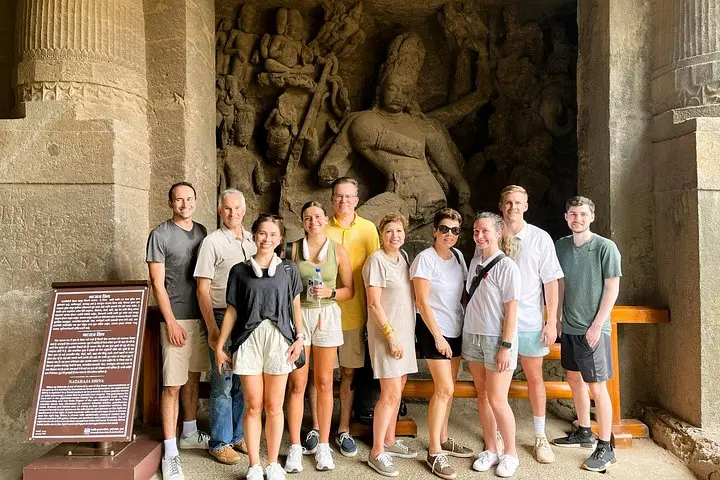
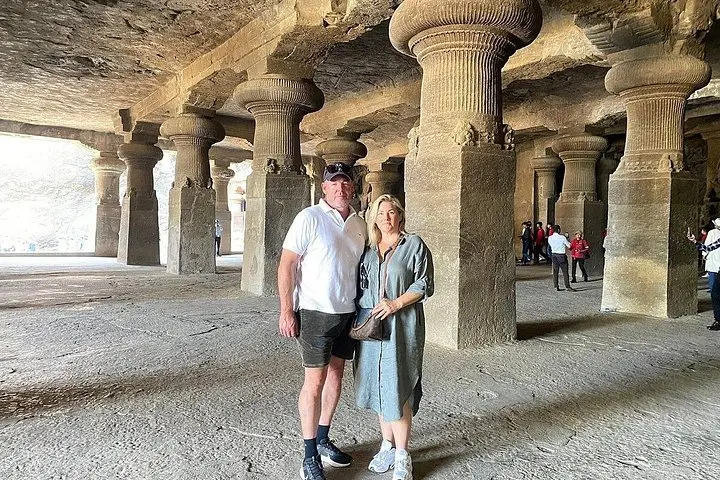
The Elephanta Caves (Gharapuri) date to between the 5th and 8th centuries CE, carved directly into volcanic basalt. The complex’s principal attraction is the Maheshmurti — a three-headed Shiva — and a sequence of panels that map myths, royal patronage, and medieval pilgrimage. Geologically the island is a weathered remnant of Deccan traps; the caves’ surfaces bear tool marks, mineral streaks, and centuries of salt air erosion.
Beyond the sculptures, local life clusters at the harbor and small village where fishermen mend nets and vendors sell chai and coconut water. The short climb (or paid carriage) from the jetty rises through broken steps and shaded scrub; views back toward Mumbai sharpen as the tide slides below.
Practical guidance: arrive at least 30 minutes before departure at Jetty No.5, bring sun protection and a lightweight waterproof layer for spray on the return, and budget INR for entrance fees and optional carriage. The guided portion through the caves runs roughly 60–90 minutes; expect uneven steps and low-light interiors. The speedboat option shaves transit time and gives extra exploration on the island, but keep cameras dry and follow crew safety briefings. For a practical, compact half‑day outing, this premium service converts a long ferry into a focused cultural landing.
The premium speedboat crosses in about 20 minutes one way, significantly shorter than public ferry crossings.
Access from the jetty involves stairs; a carriage is available on direct payment but on‑site assistance and uneven surfaces mean full accessibility is limited.
Entrance fees are listed as included with this service, but passengers should confirm at booking and carry small cash for local purchases.
Cool, dry months (October to March) offer the most comfortable conditions; avoid the monsoon (June–September) when rough seas and closures are possible.
Passport Lifestyles operates guided outdoor trips and adventures with an emphasis on safety, stewardship, and memorable experiences.
A brisk January morning at Jetty No. 5: salt air snaps at your face as a low-profile speedboat cuts out from beneath the Gateway of India. The cityscape peels away and the sea opens, waves daring you forward; in twenty minutes, the silhouette of Elephanta Island — a compact crown of basalt — rises like an ancient outcrop holding stories in rock.
A brisk January morning at Jetty No. 5: salt air snaps at your face as a low-profile speedboat cuts out from beneath the Gateway of India. The cityscape peels away and the sea opens, waves daring you forward; in twenty minutes, the silhouette of Elephanta Island — a compact crown of basalt — rises like an ancient outcrop holding stories in rock.
The Elephanta Caves (Gharapuri) date to between the 5th and 8th centuries CE, carved directly into volcanic basalt. The complex’s principal attraction is the Maheshmurti — a three-headed Shiva — and a sequence of panels that map myths, royal patronage, and medieval pilgrimage. Geologically the island is a weathered remnant of Deccan traps; the caves’ surfaces bear tool marks, mineral streaks, and centuries of salt air erosion.
Beyond the sculptures, local life clusters at the harbor and small village where fishermen mend nets and vendors sell chai and coconut water. The short climb (or paid carriage) from the jetty rises through broken steps and shaded scrub; views back toward Mumbai sharpen as the tide slides below.
Practical guidance: arrive at least 30 minutes before departure at Jetty No.5, bring sun protection and a lightweight waterproof layer for spray on the return, and budget INR for entrance fees and optional carriage. The guided portion through the caves runs roughly 60–90 minutes; expect uneven steps and low-light interiors. The speedboat option shaves transit time and gives extra exploration on the island, but keep cameras dry and follow crew safety briefings. For a practical, compact half‑day outing, this premium service converts a long ferry into a focused cultural landing.