THE ADVENTURE COLLECTIVE® · Independent discovery and booking for outdoor travel

Step aboard a short ferry from Mumbai and walk into a living chapter of India’s temple art. This guided tour pairs panoramic harbor views with in-depth exploration of the Elephanta Caves’ monumental rock sculptures.
Step aboard a short ferry from Mumbai and walk into a living chapter of India’s temple art. This guided tour pairs panoramic harbor views with in-depth exploration of the Elephanta Caves’ monumental rock sculptures.
A salt wind lifts from the Arabian Sea as the ferry detaches from the Gateway of India and Mumbai’s skyline recedes. On arrival at Elephanta Island, a shaded path rises toward basalt cliffs ringed with century-worn steps; the air carries the grit of the city and the hush of a centuries-old shrine.
Verified experiences and guided adventures in the surrounding area.
Operated by ICONIC MUMBAI TOUR · Mumbai, Maharashtra
A salt wind lifts from the Arabian Sea as the ferry detaches from the Gateway of India and Mumbai’s skyline recedes. On arrival at Elephanta Island, a shaded path rises toward basalt cliffs ringed with century-worn steps; the air carries the grit of the city and the hush of a centuries-old shrine.
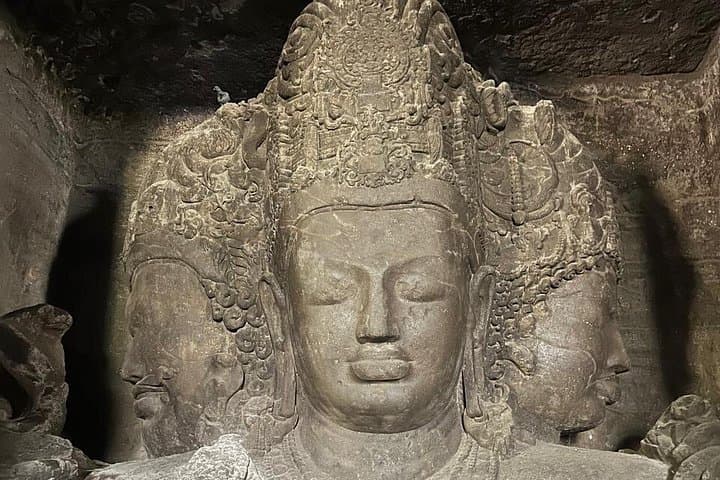
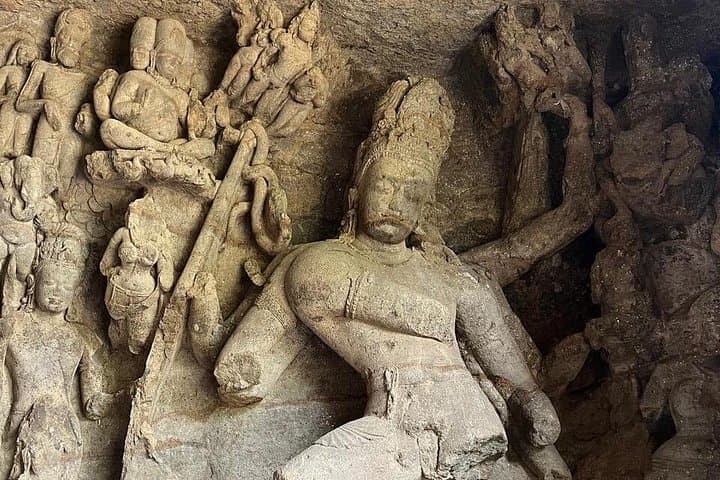
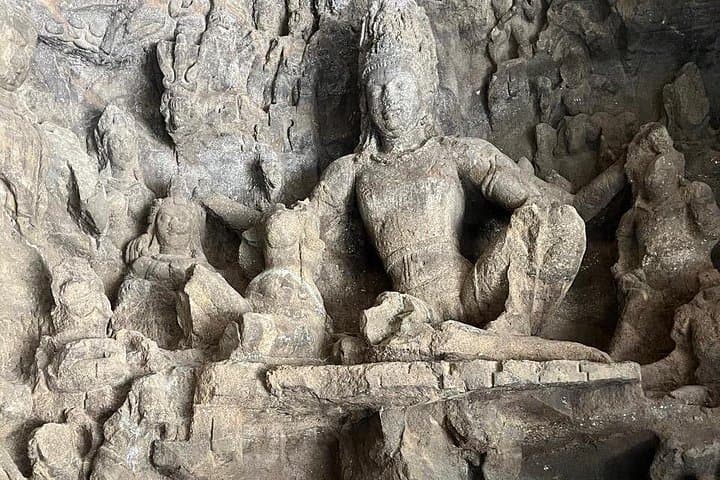
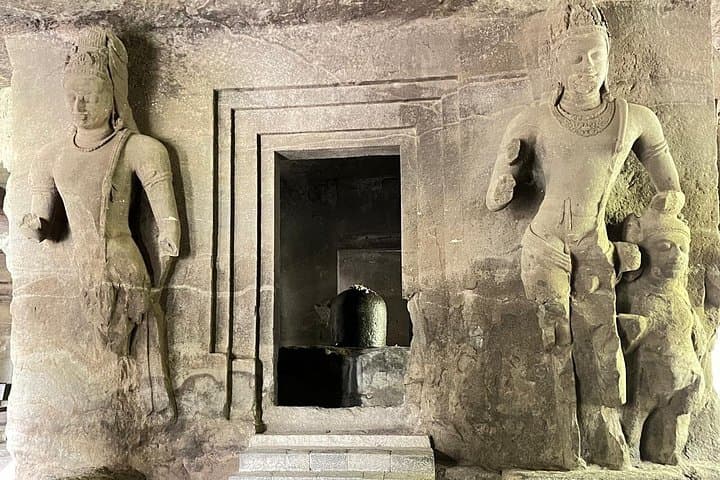
Carved between the 5th and 8th centuries, the Elephanta Caves are a concentrated lesson in medieval Hindu iconography and coastal geology. The principal cave’s 20-foot Trimurti of Shiva dominates the chamber, while smaller shrines and reliefs narrate myths in chiselled stone. The island sits on Deccan basalt—lava flows sculpted and later hollowed by human hands—so surfaces are firm but uneven.
Culturally, the caves were a regional pilgrimage site and later a colonial curiosity; today they are a UNESCO World Heritage Site managed for both preservation and public access. Local vendors and small temples near the landing offer refreshments and a chance to observe contemporary worship alongside archaeology.
Practical guidance: allow five to six hours for the round trip including ferry time, guided interpretation, and relaxed exploration. Wear sturdy shoes for 100–200 carved steps and irregular rock floors, and bring sun protection—the exposed approach and terraces offer little shade. Photography is welcome but be mindful of conservation signage and restricted areas.
Timing is everything: morning ferries reduce heat and crowding; monsoon months mean heavy seas and slippery steps. The experience pairs a short sea crossing with a terrestrial exploration that rewards curiosity and basic preparation.
The ferry crossing typically takes about 60–90 minutes round-trip depending on route and sea conditions; plan for a total tour of 5–6 hours including exploration.
Access involves steps and uneven rock surfaces; visitors with significant mobility limitations may find key areas inaccessible—check with the operator for specific assistance options.
Yes, general photography is allowed in most areas, but some sections may be off-limits to protect artifacts—obey posted restrictions and your guide’s directions.
Basic refreshments and public restrooms are available near the landing and village; facilities are simple so pack essentials as needed.
ICONIC MUMBAI TOUR operates guided outdoor trips and adventures with an emphasis on safety, stewardship, and memorable experiences.
A salt wind lifts from the Arabian Sea as the ferry detaches from the Gateway of India and Mumbai’s skyline recedes. On arrival at Elephanta Island, a shaded path rises toward basalt cliffs ringed with century-worn steps; the air carries the grit of the city and the hush of a centuries-old shrine.
A salt wind lifts from the Arabian Sea as the ferry detaches from the Gateway of India and Mumbai’s skyline recedes. On arrival at Elephanta Island, a shaded path rises toward basalt cliffs ringed with century-worn steps; the air carries the grit of the city and the hush of a centuries-old shrine.
Carved between the 5th and 8th centuries, the Elephanta Caves are a concentrated lesson in medieval Hindu iconography and coastal geology. The principal cave’s 20-foot Trimurti of Shiva dominates the chamber, while smaller shrines and reliefs narrate myths in chiselled stone. The island sits on Deccan basalt—lava flows sculpted and later hollowed by human hands—so surfaces are firm but uneven.
Culturally, the caves were a regional pilgrimage site and later a colonial curiosity; today they are a UNESCO World Heritage Site managed for both preservation and public access. Local vendors and small temples near the landing offer refreshments and a chance to observe contemporary worship alongside archaeology.
Practical guidance: allow five to six hours for the round trip including ferry time, guided interpretation, and relaxed exploration. Wear sturdy shoes for 100–200 carved steps and irregular rock floors, and bring sun protection—the exposed approach and terraces offer little shade. Photography is welcome but be mindful of conservation signage and restricted areas.
Timing is everything: morning ferries reduce heat and crowding; monsoon months mean heavy seas and slippery steps. The experience pairs a short sea crossing with a terrestrial exploration that rewards curiosity and basic preparation.