THE ADVENTURE COLLECTIVE® · Independent discovery and booking for outdoor travel

Board a short ferry from Mumbai and climb stone steps into the shadowed chambers of the Elephanta Caves. This private guided tour pairs coastal scenery with 5th–6th century rock-cut temples and concise local context.
Board a short ferry from Mumbai and climb stone steps into the shadowed chambers of the Elephanta Caves. This private guided tour pairs coastal scenery with 5th–6th century rock-cut temples and concise local context.
You step off the ferry into a low, salty wind and the island opens in stone and scrub: a short spit of land marked by dark rock faces scored with ancient hands.
Verified experiences and guided adventures in the surrounding area.
Operated by Linda Tours Mumbai · Mumbai, Maharashtra
You step off the ferry into a low, salty wind and the island opens in stone and scrub: a short spit of land marked by dark rock faces scored with ancient hands.
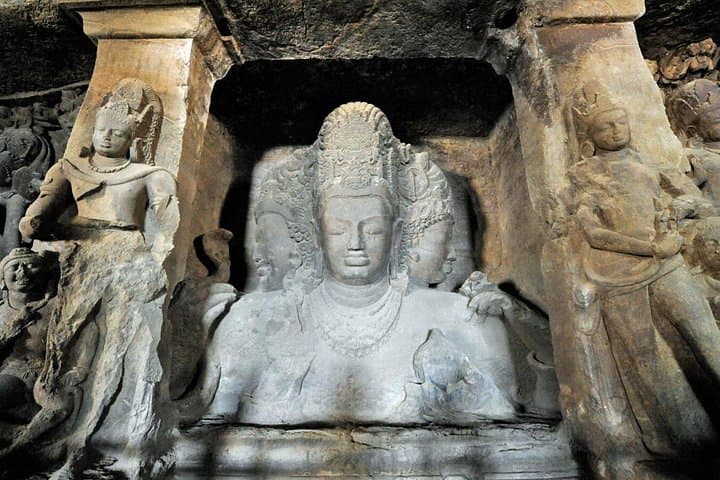
The Elephanta Caves (Gharapuri) are a cluster of rock-cut temples carved into volcanic basalt between the 5th and 6th centuries CE, built atop earlier occupation dating back to the 2nd century BCE. Cave 1—the Great Cave—unfolds as a cavernous chamber with colossal Shiva reliefs, a measured geometry that echoes other Deccan rock-cut sites. The island’s geology is simple and stark: columns and faces hewn directly from basalt flows, weathered by monsoon and spray.
Culturally the caves are a Hindu pilgrimage site and a UNESCO World Heritage Site; nearby village life remains quietly maritime, with fishermen, small shops, and the occasional ritual procession. Boats arrive from Mumbai’s waterfront, threading past tankers and local traffic before the island’s quieter rim brings the caves into view.
Practical guidance: expect a 5–6 hour outing including round-trip ferry time and guided exploration. The walk up to the caves involves several hundred stone steps and uneven surfaces—sturdy shoes and steady footing are required. Carry sun protection and water (bottled water is often provided), and plan mornings or late afternoons to avoid peak heat and ferry crowds. Respect signage and barriers: the carvings are fragile. With a guide you’ll move efficiently between the main shrines, learn the iconography of Shiva’s forms, and leave with a clear sense of why these hollowed chambers still command attention.
Ferries take about 1 hour each way depending on the service and sea conditions; allow extra time for boarding and disembarkation.
Access involves hundreds of stone steps; while the shoreline and some areas are level, most cave interiors are not wheelchair accessible.
Yes—this private tour typically includes ferry tickets, site admission, and guided entry to the Elephanta Caves.
Early mornings and late afternoons on weekdays are cooler and less crowded; monsoon months bring dramatic skies but heavier rain.
Linda Tours Mumbai operates guided outdoor trips and adventures with an emphasis on safety, stewardship, and memorable experiences.
You step off the ferry into a low, salty wind and the island opens in stone and scrub: a short spit of land marked by dark rock faces scored with ancient hands.
You step off the ferry into a low, salty wind and the island opens in stone and scrub: a short spit of land marked by dark rock faces scored with ancient hands.
The Elephanta Caves (Gharapuri) are a cluster of rock-cut temples carved into volcanic basalt between the 5th and 6th centuries CE, built atop earlier occupation dating back to the 2nd century BCE. Cave 1—the Great Cave—unfolds as a cavernous chamber with colossal Shiva reliefs, a measured geometry that echoes other Deccan rock-cut sites. The island’s geology is simple and stark: columns and faces hewn directly from basalt flows, weathered by monsoon and spray.
Culturally the caves are a Hindu pilgrimage site and a UNESCO World Heritage Site; nearby village life remains quietly maritime, with fishermen, small shops, and the occasional ritual procession. Boats arrive from Mumbai’s waterfront, threading past tankers and local traffic before the island’s quieter rim brings the caves into view.
Practical guidance: expect a 5–6 hour outing including round-trip ferry time and guided exploration. The walk up to the caves involves several hundred stone steps and uneven surfaces—sturdy shoes and steady footing are required. Carry sun protection and water (bottled water is often provided), and plan mornings or late afternoons to avoid peak heat and ferry crowds. Respect signage and barriers: the carvings are fragile. With a guide you’ll move efficiently between the main shrines, learn the iconography of Shiva’s forms, and leave with a clear sense of why these hollowed chambers still command attention.