THE ADVENTURE COLLECTIVE® · Independent discovery and booking for outdoor travel

Cut across the Arabian Sea from Mumbai and step into Gharapuri’s rock-cut world. This speedboat tour pairs a brisk ocean approach with a guided walk through 5th–6th century caves centered on powerful Shiva sculptures.
Cut across the Arabian Sea from Mumbai and step into Gharapuri’s rock-cut world. This speedboat tour pairs a brisk ocean approach with a guided walk through 5th–6th century caves centered on powerful Shiva sculptures.
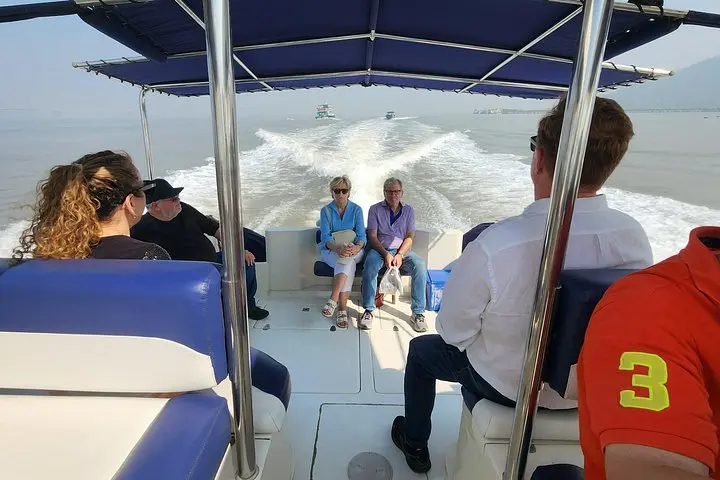
The morning begins at Jetty No. 5, Gateway of India: a line of polished hulls, chatter of vendors, and the Arabian Sea nudging the speedboat forward. As Mumbai’s high-rises shrink, the breeze takes the edge off the sun and the island’s low silhouette sharpens on the horizon. The boat’s wake writes the approach; the sea seems to push visitors toward the carved mouths of the caves.
Verified experiences and guided adventures in the surrounding area.
Operated by Shore Excursion India · Mumbai, Maharashtra
The morning begins at Jetty No. 5, Gateway of India: a line of polished hulls, chatter of vendors, and the Arabian Sea nudging the speedboat forward. As Mumbai’s high-rises shrink, the breeze takes the edge off the sun and the island’s low silhouette sharpens on the horizon. The boat’s wake writes the approach; the sea seems to push visitors toward the carved mouths of the caves.
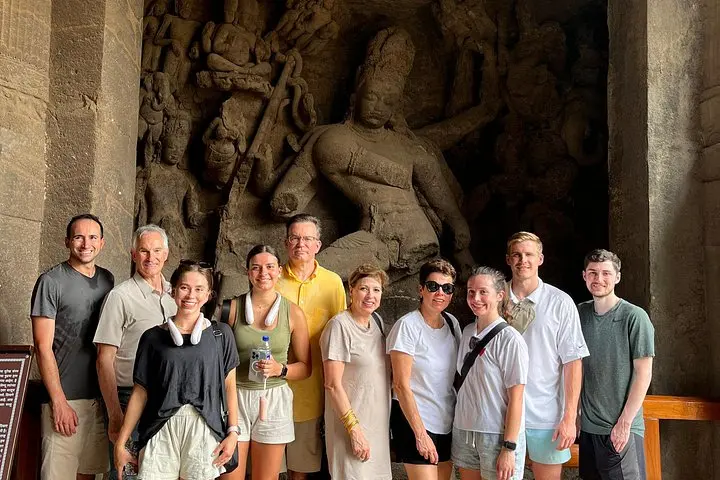
Gharapuri—commonly called Elephanta—holds rock-cut temples and sculpted panels dating to the 5th–6th centuries, carved into Deccan Trap basalt. The complex centers on majestic Shiva iconography, most famously the three-headed Trimurti. Portuguese and later British visitors left their marks in the 16th–19th centuries, and UNESCO listed the site for its archaeological value in 1987.
Culturally, the caves read like a handbook of classical Hindu myth: processions, tandava dance poses, and narrative reliefs rendered in proportion across weather-darkened stone. Geologically, the island is a chunk of hardened lava; the artisans used the solid basalt as their canvas, chiseling volume from rock rather than assembling it.
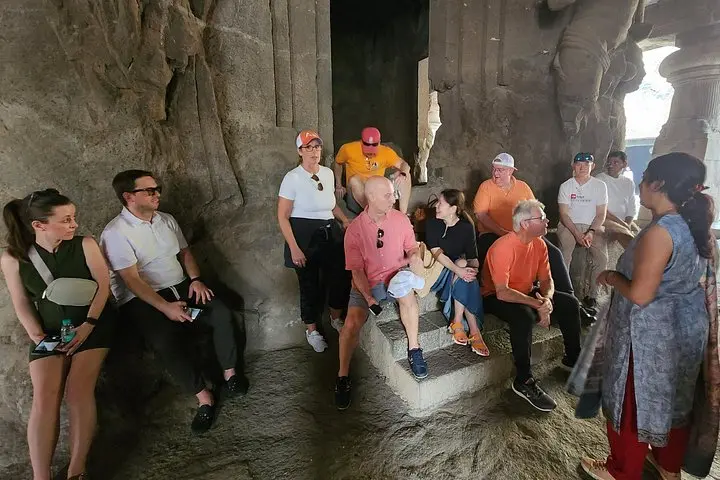
Practically: expect a 20-minute stepped ascent from the jetty (or pay for a carriage), uneven worn stone underfoot, and exposed sections with little shade. Plan for 3–4 hours total including boat transfer time. Morning departures avoid midday heat and larger crowds; bring sun protection, water, and shoes with good grip. Guides offer context that transforms statues into stories—book one if you want the carvings to speak. The return ride across the Arabian Sea is brisk; the water will remind you it carried these islands long before the city existed.
The speedboat crossing typically takes 30–45 minutes each way depending on sea conditions and the boat type.
Yes—there is a paid carriage/mini-train option from the jetty to the cave complex; the climb is about 15–25 minutes on foot.
Monument entrance fees and a government-licensed guide are included with this tour; check the booking for details on VIP jetty access and any exclusions.
The tour is family-friendly, but the climb involves steps and uneven terrain; visitors with mobility issues should use the carriage service and notify the operator in advance.
Shore Excursion India operates guided outdoor trips and adventures with an emphasis on safety, stewardship, and memorable experiences.

The morning begins at Jetty No. 5, Gateway of India: a line of polished hulls, chatter of vendors, and the Arabian Sea nudging the speedboat forward. As Mumbai’s high-rises shrink, the breeze takes the edge off the sun and the island’s low silhouette sharpens on the horizon. The boat’s wake writes the approach; the sea seems to push visitors toward the carved mouths of the caves.
The morning begins at Jetty No. 5, Gateway of India: a line of polished hulls, chatter of vendors, and the Arabian Sea nudging the speedboat forward. As Mumbai’s high-rises shrink, the breeze takes the edge off the sun and the island’s low silhouette sharpens on the horizon. The boat’s wake writes the approach; the sea seems to push visitors toward the carved mouths of the caves.
Gharapuri—commonly called Elephanta—holds rock-cut temples and sculpted panels dating to the 5th–6th centuries, carved into Deccan Trap basalt. The complex centers on majestic Shiva iconography, most famously the three-headed Trimurti. Portuguese and later British visitors left their marks in the 16th–19th centuries, and UNESCO listed the site for its archaeological value in 1987.
Culturally, the caves read like a handbook of classical Hindu myth: processions, tandava dance poses, and narrative reliefs rendered in proportion across weather-darkened stone. Geologically, the island is a chunk of hardened lava; the artisans used the solid basalt as their canvas, chiseling volume from rock rather than assembling it.
Practically: expect a 20-minute stepped ascent from the jetty (or pay for a carriage), uneven worn stone underfoot, and exposed sections with little shade. Plan for 3–4 hours total including boat transfer time. Morning departures avoid midday heat and larger crowds; bring sun protection, water, and shoes with good grip. Guides offer context that transforms statues into stories—book one if you want the carvings to speak. The return ride across the Arabian Sea is brisk; the water will remind you it carried these islands long before the city existed.