THE ADVENTURE COLLECTIVE® · Independent discovery and booking for outdoor travel

Ride a short ferry from the Gateway of India to Elephanta Island and spend a half day exploring renowned rock-cut caves and monumental Shiva reliefs. This concise guide covers history, what to expect on the walk, and practical tips for a smooth visit.
Ride a short ferry from the Gateway of India to Elephanta Island and spend a half day exploring renowned rock-cut caves and monumental Shiva reliefs. This concise guide covers history, what to expect on the walk, and practical tips for a smooth visit.
The ferry slips away from the Gateway of India and the city skyline shrinks into a band of glass and concrete, while the sea air sharpens into salt and wind. Ten kilometers out, Elephanta Island rises as a green rim on the horizon; the ferry's rhythm sets the day's pace before the carved faces of Shiva demand your attention.
Verified experiences and guided adventures in the surrounding area.
Operated by Dream City Tours and Travels · Mumbai, Maharashtra
The ferry slips away from the Gateway of India and the city skyline shrinks into a band of glass and concrete, while the sea air sharpens into salt and wind. Ten kilometers out, Elephanta Island rises as a green rim on the horizon; the ferry's rhythm sets the day's pace before the carved faces of Shiva demand your attention.
Carved from basalt between roughly the 5th and 7th centuries CE, the Elephanta Caves are a compact complex of seven excavations. Cave 1 is the centerpiece — a high-relief gallery of Brahmanical sculpture that maps shifting religious ideas and coastal trade wealth from early medieval western India. The Portuguese named the island after a now-removed elephant statue at the old landing; later it became a protected UNESCO World Heritage Site for its rare rock-cut architecture.
Geologically, the caves are cut into massive Deccan basalt flows; uneven steps and worn channels reflect centuries of monsoon wear. Local culture on the island is spare — a handful of dhabas, a village, and vendors who sell cool drinks and simple snacks. Expect inquisitive macaques along the approach and brahminy kites circling offshore.
Practical guidance: book a morning ferry to avoid midday heat and crowds, wear non-slip shoes for steep basalt steps, and carry water and sun protection. Photography is allowed but avoid touching sculptures; many surfaces are fragile. The full excursion, including ferry time and on-island walking, typically fills a half day — plan for 4–5 hours from Mumbai, and check ferry schedules and tide windows during the monsoon.
The ferry crossing takes about 60–90 minutes round-trip depending on the service and sea conditions; allow additional time for boarding and disembarking.
Access is limited: the island landing and cave complex include steep steps and uneven terrain, so full wheelchair access is not available to the main cave galleries.
Photography is permitted in most areas, but flash and touching sculptures are discouraged to protect the carvings.
Basic dhabas and portable toilets are available near the landing and cave areas, but options are limited—bring essentials and small change.
Dream City Tours and Travels operates guided outdoor trips and adventures with an emphasis on safety, stewardship, and memorable experiences.

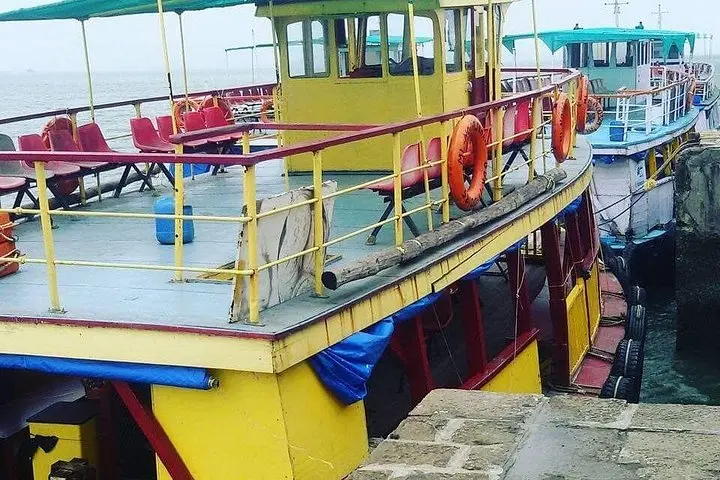
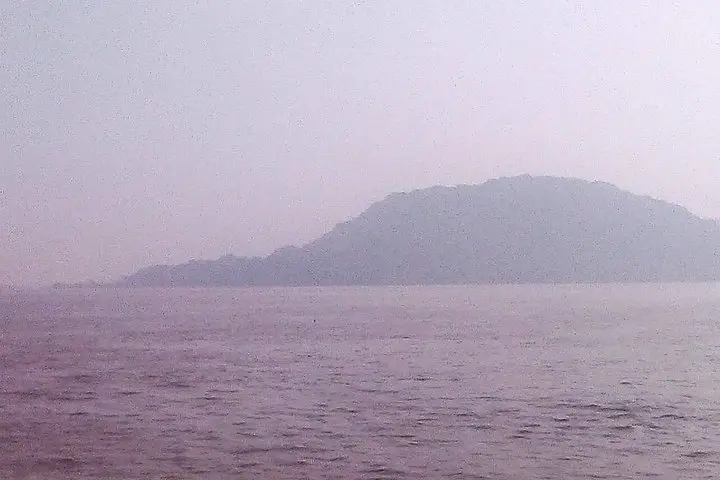
The ferry slips away from the Gateway of India and the city skyline shrinks into a band of glass and concrete, while the sea air sharpens into salt and wind. Ten kilometers out, Elephanta Island rises as a green rim on the horizon; the ferry's rhythm sets the day's pace before the carved faces of Shiva demand your attention.
The ferry slips away from the Gateway of India and the city skyline shrinks into a band of glass and concrete, while the sea air sharpens into salt and wind. Ten kilometers out, Elephanta Island rises as a green rim on the horizon; the ferry's rhythm sets the day's pace before the carved faces of Shiva demand your attention.
Carved from basalt between roughly the 5th and 7th centuries CE, the Elephanta Caves are a compact complex of seven excavations. Cave 1 is the centerpiece — a high-relief gallery of Brahmanical sculpture that maps shifting religious ideas and coastal trade wealth from early medieval western India. The Portuguese named the island after a now-removed elephant statue at the old landing; later it became a protected UNESCO World Heritage Site for its rare rock-cut architecture.
Geologically, the caves are cut into massive Deccan basalt flows; uneven steps and worn channels reflect centuries of monsoon wear. Local culture on the island is spare — a handful of dhabas, a village, and vendors who sell cool drinks and simple snacks. Expect inquisitive macaques along the approach and brahminy kites circling offshore.
Practical guidance: book a morning ferry to avoid midday heat and crowds, wear non-slip shoes for steep basalt steps, and carry water and sun protection. Photography is allowed but avoid touching sculptures; many surfaces are fragile. The full excursion, including ferry time and on-island walking, typically fills a half day — plan for 4–5 hours from Mumbai, and check ferry schedules and tide windows during the monsoon.