THE ADVENTURE COLLECTIVE® · Independent discovery and booking for outdoor travel

Walk misty tea terraces and watch black tea born from leaf to cup. This three‑hour Ella tour pairs technical insight with tasting led by industry experts — ideal for anyone wanting to learn why Ceylon tea commands global respect.
Walk misty tea terraces and watch black tea born from leaf to cup. This three‑hour Ella tour pairs technical insight with tasting led by industry experts — ideal for anyone wanting to learn why Ceylon tea commands global respect.
Morning mist hangs low over the rolling tea terraces as a guide leads a small group along narrow ridgelines in the Ella hills. You feel the give of soft soil underfoot, watch pluckers move with practiced hands, and smell the faint sweetness of freshly cut leaves — this is tea country at first light.
Verified experiences and guided adventures in the surrounding area.
Operated by Travelling Thrills (PVT) LTD · Ella, Uva Province
Morning mist hangs low over the rolling tea terraces as a guide leads a small group along narrow ridgelines in the Ella hills. You feel the give of soft soil underfoot, watch pluckers move with practiced hands, and smell the faint sweetness of freshly cut leaves — this is tea country at first light.
The central highlands where Ella sits were reshaped by ancient volcanic activity into steep slopes ideal for Camellia sinensis. British planters planted tea here in the 19th century; Ceylon tea quickly became a global commodity and remains a cornerstone of Sri Lanka’s economy and culture. On this three‑hour experience, industry lecturers explain plant biology and agronomy before you enter a working factory to see withering, rolling, oxidation, drying and sorting — the mechanical choreography that turns green shoots into the black, green and artisan varieties you’ll later taste.
Culturally, tea binds family tables and national identity; the tasting at the tea center is practical training in aroma, liquor and leaf assessment. Local guides often point out smallholder plots, traditional plucking methods and seasonal harvest rhythms.
Practical guidance: plan for uneven paths and short climbs; arrive early for cooler air and clearer views; wear closed shoes and a light rain layer (mountain weather changes fast). Hydrate — bottled water is provided — and bring a small pack for purchases and sunscreen. Expect a mix of classroom explanation and hands‑on moments: plucking demonstrations, factory viewing areas, and a guided tasting that sharpens your sense of quality and origin.
The experience lasts about three hours and includes a walk through a tea plantation, a visit to a black tea factory, guided explanations by industry experts, and a curated tea tasting; bottled water is also provided.
Children can join but infants must sit on an adult’s lap; consider mobility and attention span for factory viewing areas which may have stairs or restricted zones.
Public transport options exist nearby but pickup varies by booking; check your reservation details or contact the operator for transfer options.
Yes — most tea centers offer packaged teas and artisan varieties for purchase, and staff can advise on storage and brewing for quality retention.
Travelling Thrills (PVT) LTD operates guided outdoor trips and adventures with an emphasis on safety, stewardship, and memorable experiences.
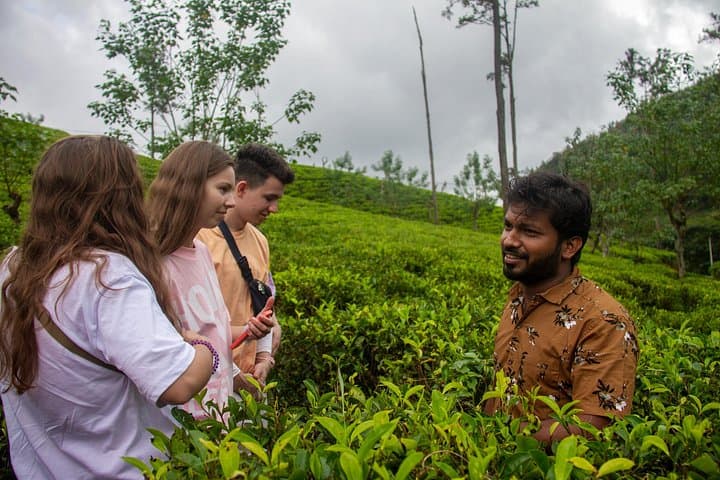
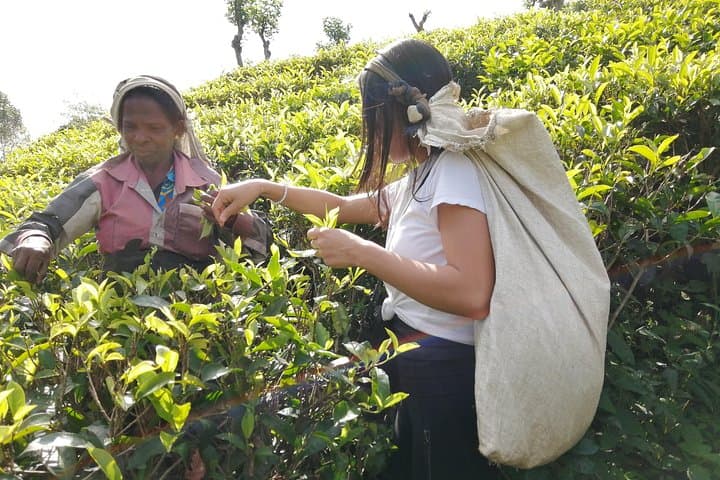
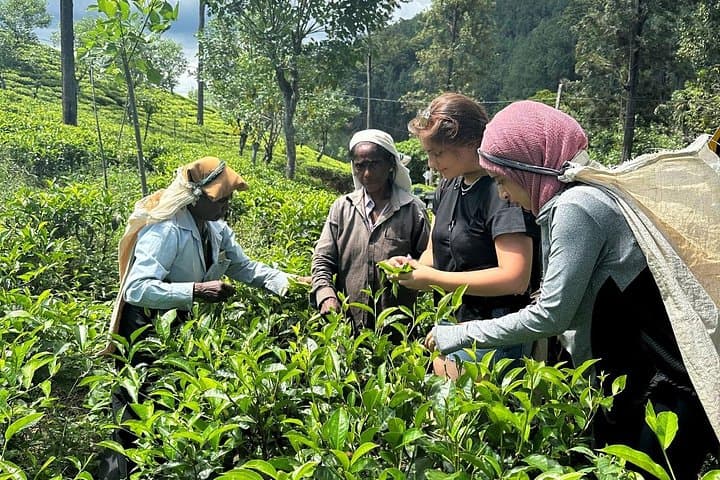
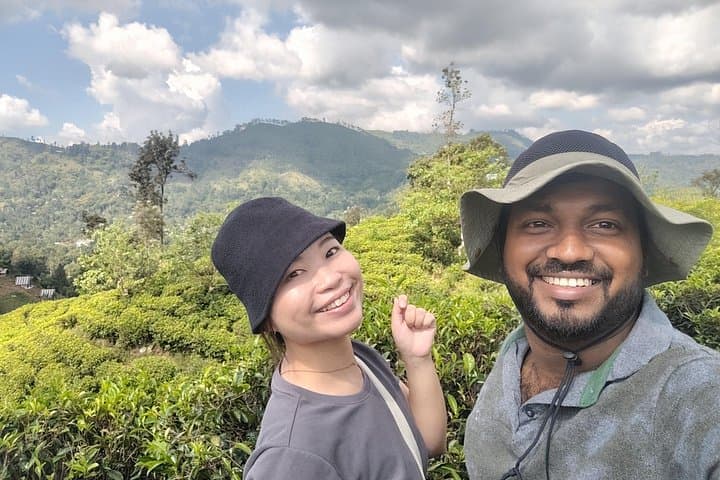
Morning mist hangs low over the rolling tea terraces as a guide leads a small group along narrow ridgelines in the Ella hills. You feel the give of soft soil underfoot, watch pluckers move with practiced hands, and smell the faint sweetness of freshly cut leaves — this is tea country at first light.
Morning mist hangs low over the rolling tea terraces as a guide leads a small group along narrow ridgelines in the Ella hills. You feel the give of soft soil underfoot, watch pluckers move with practiced hands, and smell the faint sweetness of freshly cut leaves — this is tea country at first light.
The central highlands where Ella sits were reshaped by ancient volcanic activity into steep slopes ideal for Camellia sinensis. British planters planted tea here in the 19th century; Ceylon tea quickly became a global commodity and remains a cornerstone of Sri Lanka’s economy and culture. On this three‑hour experience, industry lecturers explain plant biology and agronomy before you enter a working factory to see withering, rolling, oxidation, drying and sorting — the mechanical choreography that turns green shoots into the black, green and artisan varieties you’ll later taste.
Culturally, tea binds family tables and national identity; the tasting at the tea center is practical training in aroma, liquor and leaf assessment. Local guides often point out smallholder plots, traditional plucking methods and seasonal harvest rhythms.
Practical guidance: plan for uneven paths and short climbs; arrive early for cooler air and clearer views; wear closed shoes and a light rain layer (mountain weather changes fast). Hydrate — bottled water is provided — and bring a small pack for purchases and sunscreen. Expect a mix of classroom explanation and hands‑on moments: plucking demonstrations, factory viewing areas, and a guided tasting that sharpens your sense of quality and origin.