THE ADVENTURE COLLECTIVE® · Independent discovery and booking for outdoor travel

Walk the ramparts and descend into the dungeons of Elmina and Cape Coast on a full‑day guided tour from Accra. This trip combines coastal scenery with hard history — practical tips included to prepare for a long, sobering day of exploration.
Walk the ramparts and descend into the dungeons of Elmina and Cape Coast on a full‑day guided tour from Accra. This trip combines coastal scenery with hard history — practical tips included to prepare for a long, sobering day of exploration.
The Atlantic wind pushes salt across the low promontories as you step from an air-conditioned tour van into a courtyard that remembers every name it ever held. Stone walls warm under the sun; stairways peel down into narrow dungeons where light is only a rumor. This day trip threads two of Ghana’s most visited forts — Elmina and Cape Coast — placing you face-to-face with the physical spaces of the Trans‑Atlantic slave trade.
Verified experiences and guided adventures in the surrounding area.
Operated by Pridor Plus Tours · Cape Coast, Central Region
The Atlantic wind pushes salt across the low promontories as you step from an air-conditioned tour van into a courtyard that remembers every name it ever held. Stone walls warm under the sun; stairways peel down into narrow dungeons where light is only a rumor. This day trip threads two of Ghana’s most visited forts — Elmina and Cape Coast — placing you face-to-face with the physical spaces of the Trans‑Atlantic slave trade.
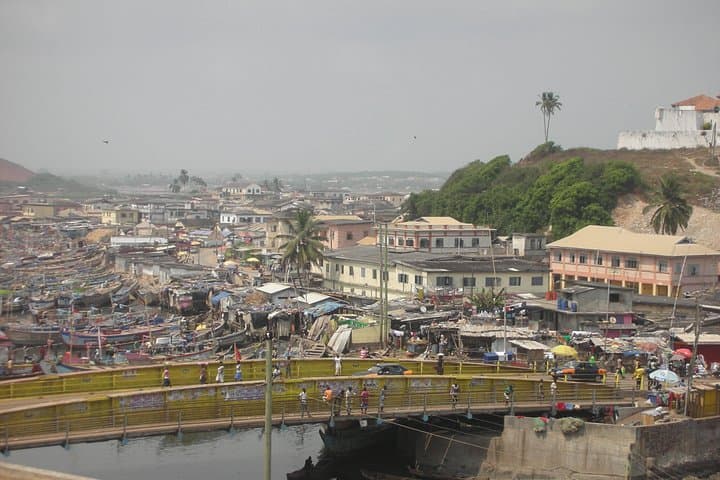
Both castles are part of Ghana’s fort network on the Gulf of Guinea, built and rebuilt by European powers from the 15th century onward. Geology here is coastal alluvium and rocky headlands; the forts were sited for defensible high ground and easy sea access. Culturally, the surrounding towns are active Fante fishing communities where canoe fleets and market stalls continue a living coastal economy alongside solemn heritage sites.
Expect guided walkthroughs of the male and female dungeons, the “Door of No Return,” and the governor’s quarters, with context on chains, incarceration, and resistance. The itinerary cites notable recent visitors and emphasizes interpretation over spectacle.
Practical guidance: this is a long day — plan for roughly 10 hours including transport from Accra, concrete and stone underfoot, and many steps. Bring water, sun protection, and respectful clothing for indoor sites. Photography may be restricted in specific rooms; follow your guide. The experience is emotionally weighty; allow time afterward to process at a harbor-side café or the nearby fishing market. Comfortable shoes, patience on narrow stairs, and an attentive guide will make the history accessible and the visit purposeful.
The tour runs about 10 hours and includes round‑trip transport from Accra in an air‑conditioned vehicle.
Yes — guided admission into both castles is listed as included in the itinerary.
Children can join but the sites have many steep, narrow stairs and low-light dungeons; accessibility is limited — contact the operator about special arrangements.
Lunch is not explicitly included; tours typically stop for a break where you can purchase food locally — bring cash if you plan to buy meals.
Pridor Plus Tours operates guided outdoor trips and adventures with an emphasis on safety, stewardship, and memorable experiences.



The Atlantic wind pushes salt across the low promontories as you step from an air-conditioned tour van into a courtyard that remembers every name it ever held. Stone walls warm under the sun; stairways peel down into narrow dungeons where light is only a rumor. This day trip threads two of Ghana’s most visited forts — Elmina and Cape Coast — placing you face-to-face with the physical spaces of the Trans‑Atlantic slave trade.
The Atlantic wind pushes salt across the low promontories as you step from an air-conditioned tour van into a courtyard that remembers every name it ever held. Stone walls warm under the sun; stairways peel down into narrow dungeons where light is only a rumor. This day trip threads two of Ghana’s most visited forts — Elmina and Cape Coast — placing you face-to-face with the physical spaces of the Trans‑Atlantic slave trade.
Both castles are part of Ghana’s fort network on the Gulf of Guinea, built and rebuilt by European powers from the 15th century onward. Geology here is coastal alluvium and rocky headlands; the forts were sited for defensible high ground and easy sea access. Culturally, the surrounding towns are active Fante fishing communities where canoe fleets and market stalls continue a living coastal economy alongside solemn heritage sites.
Expect guided walkthroughs of the male and female dungeons, the “Door of No Return,” and the governor’s quarters, with context on chains, incarceration, and resistance. The itinerary cites notable recent visitors and emphasizes interpretation over spectacle.
Practical guidance: this is a long day — plan for roughly 10 hours including transport from Accra, concrete and stone underfoot, and many steps. Bring water, sun protection, and respectful clothing for indoor sites. Photography may be restricted in specific rooms; follow your guide. The experience is emotionally weighty; allow time afterward to process at a harbor-side café or the nearby fishing market. Comfortable shoes, patience on narrow stairs, and an attentive guide will make the history accessible and the visit purposeful.