THE ADVENTURE COLLECTIVE® · Independent discovery and booking for outdoor travel

Walk through centuries at Elmina and Cape Coast: a full-day tour that pairs castle visits with coastal markets, local shrines, and fortified ramparts. Expect a mix of paved streets and sandy paths, strong sunlight, and layered history at every turn.
Walk through centuries at Elmina and Cape Coast: a full-day tour that pairs castle visits with coastal markets, local shrines, and fortified ramparts. Expect a mix of paved streets and sandy paths, strong sunlight, and layered history at every turn.
A salt breeze carries the Atlantic onto the cracked plaster of a slave-era wall as the group steps through the arched gateway of Cape Coast Castle. Walking here feels like moving through layers: a fish market’s morning chaos gives way to quiet courtyards, then to battlements that peer out across a restless sea that once dictated the fortunes of this coast.
Verified experiences and guided adventures in the surrounding area.
Operated by Pridor Plus Tours · Cape Coast, Central Region
A salt breeze carries the Atlantic onto the cracked plaster of a slave-era wall as the group steps through the arched gateway of Cape Coast Castle. Walking here feels like moving through layers: a fish market’s morning chaos gives way to quiet courtyards, then to battlements that peer out across a restless sea that once dictated the fortunes of this coast.
The route threads between two of Ghana’s most significant colonial forts—Cape Coast Castle and Elmina Castle—sites with 17th- to 18th-century origins tied to European trade and local political networks. The coastline’s geology is simple but revealing: low, weathered laterite cliffs, sand spits, and reefs that shaped harbors and fishing communities for generations. Cultural life remains vivid; fishermen haul nets at the harbour, shrine keepers tend sacred groves, and colonial churches like St. Joseph mark the town’s layered past.
Expect long stretches on paved streets and sandy paths, close-range history lessons inside dim dungeons and sunny ramparts, plus stops at Victoria Park, Forts William and Charles, and local markets where you can sample fresh kenkey and fish.
Practical guidance: plan for a full day—tours run about 10–12 hours—bring sun protection, sturdy walking shoes, and a reusable water bottle (bottled water is usually provided). Respect local customs at shrines and ask before photographing people. The heat peaks midday; a morning start helps you avoid the worst of it. Tickets often include transport in an air‑conditioned vehicle and admission to the castles, but confirm inclusions before booking.
The tour runs approximately 10–12 hours, covering both Elmina and Cape Coast with multiple stops and included admissions.
Most organized walking tours include admissions to Cape Coast Castle and Elmina Castle—confirm when booking as some operators vary.
Tours commonly include pickup and transport in an air‑conditioned vehicle between sites; check your booking details for pickup points and times.
Children can join, but note there are steep ramps, uneven surfaces and stairs inside the castles—those with limited mobility may find parts inaccessible.
Pridor Plus Tours operates guided outdoor trips and adventures with an emphasis on safety, stewardship, and memorable experiences.


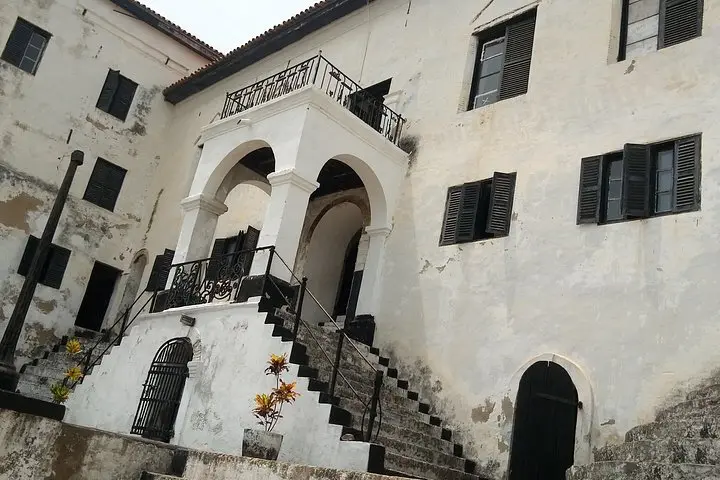
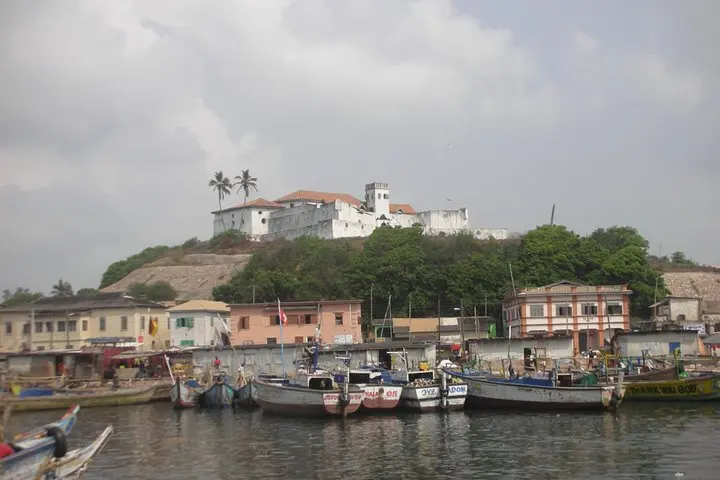
A salt breeze carries the Atlantic onto the cracked plaster of a slave-era wall as the group steps through the arched gateway of Cape Coast Castle. Walking here feels like moving through layers: a fish market’s morning chaos gives way to quiet courtyards, then to battlements that peer out across a restless sea that once dictated the fortunes of this coast.
A salt breeze carries the Atlantic onto the cracked plaster of a slave-era wall as the group steps through the arched gateway of Cape Coast Castle. Walking here feels like moving through layers: a fish market’s morning chaos gives way to quiet courtyards, then to battlements that peer out across a restless sea that once dictated the fortunes of this coast.
The route threads between two of Ghana’s most significant colonial forts—Cape Coast Castle and Elmina Castle—sites with 17th- to 18th-century origins tied to European trade and local political networks. The coastline’s geology is simple but revealing: low, weathered laterite cliffs, sand spits, and reefs that shaped harbors and fishing communities for generations. Cultural life remains vivid; fishermen haul nets at the harbour, shrine keepers tend sacred groves, and colonial churches like St. Joseph mark the town’s layered past.
Expect long stretches on paved streets and sandy paths, close-range history lessons inside dim dungeons and sunny ramparts, plus stops at Victoria Park, Forts William and Charles, and local markets where you can sample fresh kenkey and fish.
Practical guidance: plan for a full day—tours run about 10–12 hours—bring sun protection, sturdy walking shoes, and a reusable water bottle (bottled water is usually provided). Respect local customs at shrines and ask before photographing people. The heat peaks midday; a morning start helps you avoid the worst of it. Tickets often include transport in an air‑conditioned vehicle and admission to the castles, but confirm inclusions before booking.