THE ADVENTURE COLLECTIVE® · Independent discovery and booking for outdoor travel

Journey from Vicuña up to 3,300 m for mountain-fed thermal pools, a hidden waterfall, and local wine pairings. This high-altitude day blends a short trek with long soaks and regional flavors.
Journey from Vicuña up to 3,300 m for mountain-fed thermal pools, a hidden waterfall, and local wine pairings. This high-altitude day blends a short trek with long soaks and regional flavors.
You arrive before dawn, the minibus climbing from Vicuña into thin air as the valley narrows and scrubby hills turn ochre. By mid-morning the road opens to a yellow canyon; wind pushes at your jacket while a distant waterfall dares you closer. At 3,300 meters the thermal pools percolate from fissures beneath Las Tórtolas, offering hot mineral water against a backdrop of jagged ridgelines and clear, high-altitude light.
Verified experiences and guided adventures in the surrounding area.
Operated by Cabra del valle Tours-expediciones · Vicuña, Coquimbo Region
You arrive before dawn, the minibus climbing from Vicuña into thin air as the valley narrows and scrubby hills turn ochre. By mid-morning the road opens to a yellow canyon; wind pushes at your jacket while a distant waterfall dares you closer. At 3,300 meters the thermal pools percolate from fissures beneath Las Tórtolas, offering hot mineral water against a backdrop of jagged ridgelines and clear, high-altitude light.
The Elqui Valley has a layered history: indigenous Diaguita communities, colonial pisco producers, and modern astronomers who prize the region’s dark skies. Geologically the area is young Andean uplift and volcanic intrusions; the bright canyon walls come from oxidized sediments and sparse vegetation adapted to arid slopes. Local culture blends mountain hospitality—simple breakfasts in Huanta, shared mountain pairings, and a focus on small-scale wine and beer production.
Expect a short, sometimes steep trek to a hidden waterfall and broad, rocky trails around thermal basins. Trails cross loose scree and compacted dirt; altitude increases exertion more than steep grades. Practical notes: hydrate and eat before the climb, move slowly the first hour to acclimatize, and carry layers for sharp temperature swings. Footwear with ankle support and a daypack for water and sun protection make the outing comfortable. Guides handle border formalities and give local context; respect pool etiquette and fragile plant life when walking between springs.
The day pairs active exploration with slow soaking—an accessible high-altitude experience that mixes trekking, geology, and regional flavors.
Pools are accessed around 3,300 m; many visitors feel mild shortness of breath or headache—acclimatize in Vicuña, hydrate, and move slowly to minimize symptoms.
The springs are natural thermal basins fed by mountain waters; guides monitor access and advise on safe soaking times and temperatures.
Bring valid ID; guides coordinate with Carabineros for access but you should carry identification and any required travel documents.
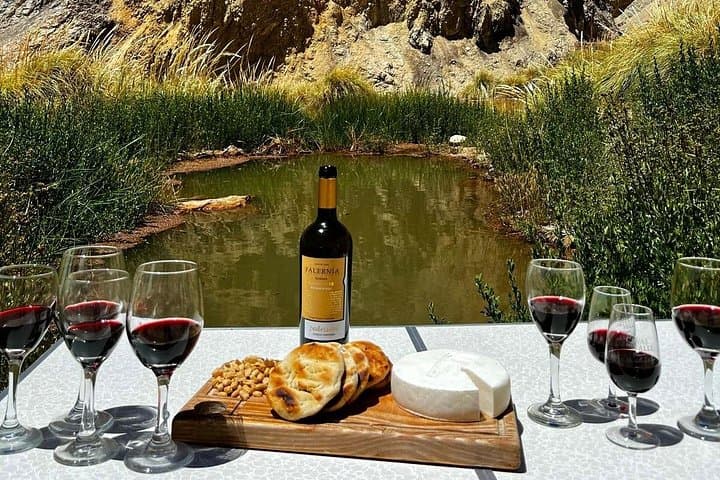
The itinerary includes breakfast in Huanta, a wine-paired lunch at the thermal site, and beer-and-pizza tasting back in Vicuña—specific menus reflect local producers.
Cabra del valle Tours-expediciones operates guided outdoor trips and adventures with an emphasis on safety, stewardship, and memorable experiences.
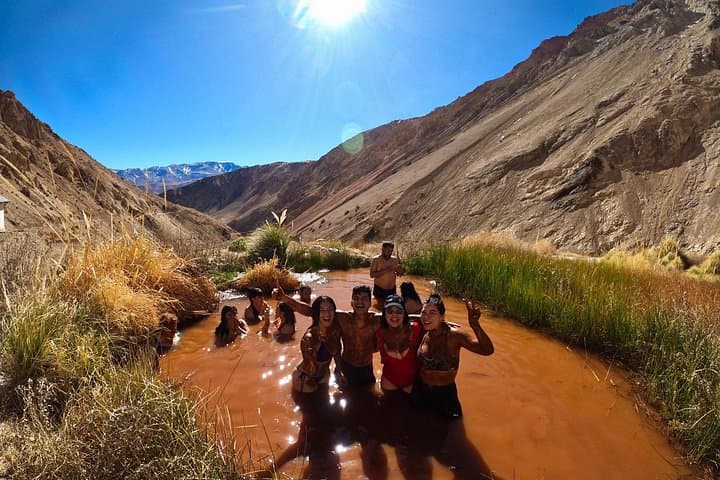
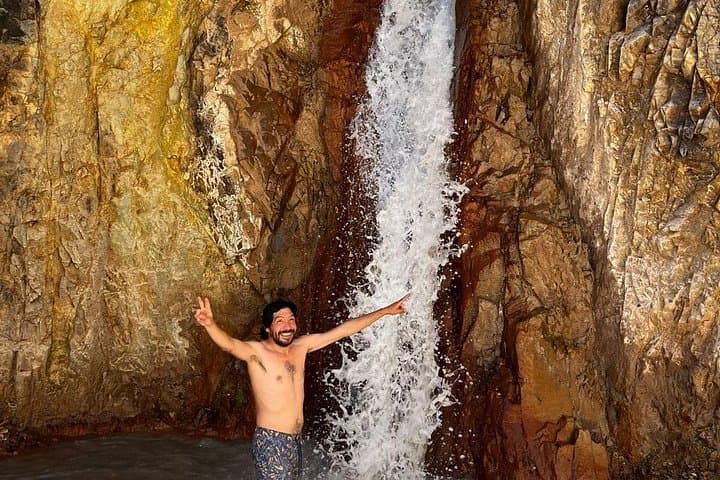
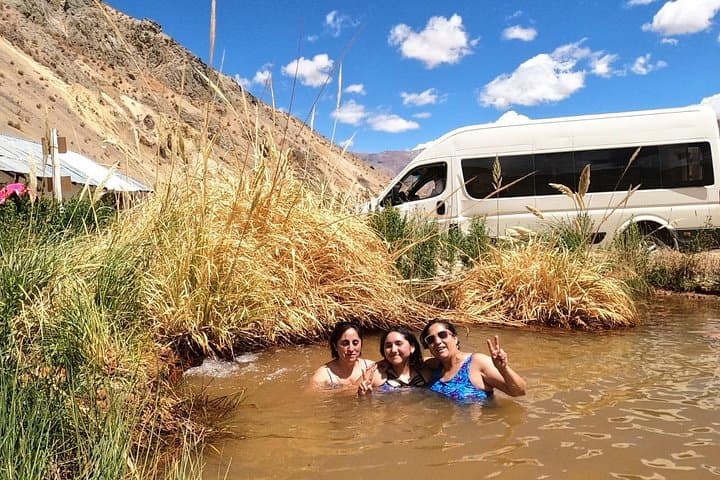
You arrive before dawn, the minibus climbing from Vicuña into thin air as the valley narrows and scrubby hills turn ochre. By mid-morning the road opens to a yellow canyon; wind pushes at your jacket while a distant waterfall dares you closer. At 3,300 meters the thermal pools percolate from fissures beneath Las Tórtolas, offering hot mineral water against a backdrop of jagged ridgelines and clear, high-altitude light.
You arrive before dawn, the minibus climbing from Vicuña into thin air as the valley narrows and scrubby hills turn ochre. By mid-morning the road opens to a yellow canyon; wind pushes at your jacket while a distant waterfall dares you closer. At 3,300 meters the thermal pools percolate from fissures beneath Las Tórtolas, offering hot mineral water against a backdrop of jagged ridgelines and clear, high-altitude light.
The Elqui Valley has a layered history: indigenous Diaguita communities, colonial pisco producers, and modern astronomers who prize the region’s dark skies. Geologically the area is young Andean uplift and volcanic intrusions; the bright canyon walls come from oxidized sediments and sparse vegetation adapted to arid slopes. Local culture blends mountain hospitality—simple breakfasts in Huanta, shared mountain pairings, and a focus on small-scale wine and beer production.
Expect a short, sometimes steep trek to a hidden waterfall and broad, rocky trails around thermal basins. Trails cross loose scree and compacted dirt; altitude increases exertion more than steep grades. Practical notes: hydrate and eat before the climb, move slowly the first hour to acclimatize, and carry layers for sharp temperature swings. Footwear with ankle support and a daypack for water and sun protection make the outing comfortable. Guides handle border formalities and give local context; respect pool etiquette and fragile plant life when walking between springs.
The day pairs active exploration with slow soaking—an accessible high-altitude experience that mixes trekking, geology, and regional flavors.