THE ADVENTURE COLLECTIVE® · Independent discovery and booking for outdoor travel

Walk Embassy Row from Dupont Circle to Kalorama on a guided two-hour tour that pairs Gilded Age architecture with modern diplomacy. Learn the stories behind opulent mansions, historic embassies, and the neighborhood’s political dramas while getting practical tips for navigating the route.
Walk Embassy Row from Dupont Circle to Kalorama on a guided two-hour tour that pairs Gilded Age architecture with modern diplomacy. Learn the stories behind opulent mansions, historic embassies, and the neighborhood’s political dramas while getting practical tips for navigating the route.
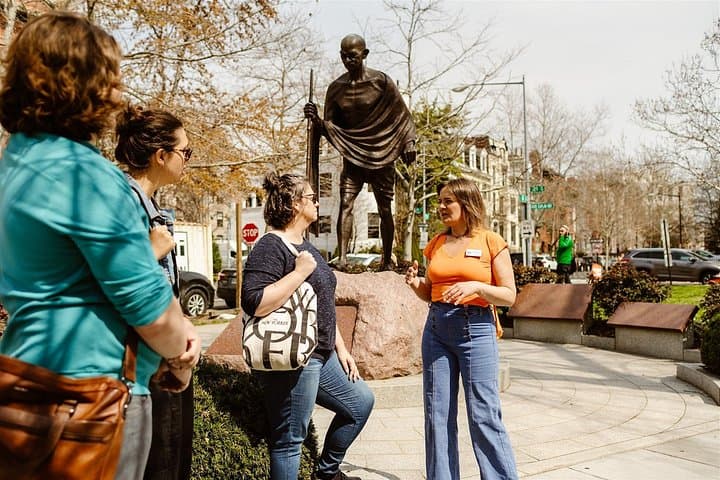
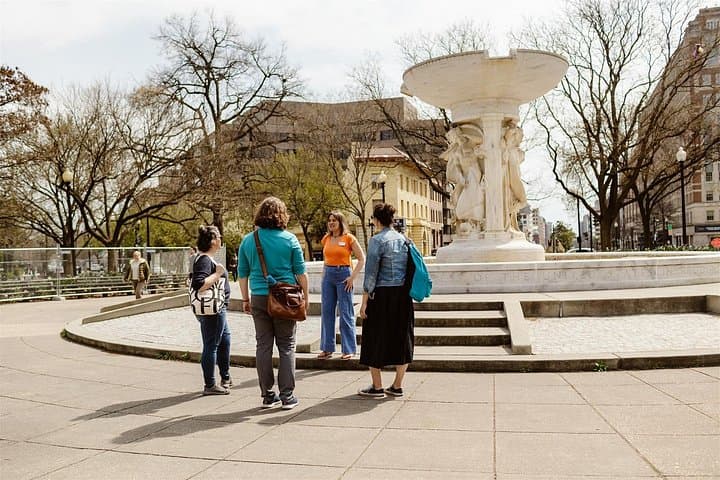
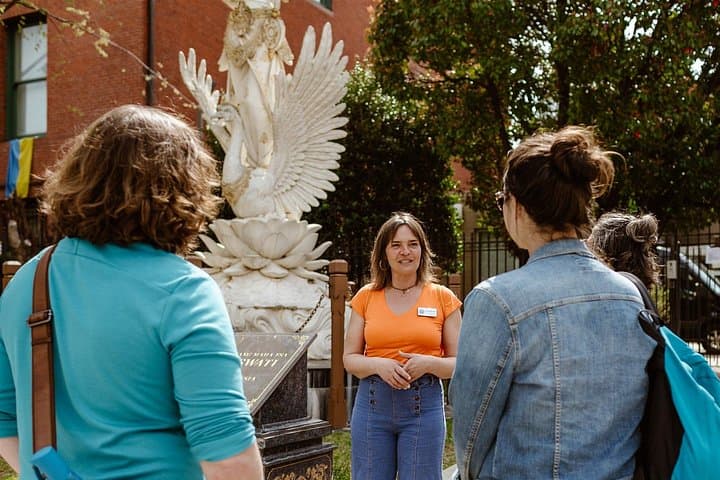
The Dupont Circle fountain murmurs as small groups gather; a guide in orange checks a list and the city exhales into the wide avenue. Massachusetts Avenue stretches away, a ribbon of stone and wrought iron where Beaux-Arts façades and slate roofs loom close enough to study the carved keystones and brass knockers.
Verified experiences and guided adventures in the surrounding area.
Operated by DC by Foot · Washington, District of Columbia
The Dupont Circle fountain murmurs as small groups gather; a guide in orange checks a list and the city exhales into the wide avenue. Massachusetts Avenue stretches away, a ribbon of stone and wrought iron where Beaux-Arts façades and slate roofs loom close enough to study the carved keystones and brass knockers.
This two-hour walk tracks the rise of DC's Gilded Age money and the later overlay of global diplomacy. Mansions that once housed American millionaires now fly foreign flags; Kalorama’s quieter streets shelter the Woodrow Wilson House and compact embassies whose façades tell stories of architectural tastes and hard-won treaties. The neighborhood’s geology is ordinary Mid-Atlantic clay and urban fill, but the cultural layers—bankers, social clubs, ambassadors—give the avenue depth.
Expect paved sidewalks, occasional stairs at stoops, and steady urban sound: buses, distant sirens, and plane traffic. The pace suits most walkers; stops focus on architecture, public art, and biography rather than interiors. Guides mix anecdote and archival fact—diplomatic scandals, presidential anecdotes, and the city’s planning decisions that turned private estates into public functions.
Practical notes: arrive 10 minutes early at Dupont Circle fountain (south exit of the Metro), wear supportive shoes, and carry a light layer—the wind off the avenue can cut through suits in late fall. Morning tours avoid the heaviest traffic and offer softer light for photographing stonework. Respect embassy security zones, keep ID handy, and follow your guide’s directions when approaching guarded entrances. This is an urban stroll that rewards attention to detail: read the plaques, look up at cornices, and let the avenue tell its history as you walk.
Meet at the fountain in the center of Dupont Circle (south Metro exit); guides wear orange and will check names prior to departure.
Sidewalks and curb cuts are generally available, but some stops involve short flights of stairs; contact the operator ahead if accessibility needs are specific.
Public façades are fine to photograph, but do not photograph security personnel or attempt to enter restricted areas—follow the guide’s directions near embassy perimeters.
Full refund is available if you cancel at least 24 hours before the departure time; no refund within 24 hours per the booking terms.
DC by Foot operates guided outdoor trips and adventures with an emphasis on safety, stewardship, and memorable experiences.
The Dupont Circle fountain murmurs as small groups gather; a guide in orange checks a list and the city exhales into the wide avenue. Massachusetts Avenue stretches away, a ribbon of stone and wrought iron where Beaux-Arts façades and slate roofs loom close enough to study the carved keystones and brass knockers.
The Dupont Circle fountain murmurs as small groups gather; a guide in orange checks a list and the city exhales into the wide avenue. Massachusetts Avenue stretches away, a ribbon of stone and wrought iron where Beaux-Arts façades and slate roofs loom close enough to study the carved keystones and brass knockers.
This two-hour walk tracks the rise of DC's Gilded Age money and the later overlay of global diplomacy. Mansions that once housed American millionaires now fly foreign flags; Kalorama’s quieter streets shelter the Woodrow Wilson House and compact embassies whose façades tell stories of architectural tastes and hard-won treaties. The neighborhood’s geology is ordinary Mid-Atlantic clay and urban fill, but the cultural layers—bankers, social clubs, ambassadors—give the avenue depth.
Expect paved sidewalks, occasional stairs at stoops, and steady urban sound: buses, distant sirens, and plane traffic. The pace suits most walkers; stops focus on architecture, public art, and biography rather than interiors. Guides mix anecdote and archival fact—diplomatic scandals, presidential anecdotes, and the city’s planning decisions that turned private estates into public functions.
Practical notes: arrive 10 minutes early at Dupont Circle fountain (south exit of the Metro), wear supportive shoes, and carry a light layer—the wind off the avenue can cut through suits in late fall. Morning tours avoid the heaviest traffic and offer softer light for photographing stonework. Respect embassy security zones, keep ID handy, and follow your guide’s directions when approaching guarded entrances. This is an urban stroll that rewards attention to detail: read the plaques, look up at cornices, and let the avenue tell its history as you walk.