THE ADVENTURE COLLECTIVE® · Independent discovery and booking for outdoor travel

Glide by canoe across Lake Alajuela to meet the Embera: music, crafts, and a short jungle walk to a waterfall. This six-hour cultural excursion blends paddling, village life, and hands-on learning.
Glide by canoe across Lake Alajuela to meet the Embera: music, crafts, and a short jungle walk to a waterfall. This six-hour cultural excursion blends paddling, village life, and hands-on learning.
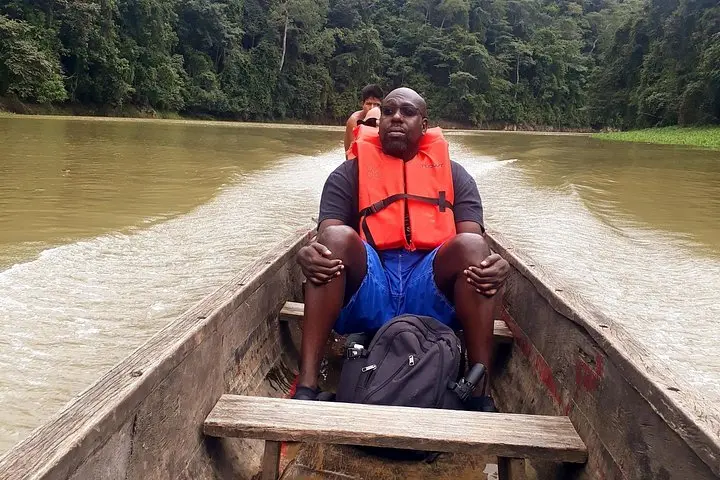
You push off from a narrow dock and the lake breathes beneath the canoe — a slow current daring you to lean into the rhythm. Palm-fringed shorelines slide past as the guide polishes a wooden paddle; birdcalls thread through the boat’s wake. In an hour the simple cluster of houses appears: thatch roofs, painted wood, and the bright laughter of children.
Verified experiences and guided adventures in the surrounding area.
Operated by LIVE FOLKS · Panama City, Panama Province
You push off from a narrow dock and the lake breathes beneath the canoe — a slow current daring you to lean into the rhythm. Palm-fringed shorelines slide past as the guide polishes a wooden paddle; birdcalls thread through the boat’s wake. In an hour the simple cluster of houses appears: thatch roofs, painted wood, and the bright laughter of children.
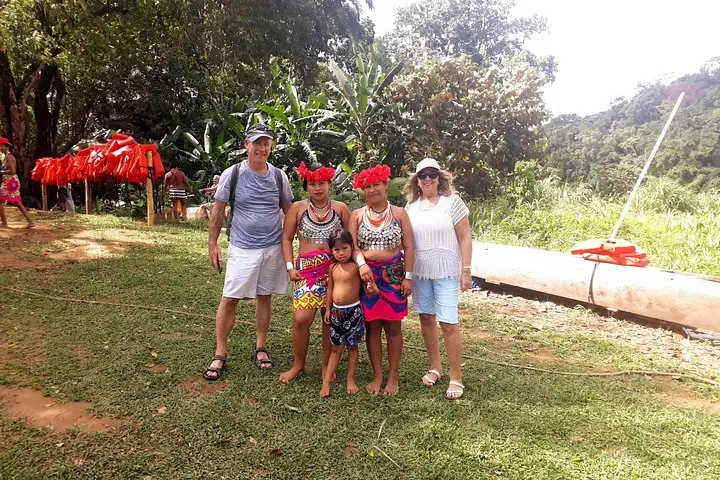
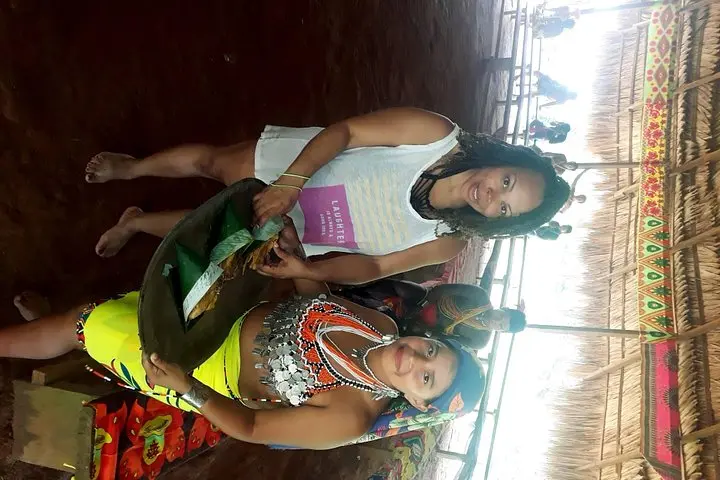
The Embera are one of Panama’s longest-continuous indigenous peoples, living along rivers and lakes for centuries. Geology here is young tropical lowland — sediment-fed lakes carved by damming and river terraces that feed waterfalls and narrow jungle trails. Culture is present-tense: drum and flute songs, woven baskets, and a living museum in the village where elders explain kinship, crafts, and the seasonal rounds that shape daily life.
Expect a mix of shallow canoe travel and short jungle walks (5–15 minutes) to a nearby waterfall when conditions allow. The itinerary typically includes a cultural demonstration, a visit to the community school and museum, lunch, and an offer of a traditional, non-permanent plant-based tattoo.
Practical guidance: carry insect repellent and a quick-dry change of clothes; the canoe ride can splash, and trails get muddy after rain. Wear sturdy, closed-toe shoes that can get wet. Photography is welcome, but ask before shooting people or ceremonies. Respect local customs and purchase crafts directly from artisans to support the village economy. Tours run about six hours out of Panama City and are best scheduled in the morning to avoid afternoon storms and boat traffic.
Most tours include air-conditioned transfers from Panama City hotels; pickups vary so confirm your pickup location and time when booking.
No — the Embera tattoo offered on this tour is non-permanent, made from plant-based pigment and applied without needles.
Basic facilities are available at the village; expect simple compost or pit-style toilets rather than full flush systems.
Yes, but the operator recommends good mobility and comfort in boats; small children should be supervised and may require life jackets.
LIVE FOLKS operates guided outdoor trips and adventures with an emphasis on safety, stewardship, and memorable experiences.

You push off from a narrow dock and the lake breathes beneath the canoe — a slow current daring you to lean into the rhythm. Palm-fringed shorelines slide past as the guide polishes a wooden paddle; birdcalls thread through the boat’s wake. In an hour the simple cluster of houses appears: thatch roofs, painted wood, and the bright laughter of children.
You push off from a narrow dock and the lake breathes beneath the canoe — a slow current daring you to lean into the rhythm. Palm-fringed shorelines slide past as the guide polishes a wooden paddle; birdcalls thread through the boat’s wake. In an hour the simple cluster of houses appears: thatch roofs, painted wood, and the bright laughter of children.
The Embera are one of Panama’s longest-continuous indigenous peoples, living along rivers and lakes for centuries. Geology here is young tropical lowland — sediment-fed lakes carved by damming and river terraces that feed waterfalls and narrow jungle trails. Culture is present-tense: drum and flute songs, woven baskets, and a living museum in the village where elders explain kinship, crafts, and the seasonal rounds that shape daily life.
Expect a mix of shallow canoe travel and short jungle walks (5–15 minutes) to a nearby waterfall when conditions allow. The itinerary typically includes a cultural demonstration, a visit to the community school and museum, lunch, and an offer of a traditional, non-permanent plant-based tattoo.
Practical guidance: carry insect repellent and a quick-dry change of clothes; the canoe ride can splash, and trails get muddy after rain. Wear sturdy, closed-toe shoes that can get wet. Photography is welcome, but ask before shooting people or ceremonies. Respect local customs and purchase crafts directly from artisans to support the village economy. Tours run about six hours out of Panama City and are best scheduled in the morning to avoid afternoon storms and boat traffic.