THE ADVENTURE COLLECTIVE® · Independent discovery and booking for outdoor travel

Glide up the Chagres River to an Emberá village for a day of canoeing, waterfall swims, dance demonstrations and locally made crafts. This full-day cultural tour pairs easy river travel with a short rainforest walk and a communal lunch.
Glide up the Chagres River to an Emberá village for a day of canoeing, waterfall swims, dance demonstrations and locally made crafts. This full-day cultural tour pairs easy river travel with a short rainforest walk and a communal lunch.
You step off the minibus and into the humid hush of the rainforest, the engine giving way to the chatter of tree frogs and the slap of paddles on slow water.
Verified experiences and guided adventures in the surrounding area.
Operated by Airport Travel and Discover Panama 365 · Panama City, Panamá Province
You step off the minibus and into the humid hush of the rainforest, the engine giving way to the chatter of tree frogs and the slap of paddles on slow water.
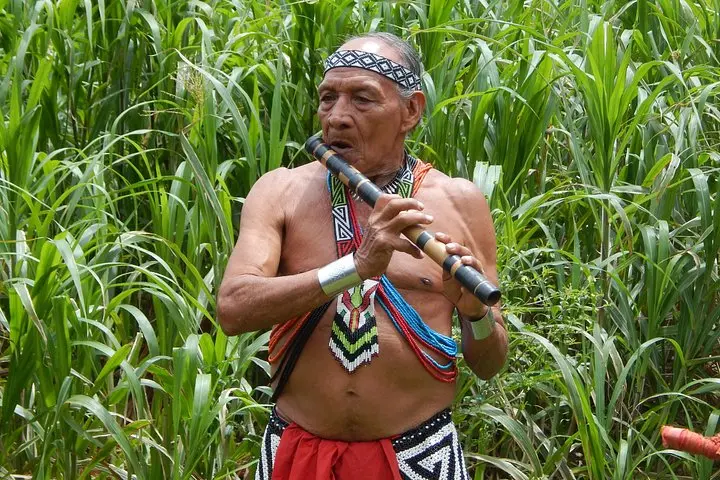
An hour from Panama City, the Chagres River opens like a living road. The canoe slips between overhanging figs and strangler vines; sunlight strips through the canopy in warm ribbons. This is the approach to an Emberá community—people whose songs and beadwork have long marked the riverine culture of central Panama.
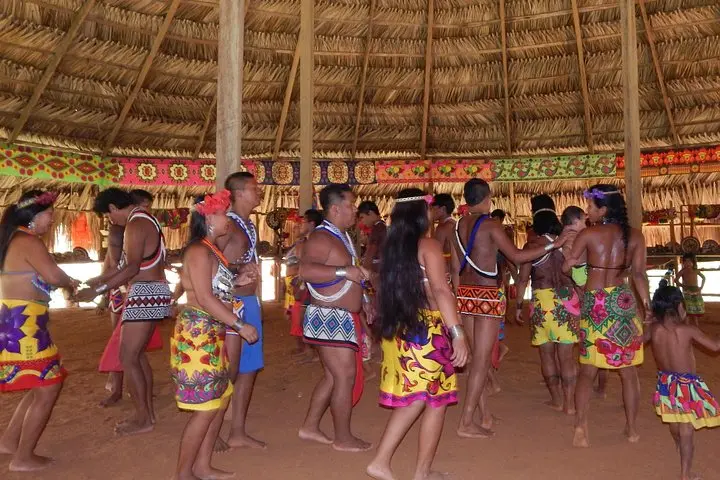
The area sits on the eastern edge of the Panama Canal watershed, where lowland tropical soil and folded limestone create the shallow channels and waterfalls that feed the Chagres. Emberá history in this region is oral and visible: body paint, woven mola-like crafts, and dances that mark harvests, courtship and storytelling.
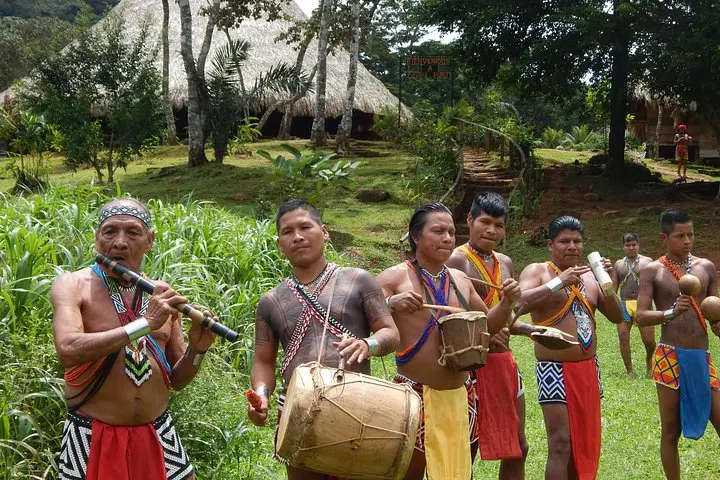
At the village, expect a deliberate pace—music first, then a communal lunch of fresh-caught fried fish, patacones and ripe tropical fruit. Artisans will show carving and basketry techniques; temporary natural-ink tattoos may be offered.
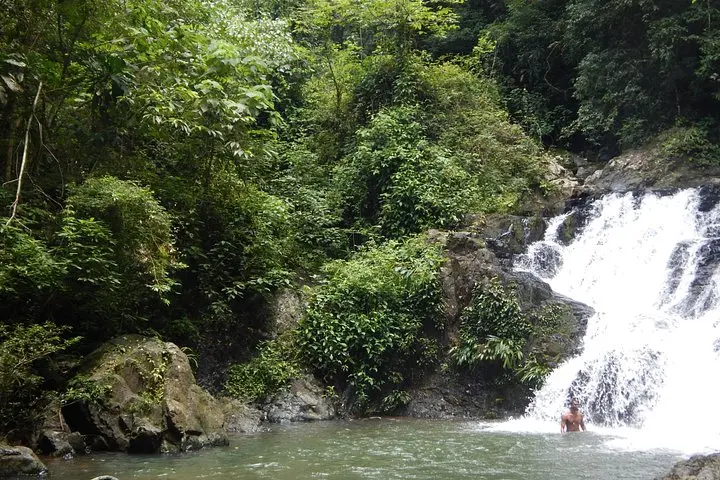
Practical note: the walking to the waterfall is about 20 minutes over uneven, often muddy trail; expect wet shoes and insect exposure. Pack a small dry bag, change of clothes and water, and plan for an 8-hour day including hotel transfers.
Respect local customs: ask before photographing people and purchase crafts directly from makers to support the community. Timing early in the morning reduces heat and insect activity and gives clearer light for river wildlife viewing.
The canoe segments vary but expect multiple short crossings and one longer cruise totaling around 30–60 minutes each way depending on water levels.
Ask permission before photographing people—many hosts welcome photos but prefer a brief exchange or small payment if you want posed images.
Yes—children can attend but must be supervised; the operator notes infants should sit on laps and families should be comfortable with canoe travel and short hikes.
Hotel pickup and drop-off (city limits), bottled water, lunch (fried fish, patacones, fruit), and the guided village visit are included.
Airport Travel and Discover Panama 365 operates guided outdoor trips and adventures with an emphasis on safety, stewardship, and memorable experiences.
You step off the minibus and into the humid hush of the rainforest, the engine giving way to the chatter of tree frogs and the slap of paddles on slow water.
You step off the minibus and into the humid hush of the rainforest, the engine giving way to the chatter of tree frogs and the slap of paddles on slow water.
An hour from Panama City, the Chagres River opens like a living road. The canoe slips between overhanging figs and strangler vines; sunlight strips through the canopy in warm ribbons. This is the approach to an Emberá community—people whose songs and beadwork have long marked the riverine culture of central Panama.
The area sits on the eastern edge of the Panama Canal watershed, where lowland tropical soil and folded limestone create the shallow channels and waterfalls that feed the Chagres. Emberá history in this region is oral and visible: body paint, woven mola-like crafts, and dances that mark harvests, courtship and storytelling.
At the village, expect a deliberate pace—music first, then a communal lunch of fresh-caught fried fish, patacones and ripe tropical fruit. Artisans will show carving and basketry techniques; temporary natural-ink tattoos may be offered.
Practical note: the walking to the waterfall is about 20 minutes over uneven, often muddy trail; expect wet shoes and insect exposure. Pack a small dry bag, change of clothes and water, and plan for an 8-hour day including hotel transfers.
Respect local customs: ask before photographing people and purchase crafts directly from makers to support the community. Timing early in the morning reduces heat and insect activity and gives clearer light for river wildlife viewing.