THE ADVENTURE COLLECTIVE® · Independent discovery and booking for outdoor travel

Get close to cheetahs, caracals, servals and African wildcats at Emdoneni, a rehabilitation and education centre near Hluhluwe. This guided day tour from Richards Bay pairs up‑close viewing with clear conservation context and accessible transport.
Get close to cheetahs, caracals, servals and African wildcats at Emdoneni, a rehabilitation and education centre near Hluhluwe. This guided day tour from Richards Bay pairs up‑close viewing with clear conservation context and accessible transport.
You step off the air-conditioned minivan into a hot, open yard and the cats—sharp-eared, deliberate—turn toward you as if measuring the day. Sun slides across tawny coats: cheetahs resting like living speed-lines, a caracal’s tufted ears flicking at flies, servals tall and precise among low grasses. The encounter feels close but controlled: guides lead small groups through viewing areas where animals live under rehabilitative care.
Verified experiences and guided adventures in the surrounding area.
Operated by 1st Zulu Safaris · Hluhluwe, KwaZulu-Natal
You step off the air-conditioned minivan into a hot, open yard and the cats—sharp-eared, deliberate—turn toward you as if measuring the day. Sun slides across tawny coats: cheetahs resting like living speed-lines, a caracal’s tufted ears flicking at flies, servals tall and precise among low grasses. The encounter feels close but controlled: guides lead small groups through viewing areas where animals live under rehabilitative care.
The Emdoneni Cat Project grew from local conservation needs in KwaZulu‑Natal, a region shaped by coastal plains and undulating thornveld that supports both small predators and larger game in nearby reserves. The facility connects modern rehabilitation techniques with public education, set against a landscape long shaped by Zulu culture and a history of community-based wildlife stewardship.
Expect a guided 90‑minute interpretive walk that discusses species biology, human‑wildlife conflict, and rehabilitation challenges. Guides explain how injuries and orphaning occur, and why careful handling and slow reintroduction matter. Photography is allowed from designated areas; the cats move on their terms and will often watch visitors as carefully as you watch them—nature here has its own agenda.
Plan for a full 6–8 hour outing when including pickup from Richards Bay and return time. Wear closed-toe shoes, sun protection and bring water; mornings offer cooler light and more active animals. The site is wheelchair accessible but notify operators ahead to confirm vehicle and seating arrangements. The tour balances close observation with clear rules—observe quietly, follow guide instructions, and you’ll leave with a clearer sense of the work required to keep wild cats wild.
Yes—this tour welcomes all ages; children should be supervised and follow the guide’s instructions for safety around animals.
Yes, Emdoneni reports wheelchair‑accessible areas and transport, but you must notify the operator ahead with size and weight details to confirm arrangements.
The guided visit at Emdoneni is about 90 minutes; total door‑to‑door duration from Richards Bay is typically 6–8 hours depending on traffic and pickup radius.
Photography from designated viewing areas is allowed; flash, entering enclosures or feeding animals is prohibited to protect their welfare.
1st Zulu Safaris operates guided outdoor trips and adventures with an emphasis on safety, stewardship, and memorable experiences.
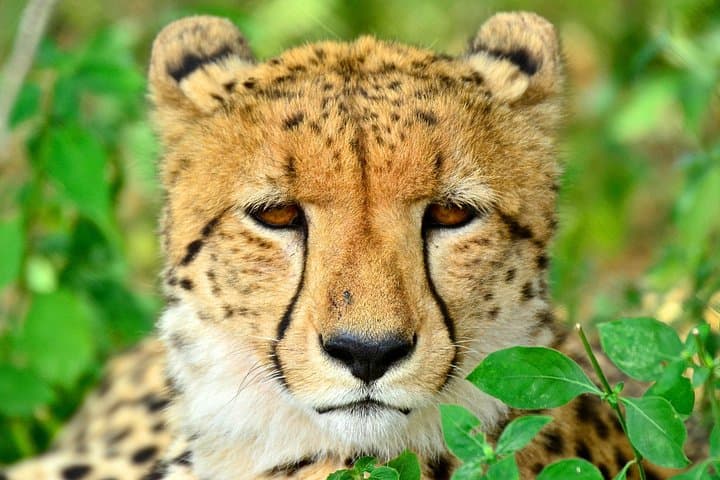
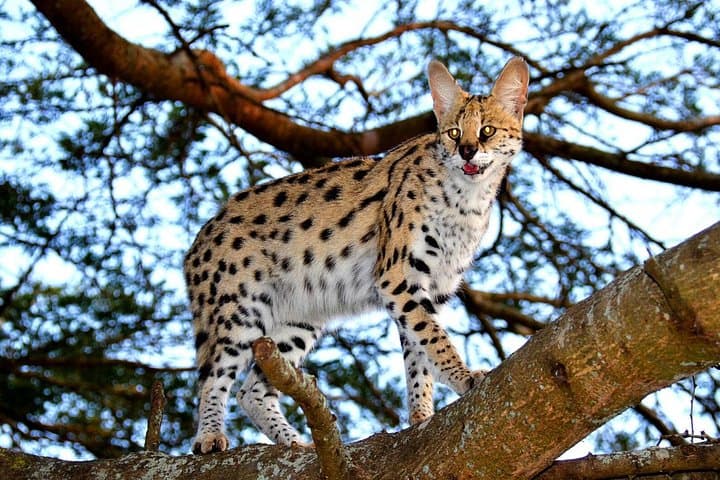
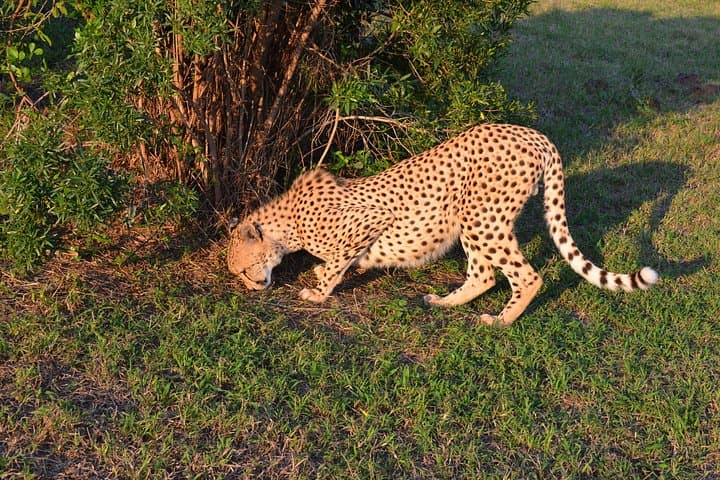
You step off the air-conditioned minivan into a hot, open yard and the cats—sharp-eared, deliberate—turn toward you as if measuring the day. Sun slides across tawny coats: cheetahs resting like living speed-lines, a caracal’s tufted ears flicking at flies, servals tall and precise among low grasses. The encounter feels close but controlled: guides lead small groups through viewing areas where animals live under rehabilitative care.
You step off the air-conditioned minivan into a hot, open yard and the cats—sharp-eared, deliberate—turn toward you as if measuring the day. Sun slides across tawny coats: cheetahs resting like living speed-lines, a caracal’s tufted ears flicking at flies, servals tall and precise among low grasses. The encounter feels close but controlled: guides lead small groups through viewing areas where animals live under rehabilitative care.
The Emdoneni Cat Project grew from local conservation needs in KwaZulu‑Natal, a region shaped by coastal plains and undulating thornveld that supports both small predators and larger game in nearby reserves. The facility connects modern rehabilitation techniques with public education, set against a landscape long shaped by Zulu culture and a history of community-based wildlife stewardship.
Expect a guided 90‑minute interpretive walk that discusses species biology, human‑wildlife conflict, and rehabilitation challenges. Guides explain how injuries and orphaning occur, and why careful handling and slow reintroduction matter. Photography is allowed from designated areas; the cats move on their terms and will often watch visitors as carefully as you watch them—nature here has its own agenda.
Plan for a full 6–8 hour outing when including pickup from Richards Bay and return time. Wear closed-toe shoes, sun protection and bring water; mornings offer cooler light and more active animals. The site is wheelchair accessible but notify operators ahead to confirm vehicle and seating arrangements. The tour balances close observation with clear rules—observe quietly, follow guide instructions, and you’ll leave with a clearer sense of the work required to keep wild cats wild.