THE ADVENTURE COLLECTIVE® · Independent discovery and booking for outdoor travel

Enter a private Emirati majlis for gahwa, homemade dinner, and candid conversation about food, family and local traditions. This intimate 3½-hour visit offers hands-on introductions to scents, textiles and majlis etiquette—ideal as an evening complement to Abu Dhabi sightseeing.
Enter a private Emirati majlis for gahwa, homemade dinner, and candid conversation about food, family and local traditions. This intimate 3½-hour visit offers hands-on introductions to scents, textiles and majlis etiquette—ideal as an evening complement to Abu Dhabi sightseeing.
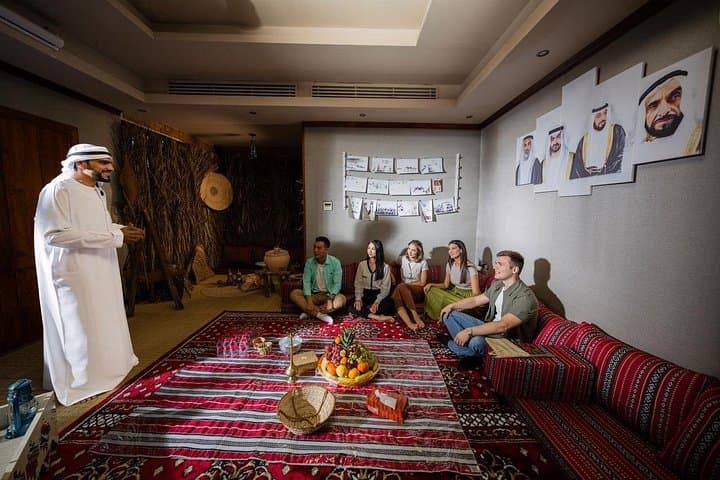
Stepping through a low doorway into a private Emirati home, visitors trade city clamor for a room that moves at human pace: cushions arranged around a majlis where gahwa steams and dates wait. The air fills with bukhoor and oud—scents that announce stories as much as hospitality—and a host settles guests for conversation that ranges from pearl-diving memory to modern family life.
Verified experiences and guided adventures in the surrounding area.
Operated by Tour by Emirati · Abu Dhabi, Abu Dhabi
Stepping through a low doorway into a private Emirati home, visitors trade city clamor for a room that moves at human pace: cushions arranged around a majlis where gahwa steams and dates wait. The air fills with bukhoor and oud—scents that announce stories as much as hospitality—and a host settles guests for conversation that ranges from pearl-diving memory to modern family life.
The program situates contemporary Emirati life within a longer history: coastal pearling, Bedouin desert travel, and rapid oil-fueled change that reshaped Abu Dhabi in a generation. Material culture appears as tools of meaning—the dallah coffee pot, sadu weaving, and the mabkhara (incense burner)—each introduced with plain explanation and invitation to try. Women’s roles, culinary traditions and etiquette around the majlis are discussed candidly, giving context to the city’s museums and mosques.
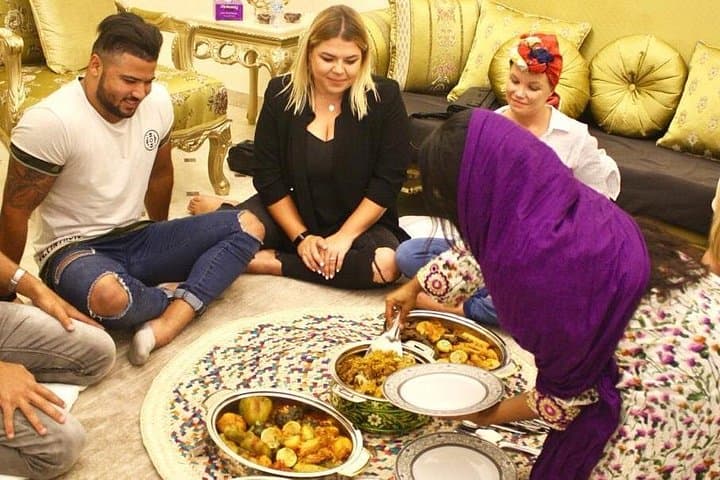
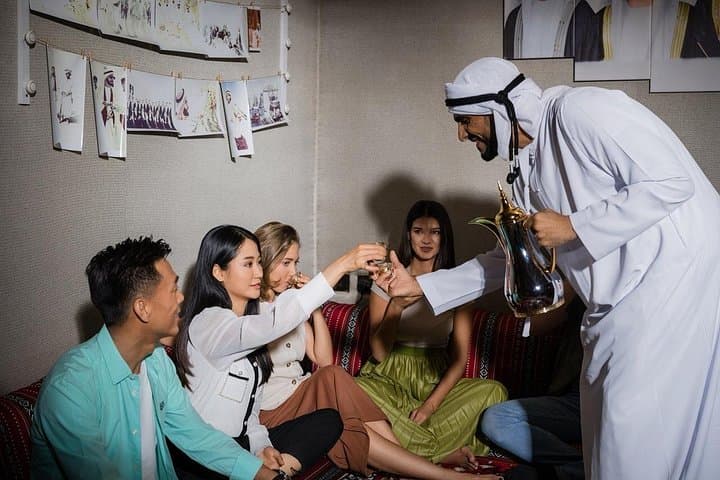
Practically, this is a calm, seated cultural exchange rather than a performance—guests are welcomed with Arabic coffee, homemade sweets, a shared dinner (floor seating by custom, table on request), and Sulaimani tea. Expect a warm, informal conversation, photo-friendly setups, and clear guidance on greeting and dress.
For travelers, the experience is best in the evening after a day of touring Abu Dhabi: wear modest, comfortable clothing, mention dietary needs when booking, and come with questions. The setting is intimate and educational—a short, rich entry point into Emirati daily life that pairs well with visits to nearby Qasr Al Hosn or the Corniche.
Yes—infants and small children are welcome; the host can accommodate strollers and infant seating.
Yes—guests should state dietary requirements at booking so hosts can adjust dishes accordingly.
By custom dinner is served on the floor, but a dining table is provided on request for guests who cannot sit on the floor.
Photography is permitted but guests should ask permission before photographing hosts, especially family members or heirlooms.
Tour by Emirati operates guided outdoor trips and adventures with an emphasis on safety, stewardship, and memorable experiences.

Stepping through a low doorway into a private Emirati home, visitors trade city clamor for a room that moves at human pace: cushions arranged around a majlis where gahwa steams and dates wait. The air fills with bukhoor and oud—scents that announce stories as much as hospitality—and a host settles guests for conversation that ranges from pearl-diving memory to modern family life.
Stepping through a low doorway into a private Emirati home, visitors trade city clamor for a room that moves at human pace: cushions arranged around a majlis where gahwa steams and dates wait. The air fills with bukhoor and oud—scents that announce stories as much as hospitality—and a host settles guests for conversation that ranges from pearl-diving memory to modern family life.
The program situates contemporary Emirati life within a longer history: coastal pearling, Bedouin desert travel, and rapid oil-fueled change that reshaped Abu Dhabi in a generation. Material culture appears as tools of meaning—the dallah coffee pot, sadu weaving, and the mabkhara (incense burner)—each introduced with plain explanation and invitation to try. Women’s roles, culinary traditions and etiquette around the majlis are discussed candidly, giving context to the city’s museums and mosques.
Practically, this is a calm, seated cultural exchange rather than a performance—guests are welcomed with Arabic coffee, homemade sweets, a shared dinner (floor seating by custom, table on request), and Sulaimani tea. Expect a warm, informal conversation, photo-friendly setups, and clear guidance on greeting and dress.
For travelers, the experience is best in the evening after a day of touring Abu Dhabi: wear modest, comfortable clothing, mention dietary needs when booking, and come with questions. The setting is intimate and educational—a short, rich entry point into Emirati daily life that pairs well with visits to nearby Qasr Al Hosn or the Corniche.