THE ADVENTURE COLLECTIVE® · Independent discovery and booking for outdoor travel

Explore Beirut’s carved courtyards and historic residences on a private cultural tour that pairs architectural detail with local stories. This 3–8 hour outing is accessible, walkable and rich in Ottoman and Levantine heritage.
Explore Beirut’s carved courtyards and historic residences on a private cultural tour that pairs architectural detail with local stories. This 3–8 hour outing is accessible, walkable and rich in Ottoman and Levantine heritage.
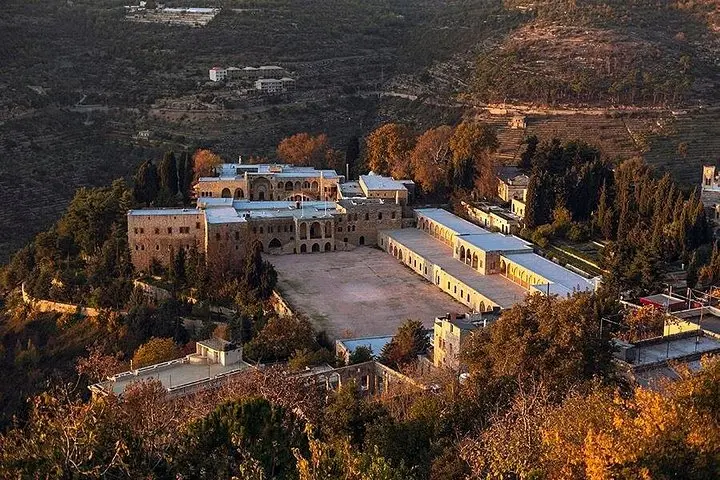
You step through a low stone portal into a shaded courtyard where lemon trees shade carved wooden balconies and the air smells of cardamom coffee. Courtyards, mashrabiya screens and coated limestone walls frame this private, guided look at Beirut’s elite residences and nearby palaces — places where local families, Ottoman-era officials and later Mandate administrators left visible marks on the urban fabric.
Verified experiences and guided adventures in the surrounding area.
Operated by Taste Lebanon - Private Day Tours · Beirut, Beirut Governorate
You step through a low stone portal into a shaded courtyard where lemon trees shade carved wooden balconies and the air smells of cardamom coffee. Courtyards, mashrabiya screens and coated limestone walls frame this private, guided look at Beirut’s elite residences and nearby palaces — places where local families, Ottoman-era officials and later Mandate administrators left visible marks on the urban fabric.
The route varies by operator but the narrative is constant: Ottoman and Levantine architectural details, 19th-century marble staircases, and the legacy of local emirs who shaped Mount Lebanon’s politics. Geologically, the city sits on a limestone platform that yields warm, honey-colored stone used in façades; the Mediterranean climate means dry summers and wet winters, which shaped courtyard planning and roof terraces.
Beyond architecture, expect cultural context: family histories, Lebanese craft traditions (inlaid wood, stone carving), and the ritual of coffee or tea — often included. The experience blends walking and short transfers and can run from a compact three-hour walk to a full, eight-hour private exploration of greater Beirut and nearby Chouf sites.
Practical edge: wear comfortable walking shoes for cobbles, carry water, and plan morning or late-afternoon starts to avoid peak sun. Many sites are wheelchair-accessible but ask ahead for specific palace access. Bring modest clothing for visits to historic homes and always respect private property and photography rules. For independent planners, combine this tour with a museum stop or a meal in a traditional Lebanese house to sample regional mezzes and flavors.
Tours vary by booking — expect a minimum of about three hours for a city-focused tour and up to eight hours if the itinerary includes nearby palaces or Chouf sites.
Many stops are wheelchair accessible but access to certain historic homes or upper floors can be limited; confirm accessibility when booking.
Some operators include coffee or tea and light refreshments; full meals are usually not included unless specified in the itinerary.
Smart-casual and modest clothing is appropriate; comfortable shoes for walking and a light layer for coastal breezes are recommended.
Taste Lebanon - Private Day Tours operates guided outdoor trips and adventures with an emphasis on safety, stewardship, and memorable experiences.
You step through a low stone portal into a shaded courtyard where lemon trees shade carved wooden balconies and the air smells of cardamom coffee. Courtyards, mashrabiya screens and coated limestone walls frame this private, guided look at Beirut’s elite residences and nearby palaces — places where local families, Ottoman-era officials and later Mandate administrators left visible marks on the urban fabric.
You step through a low stone portal into a shaded courtyard where lemon trees shade carved wooden balconies and the air smells of cardamom coffee. Courtyards, mashrabiya screens and coated limestone walls frame this private, guided look at Beirut’s elite residences and nearby palaces — places where local families, Ottoman-era officials and later Mandate administrators left visible marks on the urban fabric.
The route varies by operator but the narrative is constant: Ottoman and Levantine architectural details, 19th-century marble staircases, and the legacy of local emirs who shaped Mount Lebanon’s politics. Geologically, the city sits on a limestone platform that yields warm, honey-colored stone used in façades; the Mediterranean climate means dry summers and wet winters, which shaped courtyard planning and roof terraces.
Beyond architecture, expect cultural context: family histories, Lebanese craft traditions (inlaid wood, stone carving), and the ritual of coffee or tea — often included. The experience blends walking and short transfers and can run from a compact three-hour walk to a full, eight-hour private exploration of greater Beirut and nearby Chouf sites.
Practical edge: wear comfortable walking shoes for cobbles, carry water, and plan morning or late-afternoon starts to avoid peak sun. Many sites are wheelchair-accessible but ask ahead for specific palace access. Bring modest clothing for visits to historic homes and always respect private property and photography rules. For independent planners, combine this tour with a museum stop or a meal in a traditional Lebanese house to sample regional mezzes and flavors.