THE ADVENTURE COLLECTIVE® · Independent discovery and booking for outdoor travel
Walk Liverpool’s festive heart on a private two‑hour tour that threads the Christmas Market, Bold Street’s indie shops, Liverpool ONE’s decorations, and the lights of Royal Albert Dock. Local guide-led stops, short walks, and seasonal treats make this an easy, atmospheric city stroll.
Walk Liverpool’s festive heart on a private two‑hour tour that threads the Christmas Market, Bold Street’s indie shops, Liverpool ONE’s decorations, and the lights of Royal Albert Dock. Local guide-led stops, short walks, and seasonal treats make this an easy, atmospheric city stroll.
The lights of Liverpool’s waterfront take on a different edge in winter — glass and brick warmed by strings of bulbs, steam from food stalls drifting across cobbles. You begin beneath the Royal Albert Dock’s iron arches, the river Mersey daring you to look past the glow and remember the city’s working port. A local guide steers the group through the market’s hum, where mulled wine and roasted chestnuts punctuate conversations and the air carries the sharp sweetness of winter spices.
Verified experiences and guided adventures in the surrounding area.
Operated by Opatrip England · Liverpool, Merseyside
The lights of Liverpool’s waterfront take on a different edge in winter — glass and brick warmed by strings of bulbs, steam from food stalls drifting across cobbles. You begin beneath the Royal Albert Dock’s iron arches, the river Mersey daring you to look past the glow and remember the city’s working port. A local guide steers the group through the market’s hum, where mulled wine and roasted chestnuts punctuate conversations and the air carries the sharp sweetness of winter spices.
Liverpool’s story is maritime and industrial: the docks were 19th-century engines of trade and migration, and their warehouses now house museums and cafés. Bold Street, once a route for merchants and immigrants, shows Liverpool’s culture in indie shops, record stores, and café counters that trade in stories as much as coffee. Geology here is subtle — red sandstone façades and reclaimed timber speak to material reuse; the waterfront’s exposed brick and iron tell of tides, trade, and repair.
Expect short stretches on paved streets and cobbles, frequent stops at market stalls, and a steady, easy pace suitable for most walkers. Wear waterproof layers and comfortable shoes; crowds swell on weekend evenings and public holidays. Bring contactless payment and a charged phone for photos — the lights reflect off canal water and metalwork in ways that reward a patient eye.
Practical guidance: book a private slot to tailor timing and avoid busiest hours, allow two hours to cover all stops, and leave extra time afterwards to explore a museum or the waterfront promenade.
The tour runs about two hours and covers roughly 1–2 miles with frequent stops at market stalls and points of interest.
Yes — the pace is leisurely and accessible for most ages; let the operator know of any mobility needs when booking.
No — food, drinks, and souvenirs at the Christmas Market are typically pay-as-you-go and not included in the tour price.
As a private tour, guides often adapt routes and timing; check cancellation and change policies and inform the operator of preferences in advance.
Opatrip England operates guided outdoor trips and adventures with an emphasis on safety, stewardship, and memorable experiences.
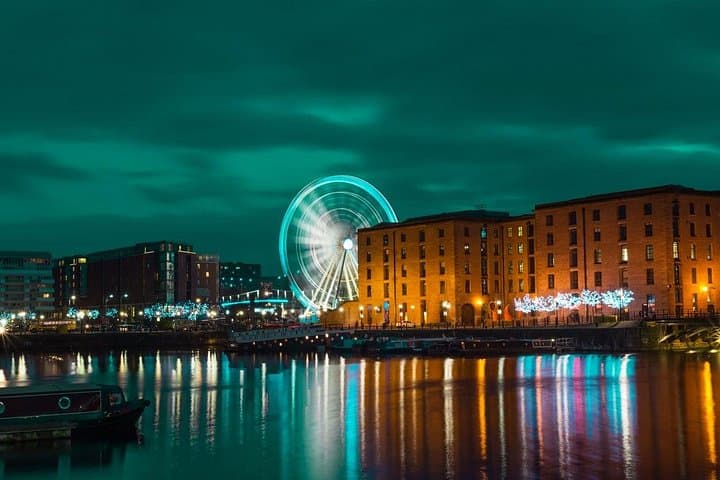

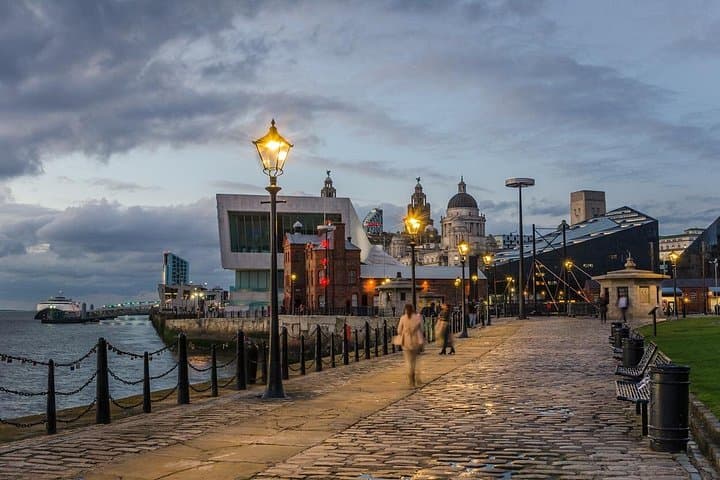

The lights of Liverpool’s waterfront take on a different edge in winter — glass and brick warmed by strings of bulbs, steam from food stalls drifting across cobbles. You begin beneath the Royal Albert Dock’s iron arches, the river Mersey daring you to look past the glow and remember the city’s working port. A local guide steers the group through the market’s hum, where mulled wine and roasted chestnuts punctuate conversations and the air carries the sharp sweetness of winter spices.
The lights of Liverpool’s waterfront take on a different edge in winter — glass and brick warmed by strings of bulbs, steam from food stalls drifting across cobbles. You begin beneath the Royal Albert Dock’s iron arches, the river Mersey daring you to look past the glow and remember the city’s working port. A local guide steers the group through the market’s hum, where mulled wine and roasted chestnuts punctuate conversations and the air carries the sharp sweetness of winter spices.
Liverpool’s story is maritime and industrial: the docks were 19th-century engines of trade and migration, and their warehouses now house museums and cafés. Bold Street, once a route for merchants and immigrants, shows Liverpool’s culture in indie shops, record stores, and café counters that trade in stories as much as coffee. Geology here is subtle — red sandstone façades and reclaimed timber speak to material reuse; the waterfront’s exposed brick and iron tell of tides, trade, and repair.
Expect short stretches on paved streets and cobbles, frequent stops at market stalls, and a steady, easy pace suitable for most walkers. Wear waterproof layers and comfortable shoes; crowds swell on weekend evenings and public holidays. Bring contactless payment and a charged phone for photos — the lights reflect off canal water and metalwork in ways that reward a patient eye.
Practical guidance: book a private slot to tailor timing and avoid busiest hours, allow two hours to cover all stops, and leave extra time afterwards to explore a museum or the waterfront promenade.
