THE ADVENTURE COLLECTIVE® · Independent discovery and booking for outdoor travel

Traverse sandstone arches, hidden gueltas and fossil river tracks on a 10-day expedition into Chad’s Ennedi Massif. This remote bivouac route combines off-road travel with short treks to ancient rock art and rare desert waterholes.
Traverse sandstone arches, hidden gueltas and fossil river tracks on a 10-day expedition into Chad’s Ennedi Massif. This remote bivouac route combines off-road travel with short treks to ancient rock art and rare desert waterholes.
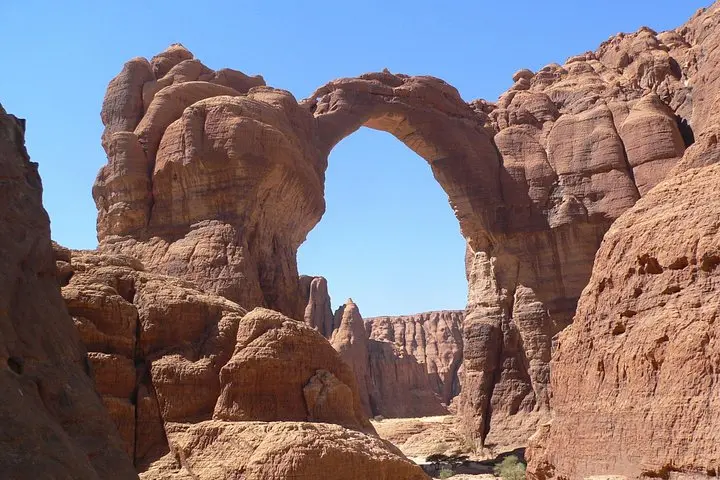
A morning breeze pushes sand across a low ridge and the sandstone arches of the Ennedi Massif glow like fired clay. The convoy slows; drivers exchange signals as camels lift their heads at the edge of the track. You step out onto compacted sand and feel the scale — towers, mushroom rocks and windowed cliffs that have been shaped by wind and time.
Verified experiences and guided adventures in the surrounding area.
Operated by Eyte Voyages Tchad · Fada, Ennedi
A morning breeze pushes sand across a low ridge and the sandstone arches of the Ennedi Massif glow like fired clay. The convoy slows; drivers exchange signals as camels lift their heads at the edge of the track. You step out onto compacted sand and feel the scale — towers, mushroom rocks and windowed cliffs that have been shaped by wind and time.
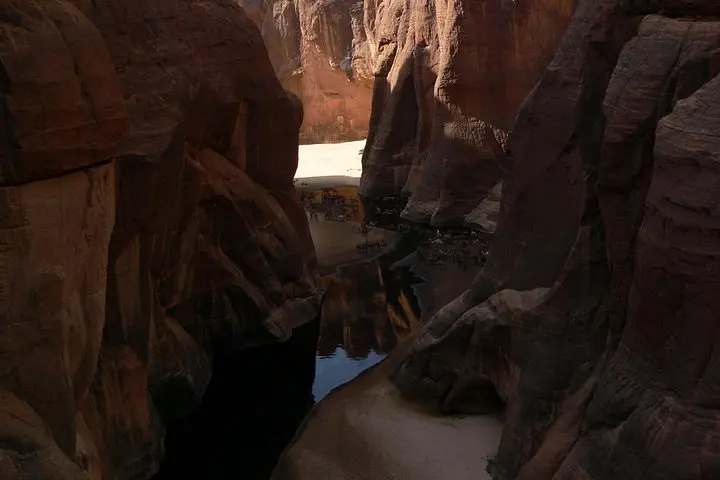
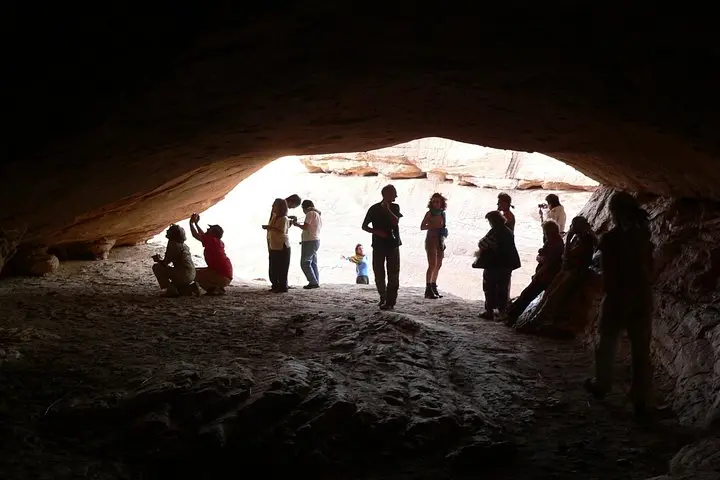
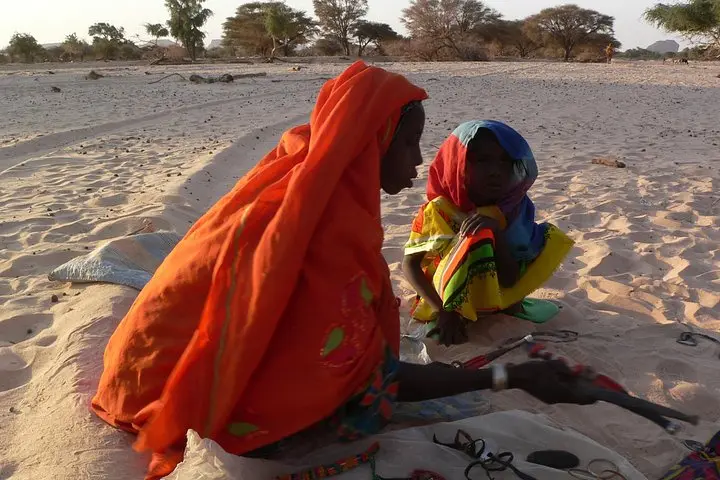
This 10-day route threads through the Batha plains into the heart of the Ennedi Natural Reserve, a remote Saharan landscape shaped from Nubian sandstone and punctuated by gueltas — permanent pools that collect precious groundwater. Human history is written on the canyon walls: millennia-old rock paintings, evidence of prehistoric herds and the trade routes once used by trans-Saharan caravans. Today the Toubou and Hadjerai communities still move across this terrain, tending livestock and gathering at seasonal wells.
Expect long days in the truck, late afternoons setting tents at bivouac, and short treks to lookout points and gueltas like Bachikelè and Guelta d'Archei. Nights are cold and clear; water is strictly rationed and the landscape demands low-impact travel. Pack for sun, cold nights, and dusty conditions; bring sturdy boots for rocky approaches and a good headlamp for camp chores.
The trip is a study in contrasts: fragile pools that sustain life, vast dune fields that seem to test your attention, and arches that invite quiet inspection. Practical preparation—vaccinations, passport checks, and contingency plans for bumpy desert driving—makes the experience accessible and rewarding for travelers ready to move deliberately through one of the Sahara’s least visited wilds.
Very remote: long off-road drives, multi-day bivouacs and minimal nearby services make this a true expedition with local support teams.
You may spot desert-adapted wildlife — gazelles and birds are common; Saharan crocodiles survive in a few gueltas but sightings aren’t guaranteed.
Valid passport with required visa for Chad is essential; consult a travel clinic about routine and region-specific vaccines well before travel.
Yes — tents and bivouac setups are included per the itinerary, but personal sleep systems and comfort items are recommended.
Eyte Voyages Tchad operates guided outdoor trips and adventures with an emphasis on safety, stewardship, and memorable experiences.
A morning breeze pushes sand across a low ridge and the sandstone arches of the Ennedi Massif glow like fired clay. The convoy slows; drivers exchange signals as camels lift their heads at the edge of the track. You step out onto compacted sand and feel the scale — towers, mushroom rocks and windowed cliffs that have been shaped by wind and time.
A morning breeze pushes sand across a low ridge and the sandstone arches of the Ennedi Massif glow like fired clay. The convoy slows; drivers exchange signals as camels lift their heads at the edge of the track. You step out onto compacted sand and feel the scale — towers, mushroom rocks and windowed cliffs that have been shaped by wind and time.
This 10-day route threads through the Batha plains into the heart of the Ennedi Natural Reserve, a remote Saharan landscape shaped from Nubian sandstone and punctuated by gueltas — permanent pools that collect precious groundwater. Human history is written on the canyon walls: millennia-old rock paintings, evidence of prehistoric herds and the trade routes once used by trans-Saharan caravans. Today the Toubou and Hadjerai communities still move across this terrain, tending livestock and gathering at seasonal wells.
Expect long days in the truck, late afternoons setting tents at bivouac, and short treks to lookout points and gueltas like Bachikelè and Guelta d'Archei. Nights are cold and clear; water is strictly rationed and the landscape demands low-impact travel. Pack for sun, cold nights, and dusty conditions; bring sturdy boots for rocky approaches and a good headlamp for camp chores.
The trip is a study in contrasts: fragile pools that sustain life, vast dune fields that seem to test your attention, and arches that invite quiet inspection. Practical preparation—vaccinations, passport checks, and contingency plans for bumpy desert driving—makes the experience accessible and rewarding for travelers ready to move deliberately through one of the Sahara’s least visited wilds.