THE ADVENTURE COLLECTIVE® · Independent discovery and booking for outdoor travel

Walk Enoshima’s coastal lanes from Fujisawa: sample fresh shirasu, climb to red torii and explore wave-carved caves. This 2½-hour tour blends food, faith and rugged seaside geology with stairs and short hills throughout.
Walk Enoshima’s coastal lanes from Fujisawa: sample fresh shirasu, climb to red torii and explore wave-carved caves. This 2½-hour tour blends food, faith and rugged seaside geology with stairs and short hills throughout.
You arrive at the foot of the torii and the sea pulls your attention east — gulls wheel, waves chatter against volcanic rock, and a narrow lane climbs toward red gates and shrine roofs.
Verified experiences and guided adventures in the surrounding area.
Operated by gotcha · Fujisawa, Kanagawa
You arrive at the foot of the torii and the sea pulls your attention east — gulls wheel, waves chatter against volcanic rock, and a narrow lane climbs toward red gates and shrine roofs.
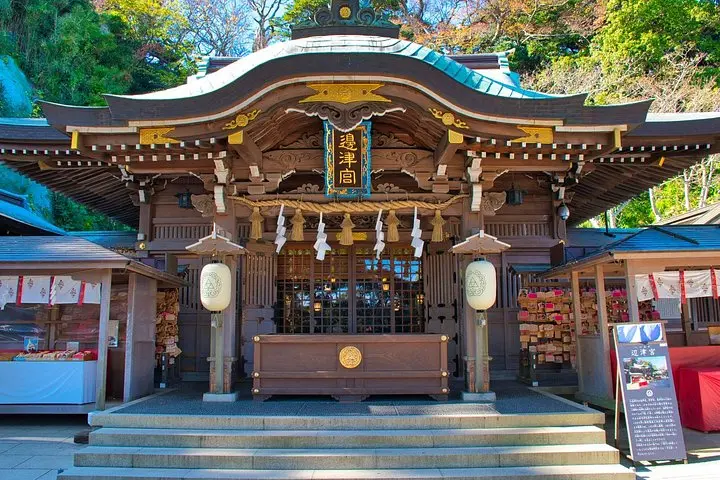
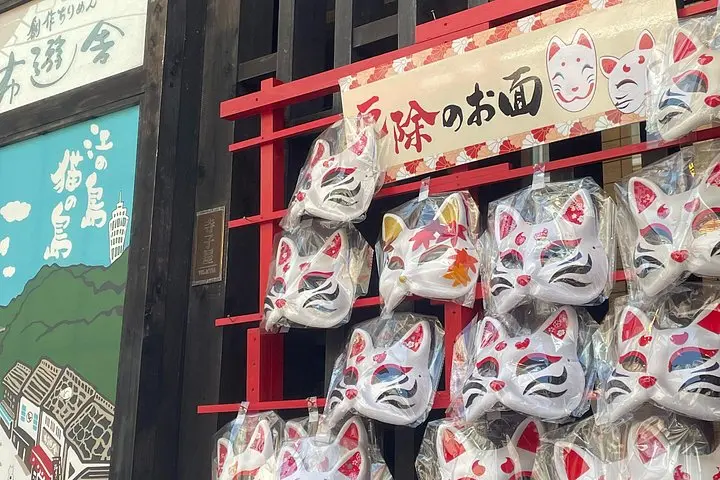
This 2½-hour walk threads together Enoshima’s coastal geology, religious history and street food. The island rose and fell under seismic hands; wave-cut caves like Enoshima Iwaya were hollowed by the sea and later exposed by uplift, creating low, echoing chambers where visitors once lit candles. Enoshima Shrine dates back to the Kamakura period and carries the island’s long association with Benzaiten, worshipped for safe seas and artistic skill. On the approach, Miwayamichi and Benzaiten Nakamise Dori show Edo-period street patterns, small shops selling shirasu bowls, tako senbei and local sweets.
Expect stairs, short hills and narrow pedestrian lanes rather than flat promenades; the island’s rock and concrete steps shape the pace. The caves offer dim, tactile passages where you’ll feel the weight of salt and stone; the Shrine’s vermilion torii frames ocean views you can stand beneath for a moment of perspective.
Practical guidance: wear grippy walking shoes and carry water and cash for food stalls. Time your visit for morning or late afternoon to avoid crowds and mid-day sun; check tide tables if you hope to explore lower cave entrances. Be prepared to ascend and descend many steps — mobility restrictions will make parts of the route difficult. Leave shells and marine life in place and pack out trash to protect this compact coastal environment.
Expect frequent stairs and short hills across the island; the route is about 2–3 hours with uneven surfaces—not ideal for those with mobility issues.
Yes, it is open year-round but sections can be damp and narrow; follow staff directions and footwear warnings.
The tour includes access to Enoshima Iwaya and escalator tickets, but food at stalls is typically paid separately—bring cash for small vendors.
Visitors may enter shrine precincts and observe rituals; follow etiquette—bow at torii, remain quiet, and avoid obstructing worshippers.
gotcha operates guided outdoor trips and adventures with an emphasis on safety, stewardship, and memorable experiences.


You arrive at the foot of the torii and the sea pulls your attention east — gulls wheel, waves chatter against volcanic rock, and a narrow lane climbs toward red gates and shrine roofs.
You arrive at the foot of the torii and the sea pulls your attention east — gulls wheel, waves chatter against volcanic rock, and a narrow lane climbs toward red gates and shrine roofs.
This 2½-hour walk threads together Enoshima’s coastal geology, religious history and street food. The island rose and fell under seismic hands; wave-cut caves like Enoshima Iwaya were hollowed by the sea and later exposed by uplift, creating low, echoing chambers where visitors once lit candles. Enoshima Shrine dates back to the Kamakura period and carries the island’s long association with Benzaiten, worshipped for safe seas and artistic skill. On the approach, Miwayamichi and Benzaiten Nakamise Dori show Edo-period street patterns, small shops selling shirasu bowls, tako senbei and local sweets.
Expect stairs, short hills and narrow pedestrian lanes rather than flat promenades; the island’s rock and concrete steps shape the pace. The caves offer dim, tactile passages where you’ll feel the weight of salt and stone; the Shrine’s vermilion torii frames ocean views you can stand beneath for a moment of perspective.
Practical guidance: wear grippy walking shoes and carry water and cash for food stalls. Time your visit for morning or late afternoon to avoid crowds and mid-day sun; check tide tables if you hope to explore lower cave entrances. Be prepared to ascend and descend many steps — mobility restrictions will make parts of the route difficult. Leave shells and marine life in place and pack out trash to protect this compact coastal environment.