THE ADVENTURE COLLECTIVE® · Independent discovery and booking for outdoor travel

Spend a full day exploring Mabamba Wetland, reptile exhibits, a wildlife rescue centre, Kigungu shoreline, and Entebbe Botanical Gardens. Morning canoe trips and guided encounters make this a wildlife-rich, hands-on conservation experience.
Spend a full day exploring Mabamba Wetland, reptile exhibits, a wildlife rescue centre, Kigungu shoreline, and Entebbe Botanical Gardens. Morning canoe trips and guided encounters make this a wildlife-rich, hands-on conservation experience.
The day begins before the sun climbs high, a motorized canoe cutting through papyrus channels as Lake Victoria breathes cool onto your face. In Mabamba Wetland the marshes hold their own rhythm; the shoebill stands like a patient watchman among reeds, while the wetland’s calls—herons, kingfishers, the rare Blue Swallow—punctuate the quiet.
Verified experiences and guided adventures in the surrounding area.
Operated by Gazelle Safari Company · Entebbe, Central Region
The day begins before the sun climbs high, a motorized canoe cutting through papyrus channels as Lake Victoria breathes cool onto your face. In Mabamba Wetland the marshes hold their own rhythm; the shoebill stands like a patient watchman among reeds, while the wetland’s calls—herons, kingfishers, the rare Blue Swallow—punctuate the quiet.
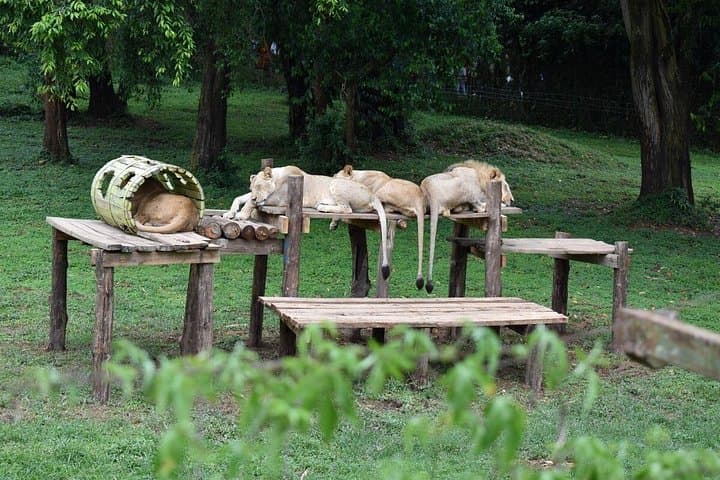
This route threads colonial-era and conservation history: Kigungu’s shoreline marks the 1879 arrival of early missionaries, Entebbe Botanical Gardens dates back to late 19th-century agricultural work, and the Uganda Wildlife Conservation Education Centre (est. 1952) now rehabilitates native species. Geologically you’re on the Victoria Basin—shallow lake plains and papyrus-silt wetlands that filter water and feed local fisheries.
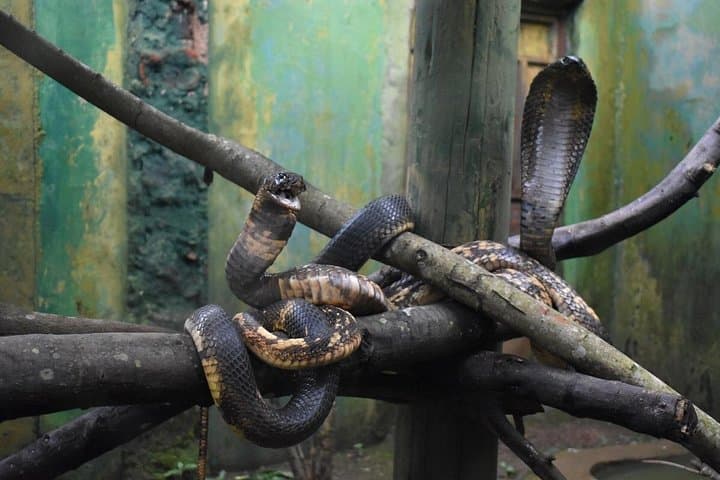
Cultural notes surface at small fishing settlements and the Reptile Village, where community-run conservation meets hands-on encounters with pythons and tortoises. Expect a mix of canoe travel, short dirt-path walks, shaded garden trails, and paved access at larger facilities.
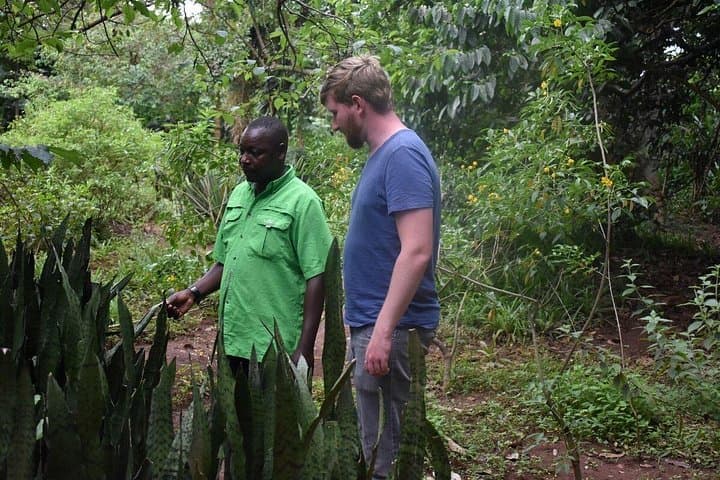
Practical guidance: this is a full 9–10 hour day with moderate walking and canoe transfers—bring binoculars, sturdy waterproof shoes, insect protection, sun layers, and cash for small community fees or tips. Morning launches improve shoebill chances; wildlife enclosures at the conservation centre offer guided keeper talks and optional behind-the-scenes access. Pace yourself: hydration and steady footwear make the difference between a rushed visit and a memorable day that balances close encounters with low-impact wildlife viewing.
Expect a 9–10 hour private day tour with multiple stops: a 1–3 hour canoe visit, reptile park, wildlife education centre, historical shore visit, and botanical gardens—moderate pace with guided transitions.
No species can be guaranteed; morning canoe trips significantly increase chances, and Mabamba is one of the best places in the world to see shoebill when conditions are right.
Yes—infants must sit on an adult’s lap; family-friendly elements exist, but some locations require attention around animals and water.
Partial accessibility: vehicle transfers are provided but canoe boarding, muddy paths, and some rougher terrain make it less suitable for those with significant mobility limitations or serious cardiovascular concerns.
Gazelle Safari Company operates guided outdoor trips and adventures with an emphasis on safety, stewardship, and memorable experiences.
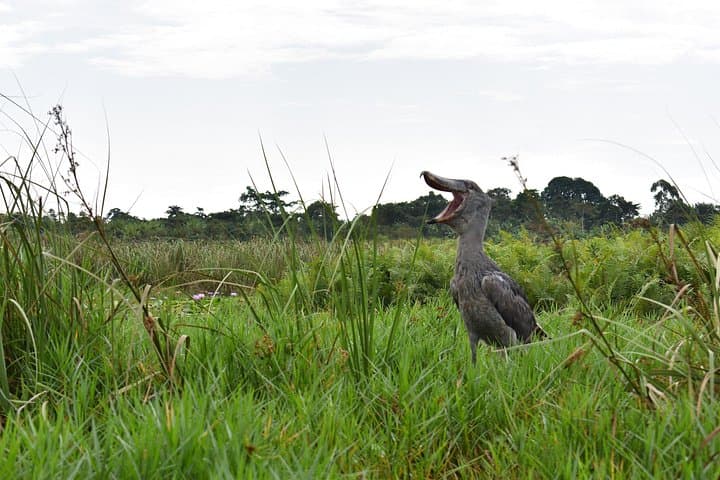
The day begins before the sun climbs high, a motorized canoe cutting through papyrus channels as Lake Victoria breathes cool onto your face. In Mabamba Wetland the marshes hold their own rhythm; the shoebill stands like a patient watchman among reeds, while the wetland’s calls—herons, kingfishers, the rare Blue Swallow—punctuate the quiet.
The day begins before the sun climbs high, a motorized canoe cutting through papyrus channels as Lake Victoria breathes cool onto your face. In Mabamba Wetland the marshes hold their own rhythm; the shoebill stands like a patient watchman among reeds, while the wetland’s calls—herons, kingfishers, the rare Blue Swallow—punctuate the quiet.
This route threads colonial-era and conservation history: Kigungu’s shoreline marks the 1879 arrival of early missionaries, Entebbe Botanical Gardens dates back to late 19th-century agricultural work, and the Uganda Wildlife Conservation Education Centre (est. 1952) now rehabilitates native species. Geologically you’re on the Victoria Basin—shallow lake plains and papyrus-silt wetlands that filter water and feed local fisheries.
Cultural notes surface at small fishing settlements and the Reptile Village, where community-run conservation meets hands-on encounters with pythons and tortoises. Expect a mix of canoe travel, short dirt-path walks, shaded garden trails, and paved access at larger facilities.
Practical guidance: this is a full 9–10 hour day with moderate walking and canoe transfers—bring binoculars, sturdy waterproof shoes, insect protection, sun layers, and cash for small community fees or tips. Morning launches improve shoebill chances; wildlife enclosures at the conservation centre offer guided keeper talks and optional behind-the-scenes access. Pace yourself: hydration and steady footwear make the difference between a rushed visit and a memorable day that balances close encounters with low-impact wildlife viewing.