THE ADVENTURE COLLECTIVE® · Independent discovery and booking for outdoor travel

Walk Entebbe with a local female guide who blends natural history, colonial-era landmarks, and lively market stops. Expect close encounters with monkeys, lakeside gardens, and practical tips for navigating the town on foot.
Walk Entebbe with a local female guide who blends natural history, colonial-era landmarks, and lively market stops. Expect close encounters with monkeys, lakeside gardens, and practical tips for navigating the town on foot.
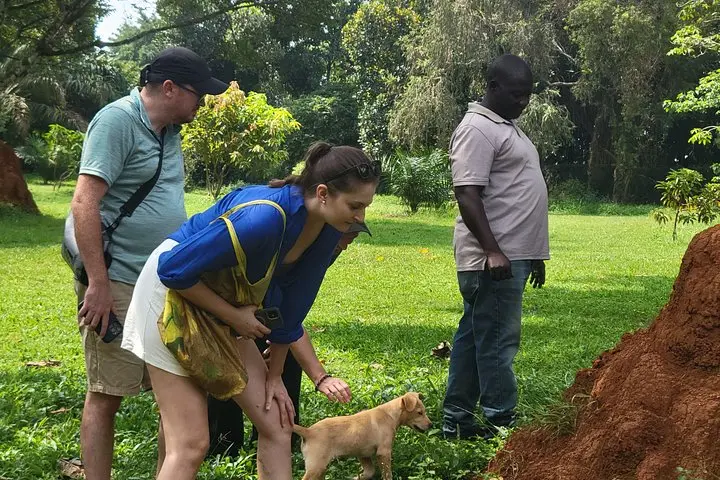
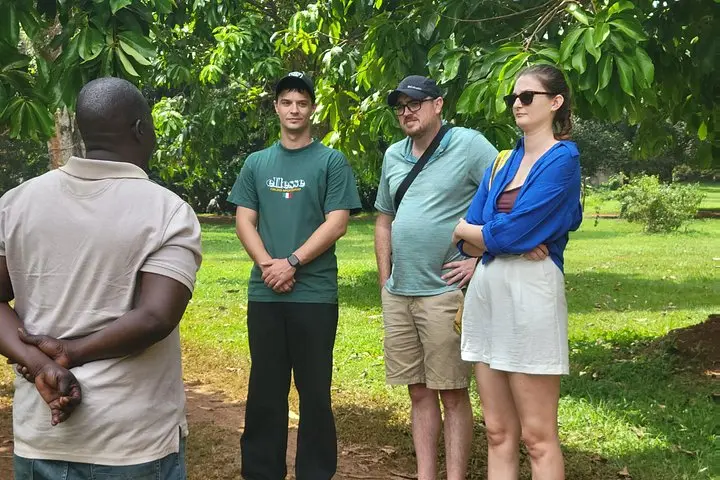
A warm lake breeze carries the cry of kingfishers and the chatter of vervet monkeys as you step off the main road and into Entebbe’s quieter streets. This female-led walking tour threads lakeside gardens, a bustling market, and shaded colonial-era grounds—places where the lake pushes close and the town keeps its own steady rhythm.
Verified experiences and guided adventures in the surrounding area.
Operated by Free Walking Tours Kampala · Entebbe, Wakiso District
A warm lake breeze carries the cry of kingfishers and the chatter of vervet monkeys as you step off the main road and into Entebbe’s quieter streets. This female-led walking tour threads lakeside gardens, a bustling market, and shaded colonial-era grounds—places where the lake pushes close and the town keeps its own steady rhythm.
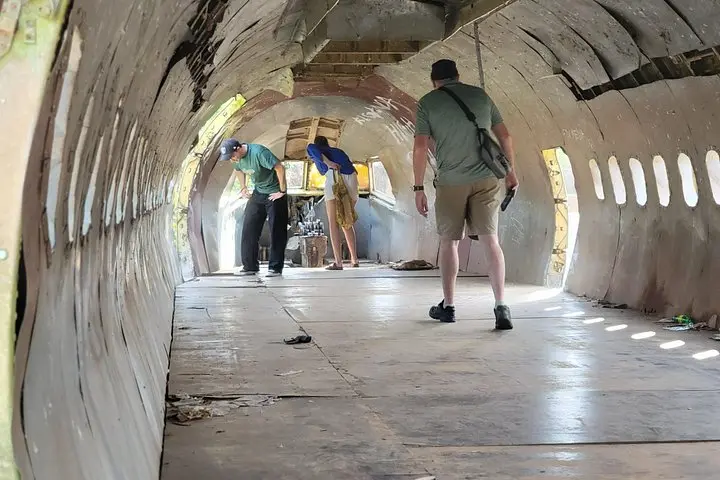
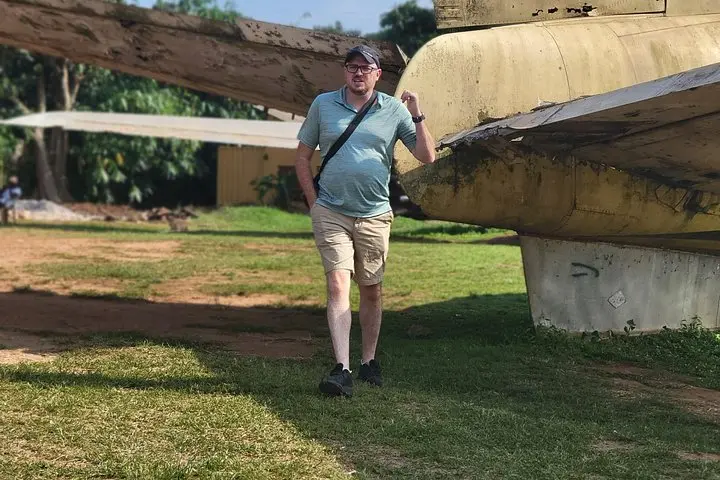
Entebbe was Uganda’s administrative center under British rule and served briefly as the seat of government until Kampala became the capital after independence; traces of that era remain in the botanical research station and the old golf course pines. Geologically the area is low-lying lakeshore plain, soft soil tested by early agricultural experiments, and a shoreline that shapes local fishing and market culture. Guides weave local stories—how the town moved through colonial planning, the 1976 airlift that passed through these skies, and how craft and market stalls grew around the port.
Expect a mix of short walking segments on paved and compacted dirt paths, easy neighborhood streets, and one or two grassy or uneven spots near the botanical gardens and shore. Wildlife is close: watch for black-and-white colobus and common waterbirds among the trees. Practical notes: bring insect repellent, a refillable water bottle, and small local currency for modest entrance fees and market purchases. The tour runs about 3–4 hours, is suitable for most fitness levels, and offers an intimate local perspective—stories, snacks, and the small-scale commerce that keeps Entebbe moving.
Some sites visited—like the botanical gardens and aircraft exhibit—may charge small entrance fees payable on-site; the tour’s inclusions list bottled water and guiding fees only.
Guides commonly speak English and Luganda; guides may also provide local context in additional Ugandan languages depending on the group.
Yes; the route is short and rated easy, but parents should supervise children around wildlife and busy streets.
Meeting details are provided at booking; typical meeting points are central Entebbe near the lakeshore or a designated hotel pickup depending on arrangements.
Free Walking Tours Kampala operates guided outdoor trips and adventures with an emphasis on safety, stewardship, and memorable experiences.
A warm lake breeze carries the cry of kingfishers and the chatter of vervet monkeys as you step off the main road and into Entebbe’s quieter streets. This female-led walking tour threads lakeside gardens, a bustling market, and shaded colonial-era grounds—places where the lake pushes close and the town keeps its own steady rhythm.
A warm lake breeze carries the cry of kingfishers and the chatter of vervet monkeys as you step off the main road and into Entebbe’s quieter streets. This female-led walking tour threads lakeside gardens, a bustling market, and shaded colonial-era grounds—places where the lake pushes close and the town keeps its own steady rhythm.
Entebbe was Uganda’s administrative center under British rule and served briefly as the seat of government until Kampala became the capital after independence; traces of that era remain in the botanical research station and the old golf course pines. Geologically the area is low-lying lakeshore plain, soft soil tested by early agricultural experiments, and a shoreline that shapes local fishing and market culture. Guides weave local stories—how the town moved through colonial planning, the 1976 airlift that passed through these skies, and how craft and market stalls grew around the port.
Expect a mix of short walking segments on paved and compacted dirt paths, easy neighborhood streets, and one or two grassy or uneven spots near the botanical gardens and shore. Wildlife is close: watch for black-and-white colobus and common waterbirds among the trees. Practical notes: bring insect repellent, a refillable water bottle, and small local currency for modest entrance fees and market purchases. The tour runs about 3–4 hours, is suitable for most fitness levels, and offers an intimate local perspective—stories, snacks, and the small-scale commerce that keeps Entebbe moving.