THE ADVENTURE COLLECTIVE® · Independent discovery and booking for outdoor travel

A compact 2-day exploration around Ephesus that pairs classical ruins with hands-on village dining in Şirince and Selçuk. Ideal for travelers who want archaeology, local cuisine and manageable walking spread over two days.
A compact 2-day exploration around Ephesus that pairs classical ruins with hands-on village dining in Şirince and Selçuk. Ideal for travelers who want archaeology, local cuisine and manageable walking spread over two days.
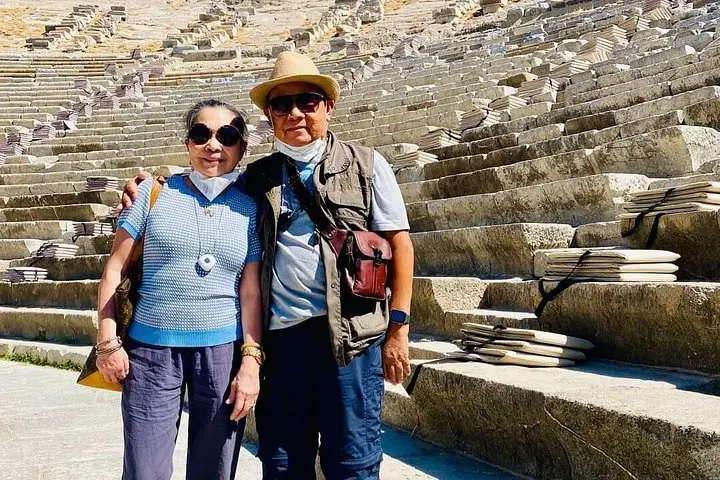
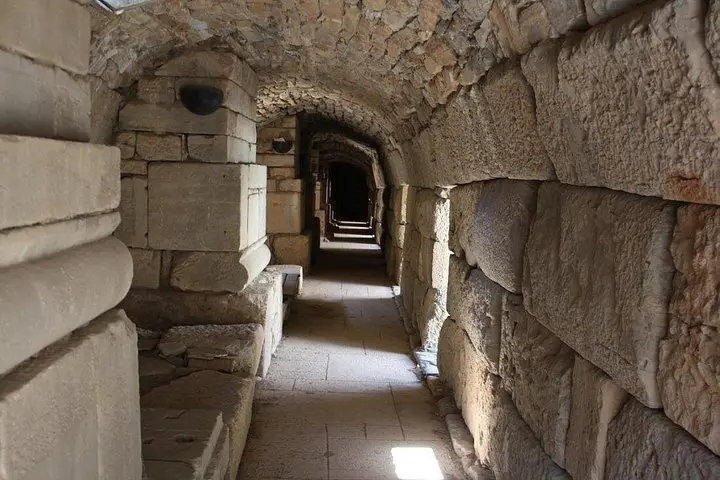
You step down from a small Anatolian airport into thin Aegean light and the air tastes faintly of olive and sea. By afternoon you’re walking the marble street of Ephesus where Roman footsteps still echo; the Library of Celsus watches like a carved cliff face while wind teases dust from columns.
Verified experiences and guided adventures in the surrounding area.
Operated by Epic Cappadocia · Selçuk, Izmir
You step down from a small Anatolian airport into thin Aegean light and the air tastes faintly of olive and sea. By afternoon you’re walking the marble street of Ephesus where Roman footsteps still echo; the Library of Celsus watches like a carved cliff face while wind teases dust from columns.
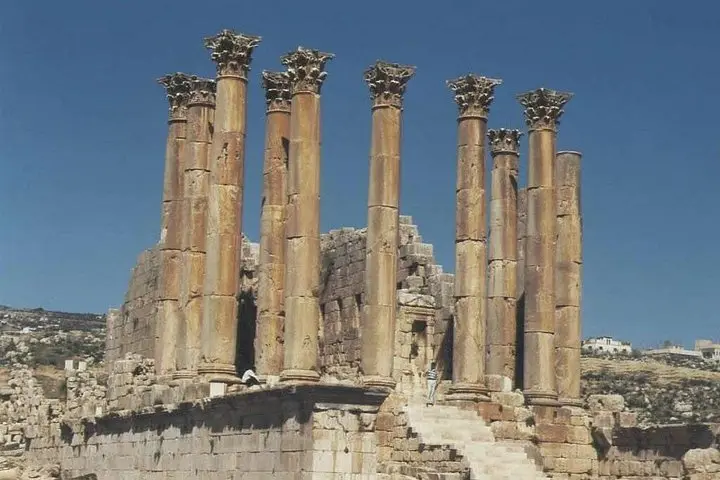
This two-day route stitches together classical archaeology, Ottoman architecture and village life. Ephesus itself rose from a Bronze Age harbor into a Roman metropolis—home to the Temple of Artemis (one of the ancient wonders) and later Christian landmarks like the Basilica of St. John. The plain below is limestone and alluvial soil carved by seasonal streams; seismic shifts over millennia have reshaped harbors into fields, leaving ruins inland.
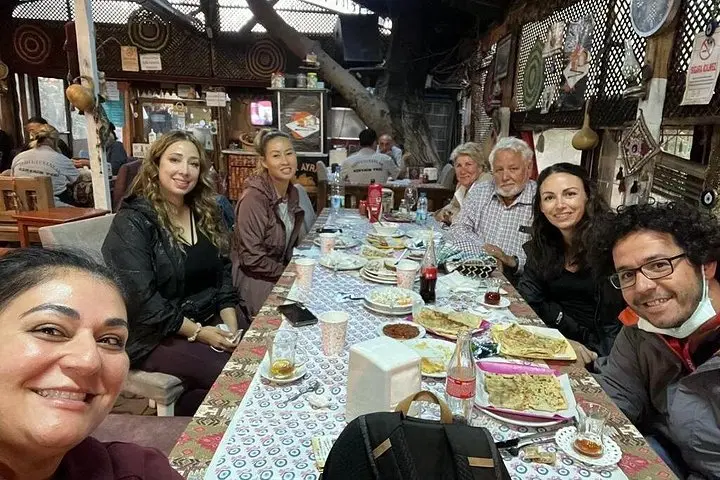
Culturally the trip pivots to the small-scale: a gözleme cooking demo, a family-hosted meze dinner and Şirince’s fruit wines reveal local foodways. Iznik tilework at Isa Bey Mosque offers a glimpse of Anatolian craftsmanship between eras.
Practical edge: expect 3–4 km of walking inside the archaeological park with mostly even stone surfaces and occasional inclines at Ayasuluk Hill—elevation change is modest (under ~100 m). Sun protection, comfortable low-ankle shoes, and a refillable water bottle make long walks tolerable. Timing matters—early morning or late afternoon visits cut crowds and heat. The itinerary includes a domestic flight from Cappadocia to Izmir and overnight in Selçuk; bring small cash for village purchases and plan for variable weather between coastal breezes and inland warmth.
This itinerary lists included admissions for key sites—verify tickets are covered before travel; the archaeological site also has an on-site ticket office.
Plan for roughly 3–4 km of on-site walking at Ephesus with mostly flat but uneven stone surfaces and short inclines.
Village-hosted meals and demonstrations can often accommodate common dietary needs if you notify the operator in advance.
The tour is described as physically easy, but the ruins have uneven ground and steps; wheelchair access is limited—check specific accessibility options ahead of booking.
Epic Cappadocia operates guided outdoor trips and adventures with an emphasis on safety, stewardship, and memorable experiences.
You step down from a small Anatolian airport into thin Aegean light and the air tastes faintly of olive and sea. By afternoon you’re walking the marble street of Ephesus where Roman footsteps still echo; the Library of Celsus watches like a carved cliff face while wind teases dust from columns.
You step down from a small Anatolian airport into thin Aegean light and the air tastes faintly of olive and sea. By afternoon you’re walking the marble street of Ephesus where Roman footsteps still echo; the Library of Celsus watches like a carved cliff face while wind teases dust from columns.
This two-day route stitches together classical archaeology, Ottoman architecture and village life. Ephesus itself rose from a Bronze Age harbor into a Roman metropolis—home to the Temple of Artemis (one of the ancient wonders) and later Christian landmarks like the Basilica of St. John. The plain below is limestone and alluvial soil carved by seasonal streams; seismic shifts over millennia have reshaped harbors into fields, leaving ruins inland.
Culturally the trip pivots to the small-scale: a gözleme cooking demo, a family-hosted meze dinner and Şirince’s fruit wines reveal local foodways. Iznik tilework at Isa Bey Mosque offers a glimpse of Anatolian craftsmanship between eras.
Practical edge: expect 3–4 km of walking inside the archaeological park with mostly even stone surfaces and occasional inclines at Ayasuluk Hill—elevation change is modest (under ~100 m). Sun protection, comfortable low-ankle shoes, and a refillable water bottle make long walks tolerable. Timing matters—early morning or late afternoon visits cut crowds and heat. The itinerary includes a domestic flight from Cappadocia to Izmir and overnight in Selçuk; bring small cash for village purchases and plan for variable weather between coastal breezes and inland warmth.