THE ADVENTURE COLLECTIVE® · Independent discovery and booking for outdoor travel

Explore Ephesus’ marble avenues and a quiet pilgrimage house above the Aladağ foothills on a well-paced shore excursion from Kusadası. Expect guided history, a traditional Turkish lunch, and an optional hammam to round out the day.
Explore Ephesus’ marble avenues and a quiet pilgrimage house above the Aladağ foothills on a well-paced shore excursion from Kusadası. Expect guided history, a traditional Turkish lunch, and an optional hammam to round out the day.
The morning light softens the marble columns as the group disembarks at Kusadası and climbs into a comfortable, air-conditioned minivan bound for Ephesus. Narrow lanes open to olive-dusted hills and, then, the city’s wide stone avenues: the Library of Celsus stares back with carved eyes, the theatre’s terraces slope like a waiting audience, and the ruins hum with the slow, persistent work of sea-borne trade that once defined this coast.
Verified experiences and guided adventures in the surrounding area.
Operated by SeaDrop Travel · Kuşadası, Aydın
The morning light softens the marble columns as the group disembarks at Kusadası and climbs into a comfortable, air-conditioned minivan bound for Ephesus. Narrow lanes open to olive-dusted hills and, then, the city’s wide stone avenues: the Library of Celsus stares back with carved eyes, the theatre’s terraces slope like a waiting audience, and the ruins hum with the slow, persistent work of sea-borne trade that once defined this coast.
Ephesus grew from an Ionic port into a Roman metropolis; its layers record Hellenistic commerce, imperial building programs, and early Christian pilgrimage. The House of the Virgin Mary sits higher in the Aladağ foothills, a quiet chapel and stone house where tradition and pilgrimage converge — Pope Paul VI visited in 1967 — while nearby towns like Şirince preserve Ottoman and Greek-era craft traditions.
Practicalities shape the day: expect roughly 2–3 km of walking on uneven, often sun-exposed stone with steps and narrow alleys; the guided visit usually allocates about two hours in Ephesus and an hour at the Virgin Mary site. A traditional Turkish lunch offers a pause and local flavors; an optional hammam is available afterwards for a restorative finish.
Plan for strong sun, sudden weather shifts in shoulder seasons, and crowds mid-day. Wear sturdy shoes, carry water and a hat, and bring your passport if you want reduced admission or combined tickets. The rhythm of the sites rewards a steady pace — slow enough to read an inscription, quick enough to stay on schedule for ship return.
Most shore excursions include transport and a licensed guide but not the archaeological site entrance fee; confirm with your operator before departure.
The traditional hammam is optional—it can be added after lunch for an extra fee and typically requires a short additional time allocation.
The operator lists wheelchair accessibility, but Ephesus itself has uneven terrain and steps; travelers with mobility limits should check vehicle access and ask about alternative viewing points.
The itinerary commonly includes a handicrafts cooperative and brief stops near Selçuk or Şirince, allowing time to browse without jeopardizing the guaranteed return to port.
SeaDrop Travel operates guided outdoor trips and adventures with an emphasis on safety, stewardship, and memorable experiences.
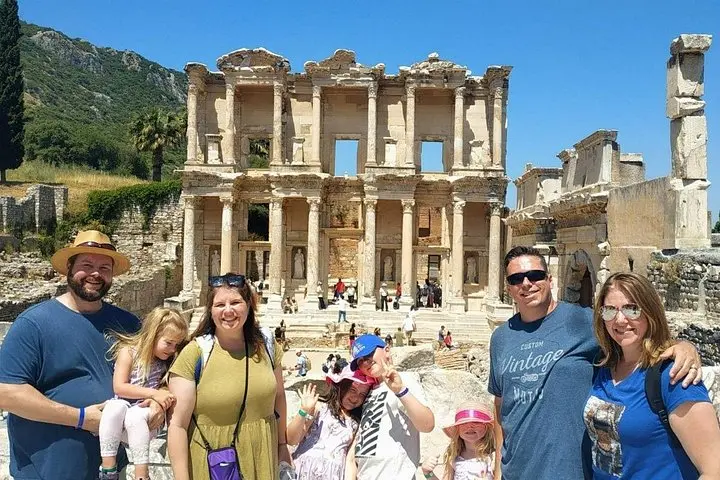
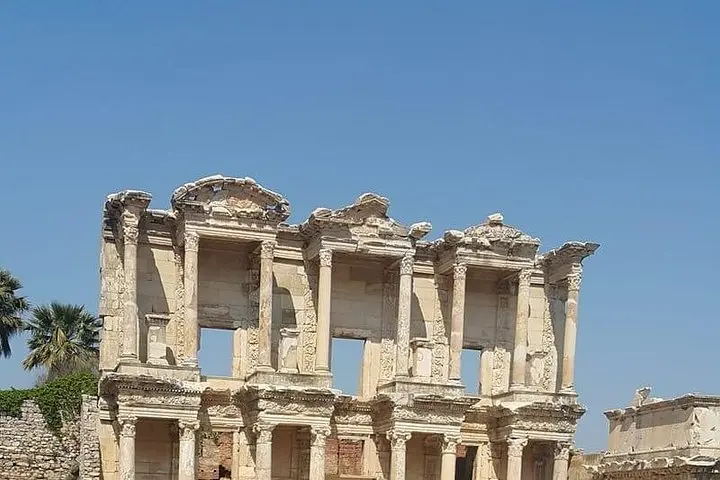
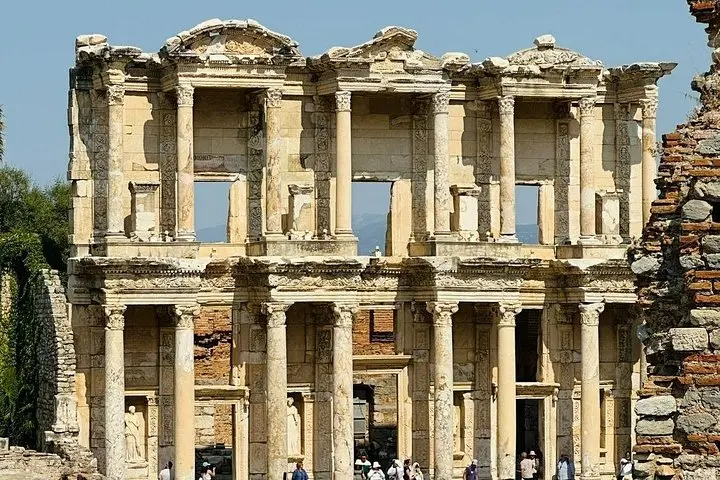
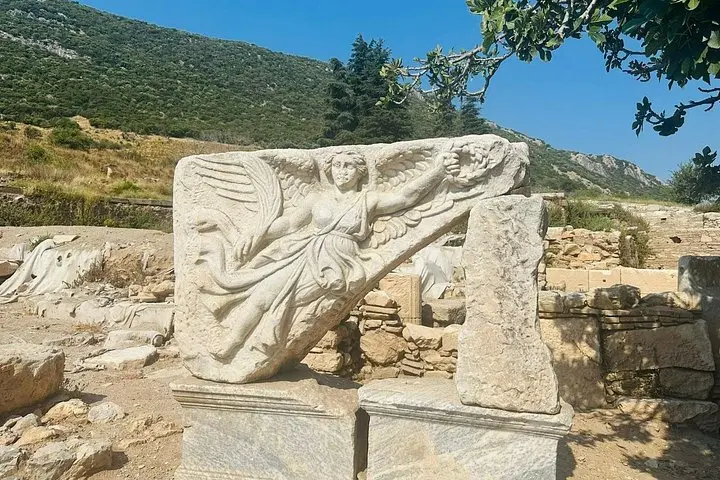
The morning light softens the marble columns as the group disembarks at Kusadası and climbs into a comfortable, air-conditioned minivan bound for Ephesus. Narrow lanes open to olive-dusted hills and, then, the city’s wide stone avenues: the Library of Celsus stares back with carved eyes, the theatre’s terraces slope like a waiting audience, and the ruins hum with the slow, persistent work of sea-borne trade that once defined this coast.
The morning light softens the marble columns as the group disembarks at Kusadası and climbs into a comfortable, air-conditioned minivan bound for Ephesus. Narrow lanes open to olive-dusted hills and, then, the city’s wide stone avenues: the Library of Celsus stares back with carved eyes, the theatre’s terraces slope like a waiting audience, and the ruins hum with the slow, persistent work of sea-borne trade that once defined this coast.
Ephesus grew from an Ionic port into a Roman metropolis; its layers record Hellenistic commerce, imperial building programs, and early Christian pilgrimage. The House of the Virgin Mary sits higher in the Aladağ foothills, a quiet chapel and stone house where tradition and pilgrimage converge — Pope Paul VI visited in 1967 — while nearby towns like Şirince preserve Ottoman and Greek-era craft traditions.
Practicalities shape the day: expect roughly 2–3 km of walking on uneven, often sun-exposed stone with steps and narrow alleys; the guided visit usually allocates about two hours in Ephesus and an hour at the Virgin Mary site. A traditional Turkish lunch offers a pause and local flavors; an optional hammam is available afterwards for a restorative finish.
Plan for strong sun, sudden weather shifts in shoulder seasons, and crowds mid-day. Wear sturdy shoes, carry water and a hat, and bring your passport if you want reduced admission or combined tickets. The rhythm of the sites rewards a steady pace — slow enough to read an inscription, quick enough to stay on schedule for ship return.