THE ADVENTURE COLLECTIVE® · Independent discovery and booking for outdoor travel

Two packed days that pair Greco-Roman Ephesus with the otherworldly white terraces of Pamukkale. Expect long drives, lots of walking on uneven stone, warm thermal water, and layered history at every stop.
Two packed days that pair Greco-Roman Ephesus with the otherworldly white terraces of Pamukkale. Expect long drives, lots of walking on uneven stone, warm thermal water, and layered history at every stop.
You arrive early in Aegean light, air smelling faintly of sea and citrus, stepping from a minivan onto marble streets walked by Romans two millennia ago. The first day moves from the stone ramp of Ephesus — broad colonnades, the Celsus façade, weathered theatre seating — into quieter pilgrimage at the House of the Virgin and Saint John’s church. The next morning the road pushes inland for about three hours (≈190 km) to Pamukkale, where white travertine terraces spill down a hillside and warm spring water dares your bare feet.
Verified experiences and guided adventures in the surrounding area.
Operated by POMEGRANATE TOUR · Kuşadası, Aydın Province
You arrive early in Aegean light, air smelling faintly of sea and citrus, stepping from a minivan onto marble streets walked by Romans two millennia ago. The first day moves from the stone ramp of Ephesus — broad colonnades, the Celsus façade, weathered theatre seating — into quieter pilgrimage at the House of the Virgin and Saint John’s church. The next morning the road pushes inland for about three hours (≈190 km) to Pamukkale, where white travertine terraces spill down a hillside and warm spring water dares your bare feet.
Ephesus grew into a major Roman port and administrative center; its marble streets and public baths reveal engineering and civic life. Pamukkale’s terraces are chemical architecture: calcium-carbonate–rich springs deposited over millennia to build stepped basins. Nearby Hierapolis began as a Greco-Roman spa town; its necropolis and theatre show burial and performance practices layered on geothermal geology.
Culture here is direct — local guides weave myth and history while village markets near Selçuk and the hill village of Şirince offer small-batch olive oil and fruit wines. Practically, expect 2–4 km of on-site walking at Ephesus on uneven stone and stairs; Pamukkale involves shorter, slippery travertine strolls, often barefoot, with the archaeological area sitting roughly 300–400 m above sea level.
Plan for sun, water, and steady shoes for transfers; keep a small bag for shoes at Pamukkale. Tours include domestic flights, transfers, and most entrances, but carry local cash for small vendors and tips. Time your visit early or late in the day to avoid the peak heat and cruise crowds.
Yes — the tour lists entrance fees, two domestic flights, and airport transfers among its inclusions, though drinks and some personal expenses are extra.
No — Pamukkale requires visitors to remove shoes to protect the calcium formations; bring a bag to carry them and be prepared to walk barefoot on warm stone.
The operator notes infants must sit on laps and the tour is rated physically easy, but sites include stairs and uneven surfaces, so assistance may be needed for limited-mobility guests.
This specific tour is all sales final with no refunds; it may be cancelled by the operator for bad weather but generally requires firm planning.
POMEGRANATE TOUR operates guided outdoor trips and adventures with an emphasis on safety, stewardship, and memorable experiences.
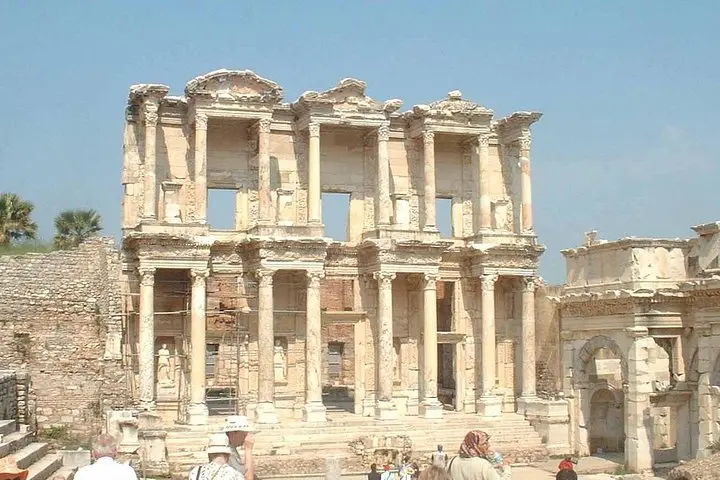
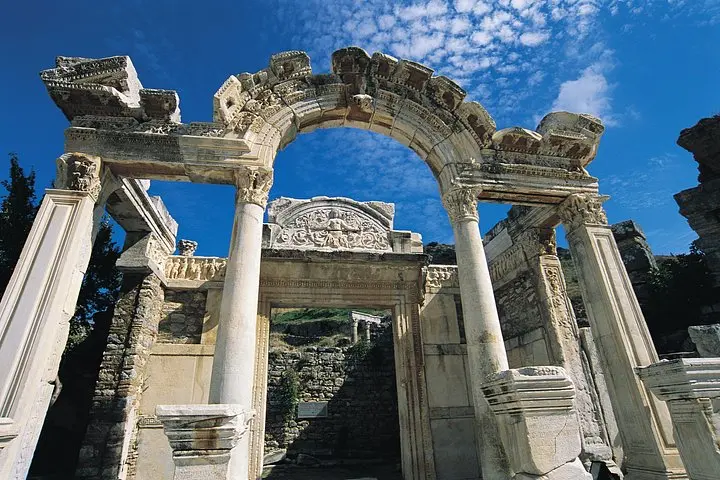
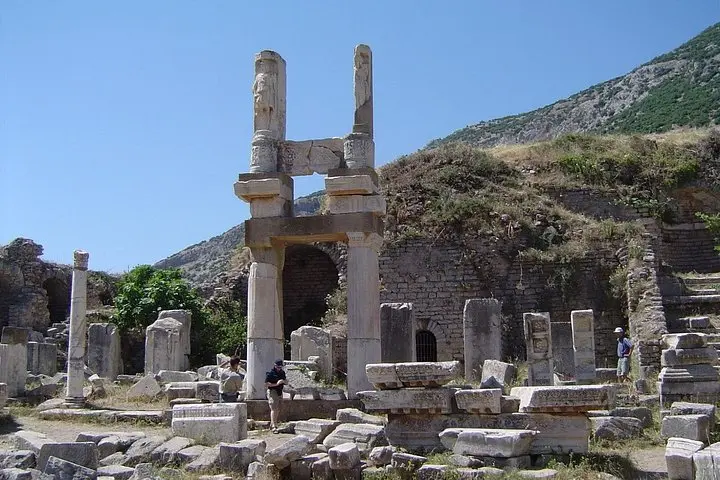
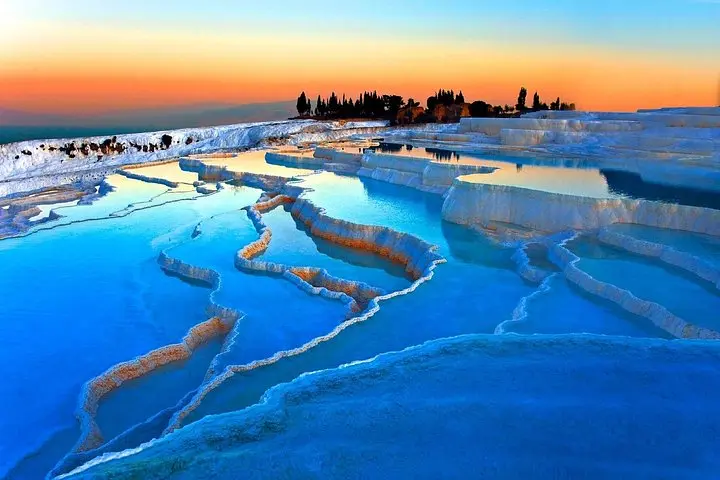
You arrive early in Aegean light, air smelling faintly of sea and citrus, stepping from a minivan onto marble streets walked by Romans two millennia ago. The first day moves from the stone ramp of Ephesus — broad colonnades, the Celsus façade, weathered theatre seating — into quieter pilgrimage at the House of the Virgin and Saint John’s church. The next morning the road pushes inland for about three hours (≈190 km) to Pamukkale, where white travertine terraces spill down a hillside and warm spring water dares your bare feet.
You arrive early in Aegean light, air smelling faintly of sea and citrus, stepping from a minivan onto marble streets walked by Romans two millennia ago. The first day moves from the stone ramp of Ephesus — broad colonnades, the Celsus façade, weathered theatre seating — into quieter pilgrimage at the House of the Virgin and Saint John’s church. The next morning the road pushes inland for about three hours (≈190 km) to Pamukkale, where white travertine terraces spill down a hillside and warm spring water dares your bare feet.
Ephesus grew into a major Roman port and administrative center; its marble streets and public baths reveal engineering and civic life. Pamukkale’s terraces are chemical architecture: calcium-carbonate–rich springs deposited over millennia to build stepped basins. Nearby Hierapolis began as a Greco-Roman spa town; its necropolis and theatre show burial and performance practices layered on geothermal geology.
Culture here is direct — local guides weave myth and history while village markets near Selçuk and the hill village of Şirince offer small-batch olive oil and fruit wines. Practically, expect 2–4 km of on-site walking at Ephesus on uneven stone and stairs; Pamukkale involves shorter, slippery travertine strolls, often barefoot, with the archaeological area sitting roughly 300–400 m above sea level.
Plan for sun, water, and steady shoes for transfers; keep a small bag for shoes at Pamukkale. Tours include domestic flights, transfers, and most entrances, but carry local cash for small vendors and tips. Time your visit early or late in the day to avoid the peak heat and cruise crowds.