THE ADVENTURE COLLECTIVE® · Independent discovery and booking for outdoor travel

Experience the raw thrill of Mount Kilimanjaro on the 7-day Machame Route trek. Trek through rainforest, moorland, and alpine deserts before reaching Africa’s highest summit, each day bringing unique landscapes and the challenge of high-altitude hiking.
Experience the raw thrill of Mount Kilimanjaro on the 7-day Machame Route trek. Trek through rainforest, moorland, and alpine deserts before reaching Africa’s highest summit, each day bringing unique landscapes and the challenge of high-altitude hiking.
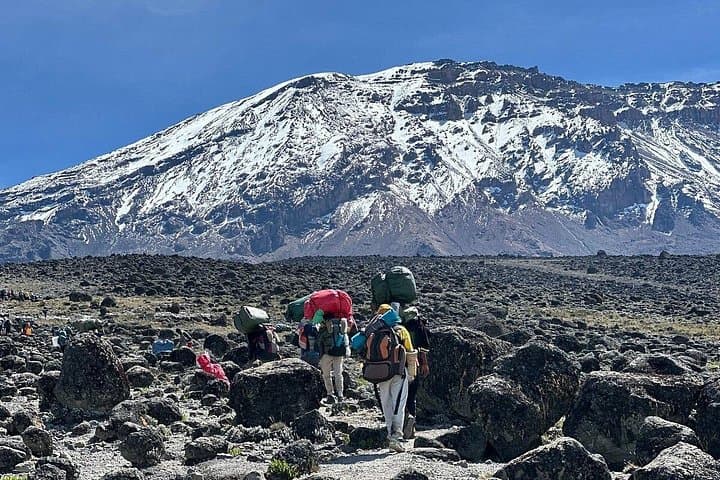
Dominating Tanzania’s skyline, Mount Kilimanjaro offers more than a summit; it challenges every sense. The Machame Route, stretching roughly 62 kilometers, invites trekkers on a journey through shifting landscapes—from lush rainforests clinging to steep slopes to alpine moorlands and finally the stark beauty of an arctic summit. This seven-day trek is a step-by-step immersion into one of Africa's most iconic climbs, demanding physical grit and rewarding with views few will ever witness.
Verified experiences and guided adventures in the surrounding area.
Operated by Kiwoito Africa Safaris · Moshi, Kilimanjaro Region
Dominating Tanzania’s skyline, Mount Kilimanjaro offers more than a summit; it challenges every sense. The Machame Route, stretching roughly 62 kilometers, invites trekkers on a journey through shifting landscapes—from lush rainforests clinging to steep slopes to alpine moorlands and finally the stark beauty of an arctic summit. This seven-day trek is a step-by-step immersion into one of Africa's most iconic climbs, demanding physical grit and rewarding with views few will ever witness.
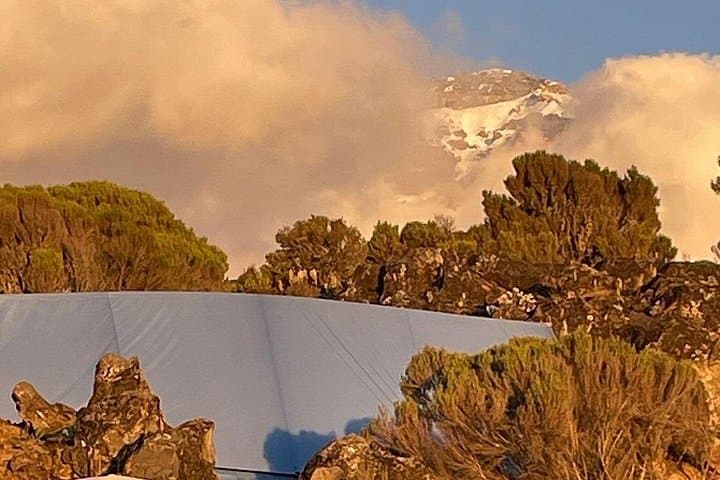
Starting near Moshi, at Machame Gate (1,800 meters), the trail winds through thick montane forest where the canopy filters dappled sunlight and the air hums with the calls of colobus monkeys. As the forest gives way, the ground becomes a mosaic of heathland and moor, offering sweeping panoramas over the Shira Plateau. The shifting vegetation mirrors Kilimanjaro’s geological tale—a dormant volcano raised by tectonic upheaval and sculpted by glaciers long vanished.
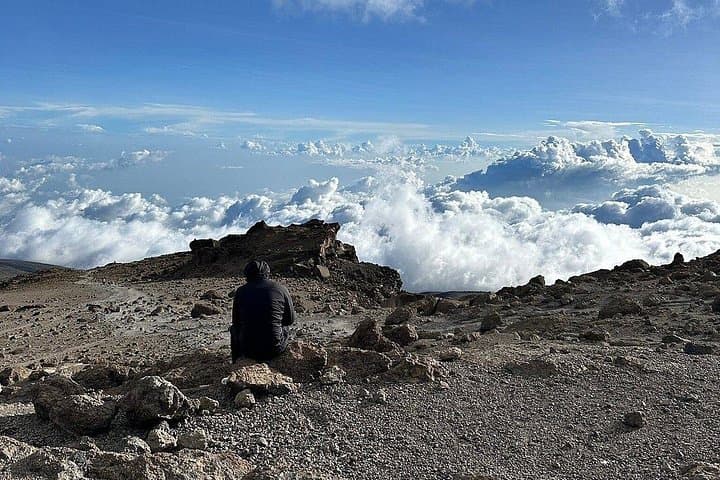
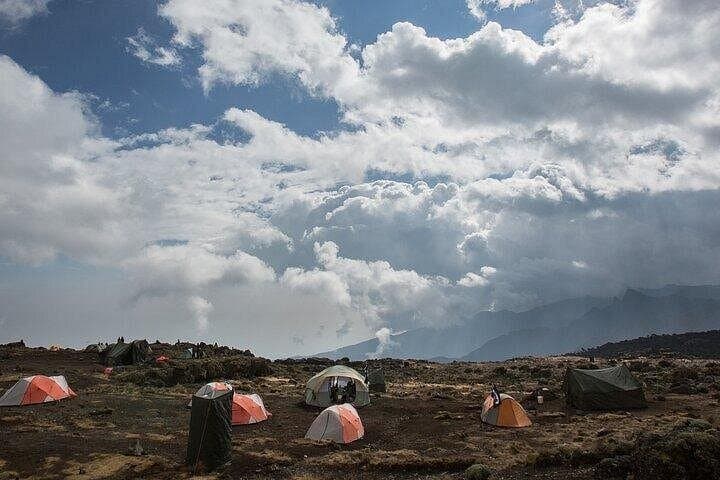
Each day unfolds a new ecosystem and increasing altitude. Campsites like Machame, Shira, and Barranco punctuate the path, combining rugged tent life with the comfort of communal meals fueling climbers through growing fatigue. The route challenges hikers with steep ascents, especially the Barranco Wall scramble, demanding careful pacing and basic scrambling skills. The summit push begins in the dead of night, a controlled crawl above 5,000 meters where the thin air dares your lungs, culminating in the breathtaking sunrise at Uhuru Peak, Africa’s highest point.
The Machame's tortuous ascent gives a meaningful chance to acclimate and adapt. Local guides share stories rich in Chagga culture and mountain lore, providing cultural context that enriches the experience. They also ensure safety and the ethical treatment of the fragile environment—an essential consideration as foot traffic on Kilimanjaro rises.
For those planning this adventure, fitness is a must: moderate to high endurance with some trekking experience. Days average 4–8 hours of hiking on varied terrain ranging from soft forest paths to loose scree near the summit, with daily elevation gains of 300 to 850 meters. Gear should be layered and prepared for extremes—mornings can be temperate, but summit nights plunge below freezing.
Hydration and nutrition are critical, making use of provided meals and carrying water, while trekking poles and gaiters ease uneven ground. The best windows for this trek are January through March or June through October, when weather conditions stabilize.
Camping under Kilimanjaro’s expansive sky ties travelers to the raw pulse of the mountain—quiet, formidable, and always testing. The Machame Route is not simply a hike; it’s an expedition into Africa’s wilderness, where every step is a conversation with land, history, and self.
The Machame Route is steeper and longer than the Marangu Route and requires camping, making it more physically demanding but offering better acclimatization and more scenic variety.
No technical climbing skills are required, but a moderate to high fitness level and some hiking experience are recommended due to the altitude and terrain challenges.
January to March and June to October offer the most stable weather conditions for trekking Kilimanjaro.
Campsites provide basic tent accommodations with communal mess tents; there are pit toilets but no showers.
Yes, altitude sickness is common; it’s important to ascend slowly, stay hydrated, and follow your guide’s advice on acclimatization.
Breakfast, lunch, and dinner are included each day, designed to keep you fueled and hydrated during the ascent.
Kiwoito Africa Safaris operates guided outdoor trips and adventures with an emphasis on safety, stewardship, and memorable experiences.
Dominating Tanzania’s skyline, Mount Kilimanjaro offers more than a summit; it challenges every sense. The Machame Route, stretching roughly 62 kilometers, invites trekkers on a journey through shifting landscapes—from lush rainforests clinging to steep slopes to alpine moorlands and finally the stark beauty of an arctic summit. This seven-day trek is a step-by-step immersion into one of Africa's most iconic climbs, demanding physical grit and rewarding with views few will ever witness.
Dominating Tanzania’s skyline, Mount Kilimanjaro offers more than a summit; it challenges every sense. The Machame Route, stretching roughly 62 kilometers, invites trekkers on a journey through shifting landscapes—from lush rainforests clinging to steep slopes to alpine moorlands and finally the stark beauty of an arctic summit. This seven-day trek is a step-by-step immersion into one of Africa's most iconic climbs, demanding physical grit and rewarding with views few will ever witness.
Starting near Moshi, at Machame Gate (1,800 meters), the trail winds through thick montane forest where the canopy filters dappled sunlight and the air hums with the calls of colobus monkeys. As the forest gives way, the ground becomes a mosaic of heathland and moor, offering sweeping panoramas over the Shira Plateau. The shifting vegetation mirrors Kilimanjaro’s geological tale—a dormant volcano raised by tectonic upheaval and sculpted by glaciers long vanished.
Each day unfolds a new ecosystem and increasing altitude. Campsites like Machame, Shira, and Barranco punctuate the path, combining rugged tent life with the comfort of communal meals fueling climbers through growing fatigue. The route challenges hikers with steep ascents, especially the Barranco Wall scramble, demanding careful pacing and basic scrambling skills. The summit push begins in the dead of night, a controlled crawl above 5,000 meters where the thin air dares your lungs, culminating in the breathtaking sunrise at Uhuru Peak, Africa’s highest point.
The Machame's tortuous ascent gives a meaningful chance to acclimate and adapt. Local guides share stories rich in Chagga culture and mountain lore, providing cultural context that enriches the experience. They also ensure safety and the ethical treatment of the fragile environment—an essential consideration as foot traffic on Kilimanjaro rises.
For those planning this adventure, fitness is a must: moderate to high endurance with some trekking experience. Days average 4–8 hours of hiking on varied terrain ranging from soft forest paths to loose scree near the summit, with daily elevation gains of 300 to 850 meters. Gear should be layered and prepared for extremes—mornings can be temperate, but summit nights plunge below freezing.
Hydration and nutrition are critical, making use of provided meals and carrying water, while trekking poles and gaiters ease uneven ground. The best windows for this trek are January through March or June through October, when weather conditions stabilize.
Camping under Kilimanjaro’s expansive sky ties travelers to the raw pulse of the mountain—quiet, formidable, and always testing. The Machame Route is not simply a hike; it’s an expedition into Africa’s wilderness, where every step is a conversation with land, history, and self.