THE ADVENTURE COLLECTIVE® · Independent discovery and booking for outdoor travel

A ten-day guided traverse of Torres del Paine’s iconic ‘W’ — from the laddered approach to Las Torres to the wind-scoured Grey Glacier. This route mixes long days on variable terrain with nights in refugios and camps, offering some of Patagonia’s most arresting alpine scenery.
A ten-day guided traverse of Torres del Paine’s iconic ‘W’ — from the laddered approach to Las Torres to the wind-scoured Grey Glacier. This route mixes long days on variable terrain with nights in refugios and camps, offering some of Patagonia’s most arresting alpine scenery.
On the trailhead at dawn, wind ghosts across the steppe and the three granite towers of Torres del Paine catch the first thin light like knives. Hikers shoulder daypacks andcamouflage their breath with cloud as they push through lenga forest, the trees thinning into scree and then an emerald lagoon that mirrors the towers. The route reads like a textbook of Patagonia: open pampas, ancient beech, serrated granite, and a slow-moving blue of Grey Glacier that grinds the horizon.
Verified experiences and guided adventures in the surrounding area.
Operated by OneSeed Expeditions · Puerto Natales, Magallanes
On the trailhead at dawn, wind ghosts across the steppe and the three granite towers of Torres del Paine catch the first thin light like knives. Hikers shoulder daypacks andcamouflage their breath with cloud as they push through lenga forest, the trees thinning into scree and then an emerald lagoon that mirrors the towers. The route reads like a textbook of Patagonia: open pampas, ancient beech, serrated granite, and a slow-moving blue of Grey Glacier that grinds the horizon.
The ‘W’ traces the park’s most dramatic features in roughly ten days: the climb to Base of the Towers (about 19 km / 12 miles with 600 m elevation gain), the saddle-lined approach through Los Cuernos, a high traverse into the French Valley, and the lakeside march to Grey Glacier. The landscape is young in geological terms — the Paine Massif rose in pulses of tectonic force and igneous intrusion, then was sculpted by repeated glaciations; the result is abrupt rock faces and bowl-shaped valleys funneling wind and light in theatrical ways.
Indigenous Kawésqar and Tehuelche peoples once ranged these plains; European settlers later brought sheep that shaped the grasslands. The park itself was established mid-20th century and now balances recreation with fragile ecosystems: glaciers receding, guanaco herds shifting grazing patterns, and trails tightened to reduce impact.
Practical notes: this itinerary is a multi-day guided trek with airport transfers from Santiago and Punta Arenas included on scheduled days, refugios and some camping supplied, and park fees covered. Expect long hiking days—most range from 4–12 hours on mixed terrain: packed trail, boardwalks, rocky ascents and glacier-proximal shorelines. Weather is the rule-maker here: wind can gust over 100 kph; layers and waterproofs are non-negotiable. Hydration and calorie-dense snacks matter—cold suppresses appetite but not exertion.
Guides will manage heavy logistics but personal gear should be optimized for mobility: a 30–50 L daypack for summit days, reliable boots for scree and wet boardwalks, and an insulated jacket for evenings. Take time at viewpoints—early morning at the Base of the Towers often yields the best reflections on the lake; late afternoon softens the massif for photography. If planning side excursions (ice hiking, kayak on Grey Lake), book in advance; third-party outfitters require reservations.
Leave no trace: stick to marked routes, pack out waste, and respect refugio quiet hours. For those fit enough for long days and variable weather, the W delivers classic Patagonian drama — sharp peaks, glacier blues, and a tangible sense of moving through an active, evolving landscape.
Moderate multi-day backpacking experience is recommended; the itinerary includes long days and varied terrain, though guides handle route-finding and logistics.
Yes—trekking permits and national park entry fees are included in the trip package.
Participants should have good cardiovascular fitness and be comfortable hiking 6–12 hours with climbs up to ~600 m in a day.
Accommodations alternate between refugios (shared rooms and bathrooms) and camping; the operator may adjust based on availability.
Weather can change rapidly—strong winds, rain, and sun are common. Guides adapt the itinerary for safety but expect challenging conditions.
Yes—those activities are optional with third-party outfitters and should be reserved in advance as spots are limited.
OneSeed Expeditions operates guided outdoor trips and adventures with an emphasis on safety, stewardship, and memorable experiences.
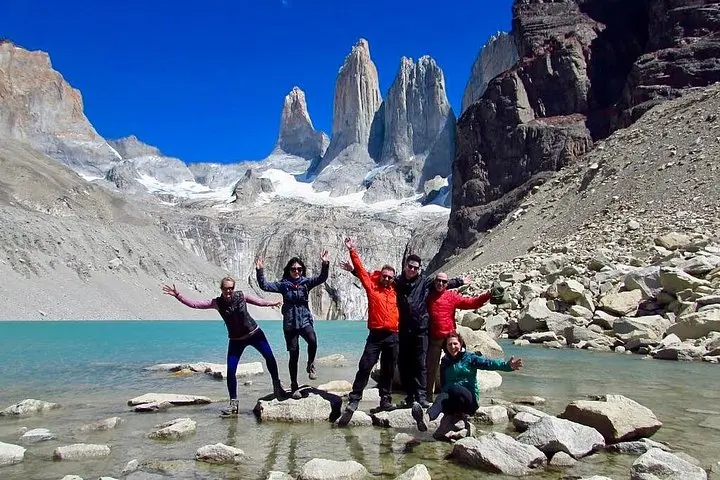
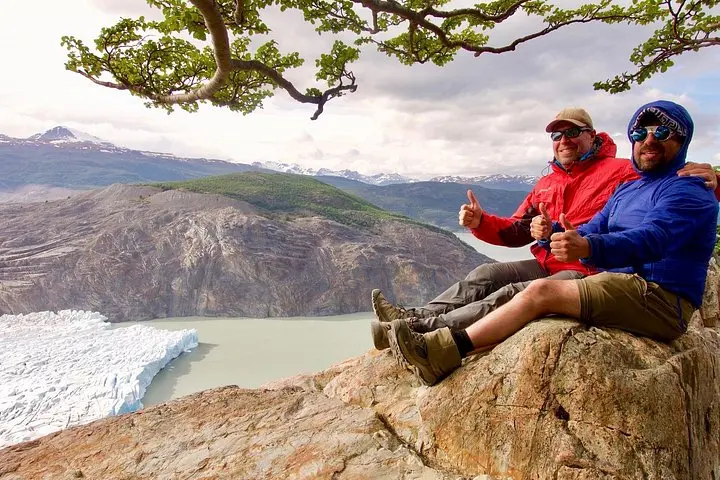
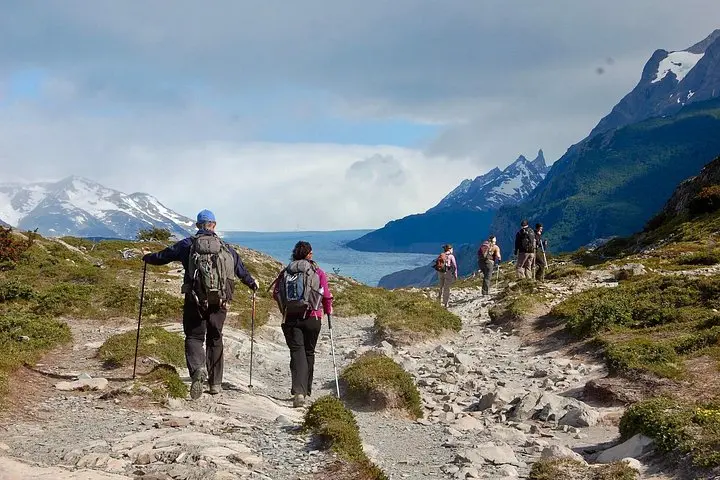
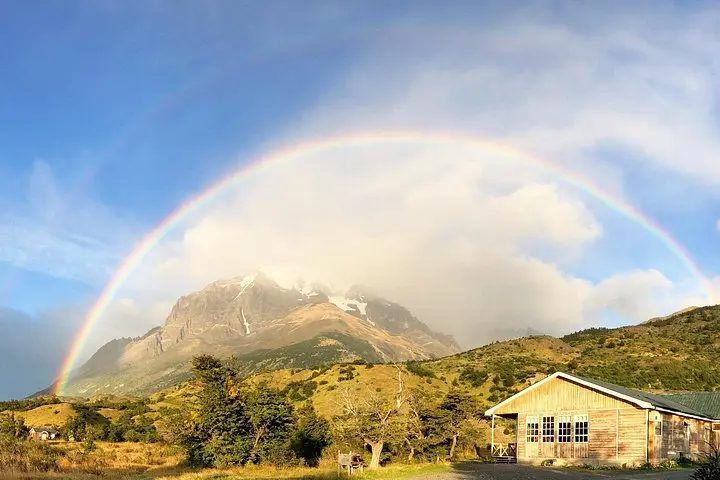
On the trailhead at dawn, wind ghosts across the steppe and the three granite towers of Torres del Paine catch the first thin light like knives. Hikers shoulder daypacks andcamouflage their breath with cloud as they push through lenga forest, the trees thinning into scree and then an emerald lagoon that mirrors the towers. The route reads like a textbook of Patagonia: open pampas, ancient beech, serrated granite, and a slow-moving blue of Grey Glacier that grinds the horizon.
On the trailhead at dawn, wind ghosts across the steppe and the three granite towers of Torres del Paine catch the first thin light like knives. Hikers shoulder daypacks andcamouflage their breath with cloud as they push through lenga forest, the trees thinning into scree and then an emerald lagoon that mirrors the towers. The route reads like a textbook of Patagonia: open pampas, ancient beech, serrated granite, and a slow-moving blue of Grey Glacier that grinds the horizon.
The ‘W’ traces the park’s most dramatic features in roughly ten days: the climb to Base of the Towers (about 19 km / 12 miles with 600 m elevation gain), the saddle-lined approach through Los Cuernos, a high traverse into the French Valley, and the lakeside march to Grey Glacier. The landscape is young in geological terms — the Paine Massif rose in pulses of tectonic force and igneous intrusion, then was sculpted by repeated glaciations; the result is abrupt rock faces and bowl-shaped valleys funneling wind and light in theatrical ways.
Indigenous Kawésqar and Tehuelche peoples once ranged these plains; European settlers later brought sheep that shaped the grasslands. The park itself was established mid-20th century and now balances recreation with fragile ecosystems: glaciers receding, guanaco herds shifting grazing patterns, and trails tightened to reduce impact.
Practical notes: this itinerary is a multi-day guided trek with airport transfers from Santiago and Punta Arenas included on scheduled days, refugios and some camping supplied, and park fees covered. Expect long hiking days—most range from 4–12 hours on mixed terrain: packed trail, boardwalks, rocky ascents and glacier-proximal shorelines. Weather is the rule-maker here: wind can gust over 100 kph; layers and waterproofs are non-negotiable. Hydration and calorie-dense snacks matter—cold suppresses appetite but not exertion.
Guides will manage heavy logistics but personal gear should be optimized for mobility: a 30–50 L daypack for summit days, reliable boots for scree and wet boardwalks, and an insulated jacket for evenings. Take time at viewpoints—early morning at the Base of the Towers often yields the best reflections on the lake; late afternoon softens the massif for photography. If planning side excursions (ice hiking, kayak on Grey Lake), book in advance; third-party outfitters require reservations.
Leave no trace: stick to marked routes, pack out waste, and respect refugio quiet hours. For those fit enough for long days and variable weather, the W delivers classic Patagonian drama — sharp peaks, glacier blues, and a tangible sense of moving through an active, evolving landscape.