THE ADVENTURE COLLECTIVE® · Independent discovery and booking for outdoor travel

Pedal along Cartagena Bay at sunset, then cruise into Getsemaní to see its thriving mural scene. This two-hour guided ride mixes coastal views, local stories and easy urban cycling.
Pedal along Cartagena Bay at sunset, then cruise into Getsemaní to see its thriving mural scene. This two-hour guided ride mixes coastal views, local stories and easy urban cycling.
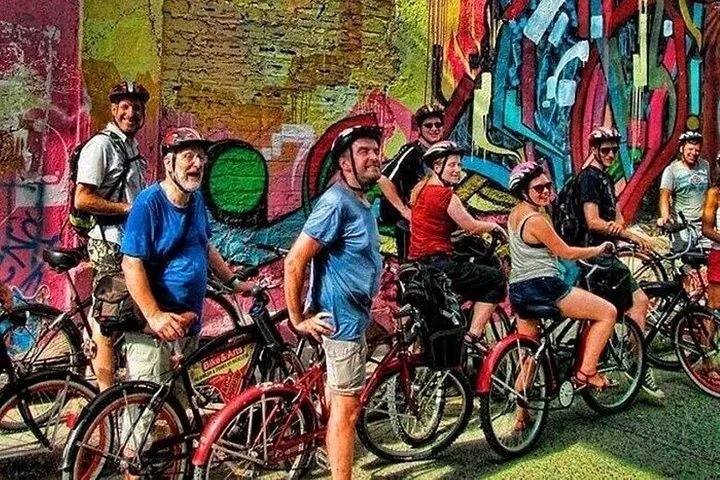
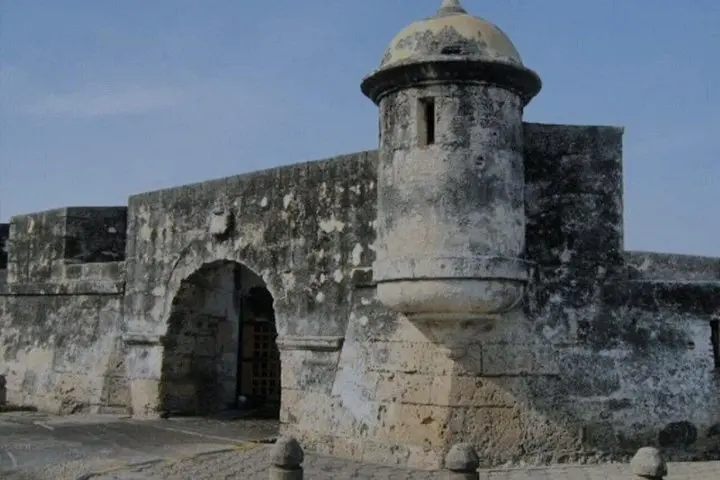
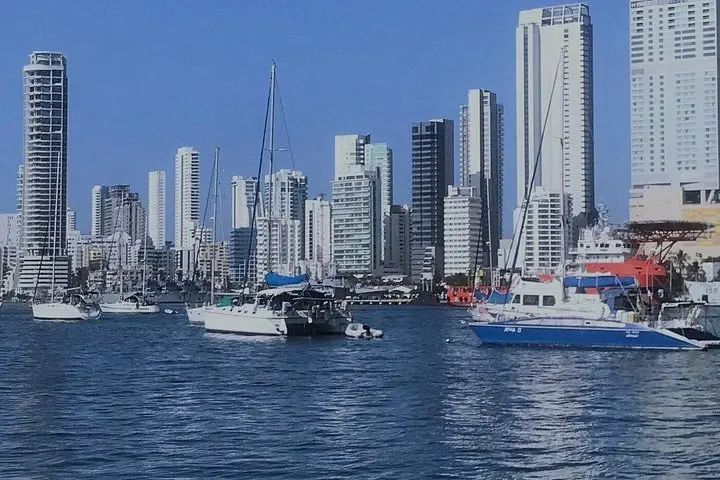
The sun slides west over Cartagena Bay and the sea breathes a cool, saline pulse as you push off on two wheels. Pedaling along the waterfront, the silhouetted outline of Fort San Sebastián del Pastelillo looms to starboard while local fishermen untangle nets below; behind you, Getsemaní’s painted blocks begin to glow under street lamps. The ride stitches a coastal promenade to a neighborhood where murals argue with history in loud color.
Verified experiences and guided adventures in the surrounding area.
Operated by Luz Angelica Gomez · Cartagena, Bolívar
The sun slides west over Cartagena Bay and the sea breathes a cool, saline pulse as you push off on two wheels. Pedaling along the waterfront, the silhouetted outline of Fort San Sebastián del Pastelillo looms to starboard while local fishermen untangle nets below; behind you, Getsemaní’s painted blocks begin to glow under street lamps. The ride stitches a coastal promenade to a neighborhood where murals argue with history in loud color.
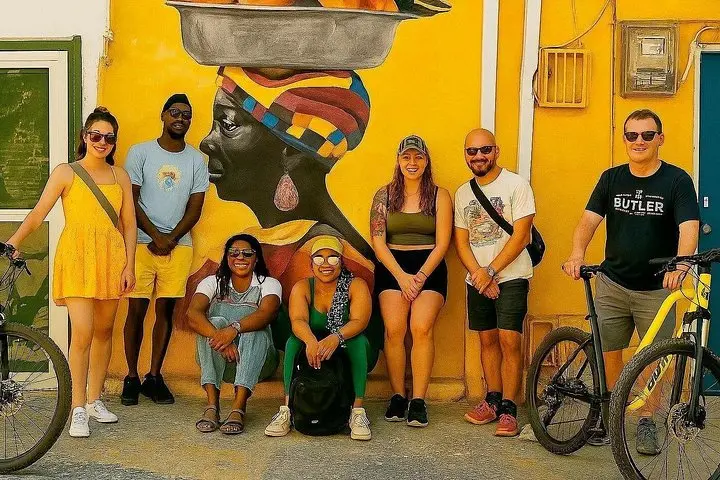
Cartagena’s walls are the product of colonial fortification and Caribbean trade—masonry shaped by Spanish military engineers and a coastline carved by tidal currents, not mountains. Getsemaní, historically a working-class barrio, has become a living gallery where street art chronicles social change, Afro-Caribbean rhythms and everyday life.
Expect roughly 6–10 km of mostly flat, urban pavement with short stretches of uneven cobbles in Getsemaní; elevation gain is negligible but watch for traffic and pedestrian crowds at sunset. Guides typically supply mountain bikes and bottled water; pace is relaxed and photo stops frequent. Wear closed-toe shoes, sunscreen and bring a light layer for the breeze off the bay. Timing matters—arrive 20 minutes early to adjust your bike and catch the best light.
This two-hour spin is equal parts sightseeing and low-impact cardio: cultural context from a local guide, postcard views of the Caribbean, and a front-row seat to Cartagena’s evening shift. For a short window of light and heat, the city dares you to move fast enough to feel alive, and slow enough to notice every mural.
Guides commonly provide helmets with the bike rental; confirm at booking if you require a specific size.
Yes—the route is mostly flat and guided, intended for riders of all experience levels; reasonable balance and confidence on city streets are recommended.
The tour lasts about two hours and covers approximately 6–10 km of paved roads and short cobbled sections in Getsemaní with negligible elevation change.
Tours are usually offered in Spanish and English; check availability when booking if you need a particular language.
Luz Angelica Gomez operates guided outdoor trips and adventures with an emphasis on safety, stewardship, and memorable experiences.
The sun slides west over Cartagena Bay and the sea breathes a cool, saline pulse as you push off on two wheels. Pedaling along the waterfront, the silhouetted outline of Fort San Sebastián del Pastelillo looms to starboard while local fishermen untangle nets below; behind you, Getsemaní’s painted blocks begin to glow under street lamps. The ride stitches a coastal promenade to a neighborhood where murals argue with history in loud color.
The sun slides west over Cartagena Bay and the sea breathes a cool, saline pulse as you push off on two wheels. Pedaling along the waterfront, the silhouetted outline of Fort San Sebastián del Pastelillo looms to starboard while local fishermen untangle nets below; behind you, Getsemaní’s painted blocks begin to glow under street lamps. The ride stitches a coastal promenade to a neighborhood where murals argue with history in loud color.
Cartagena’s walls are the product of colonial fortification and Caribbean trade—masonry shaped by Spanish military engineers and a coastline carved by tidal currents, not mountains. Getsemaní, historically a working-class barrio, has become a living gallery where street art chronicles social change, Afro-Caribbean rhythms and everyday life.
Expect roughly 6–10 km of mostly flat, urban pavement with short stretches of uneven cobbles in Getsemaní; elevation gain is negligible but watch for traffic and pedestrian crowds at sunset. Guides typically supply mountain bikes and bottled water; pace is relaxed and photo stops frequent. Wear closed-toe shoes, sunscreen and bring a light layer for the breeze off the bay. Timing matters—arrive 20 minutes early to adjust your bike and catch the best light.
This two-hour spin is equal parts sightseeing and low-impact cardio: cultural context from a local guide, postcard views of the Caribbean, and a front-row seat to Cartagena’s evening shift. For a short window of light and heat, the city dares you to move fast enough to feel alive, and slow enough to notice every mural.